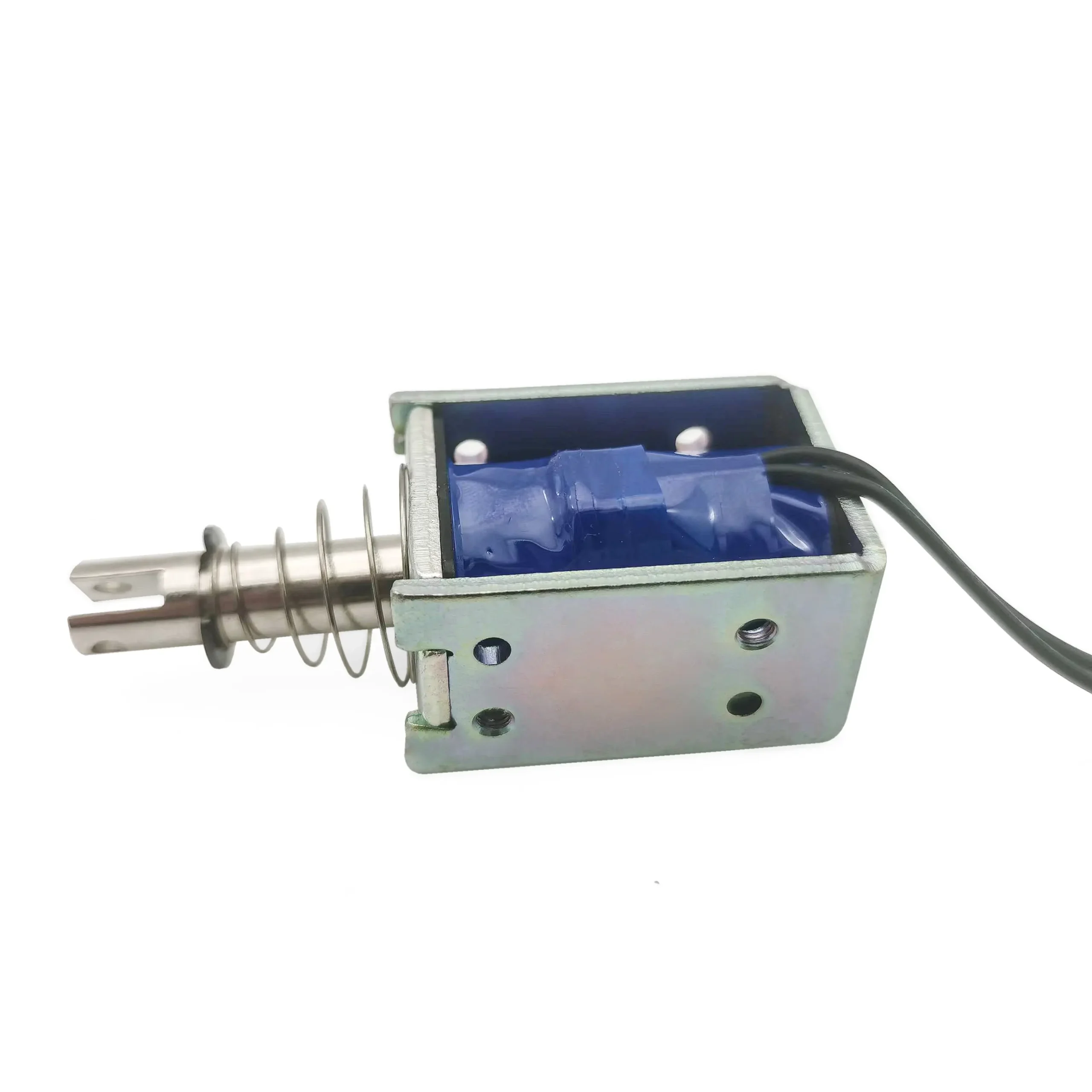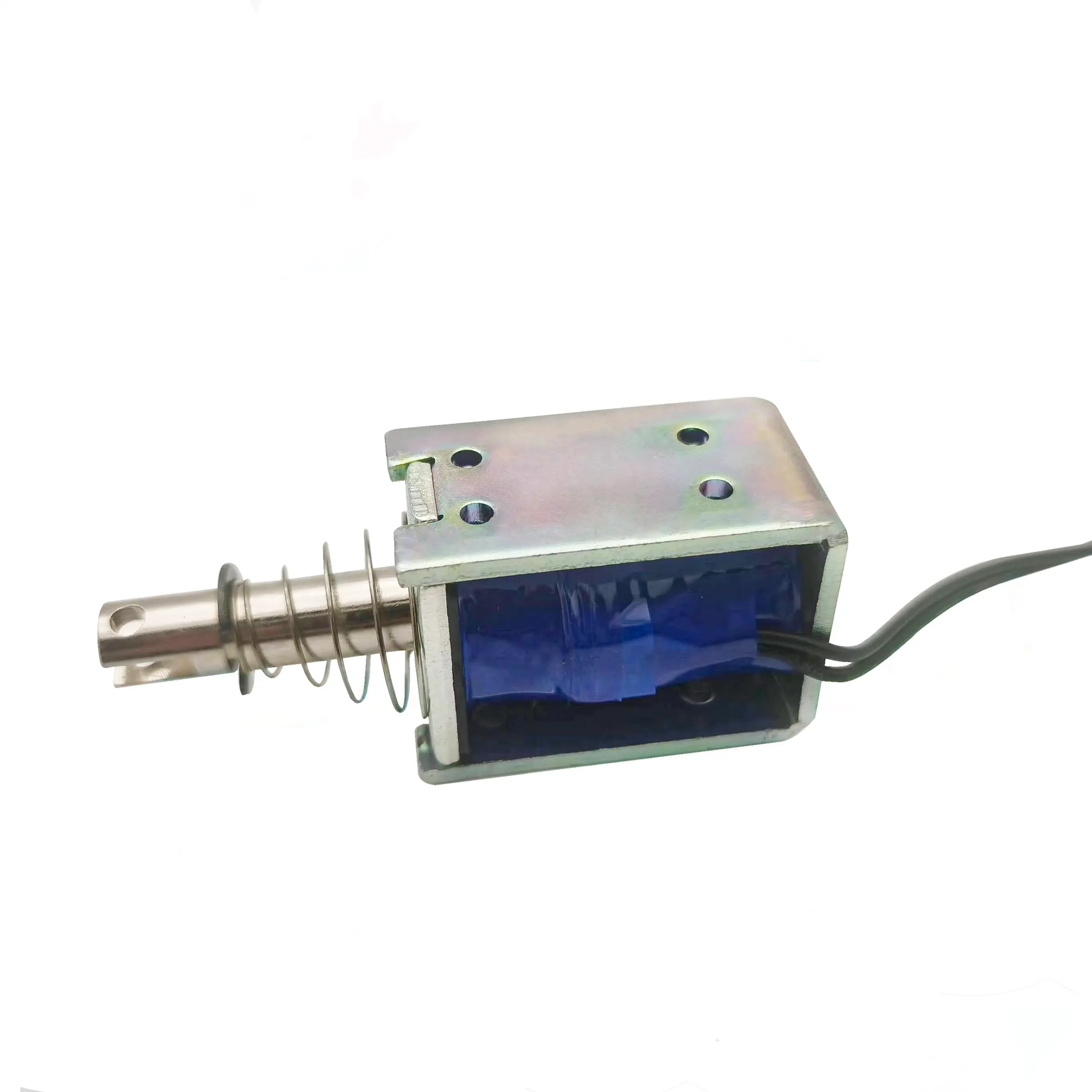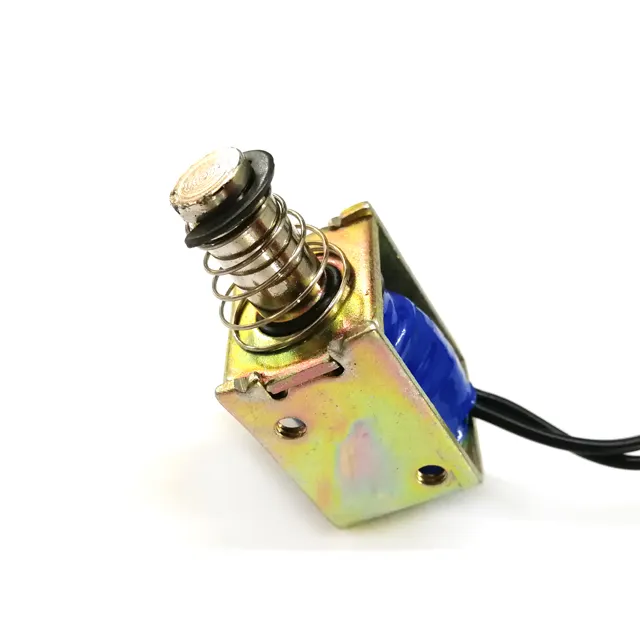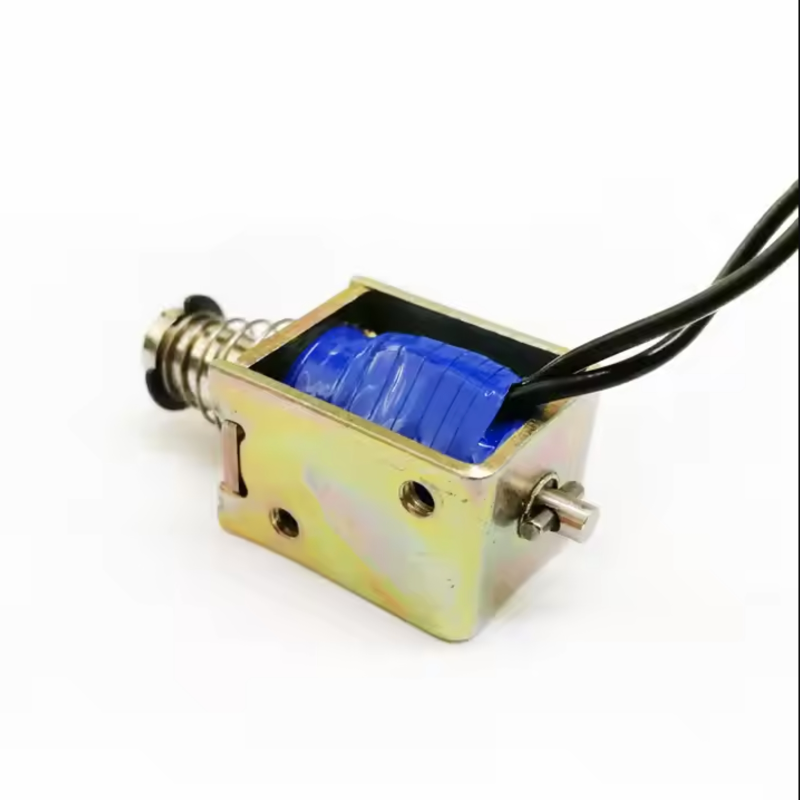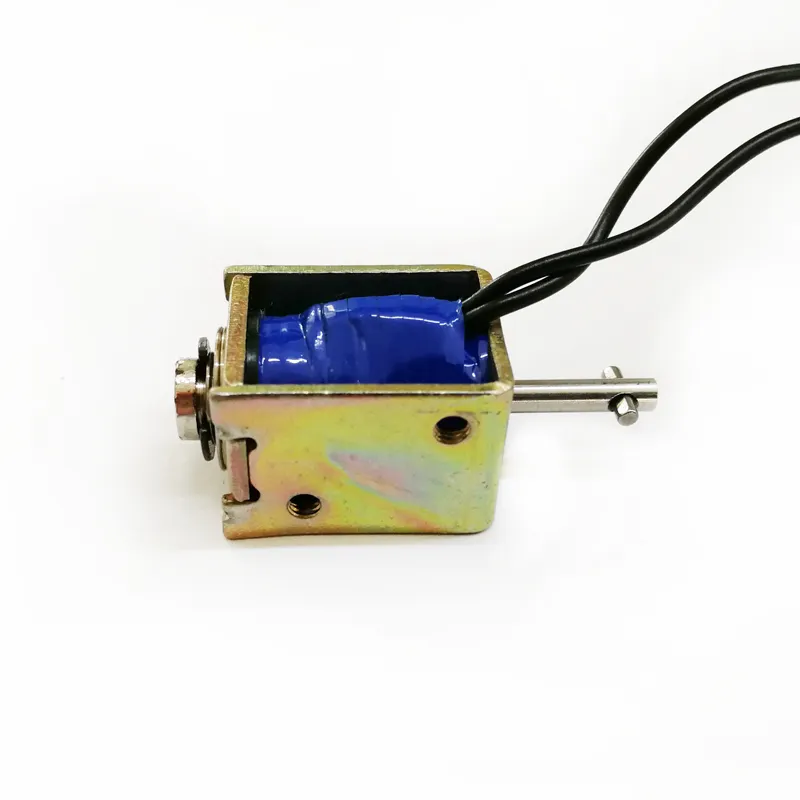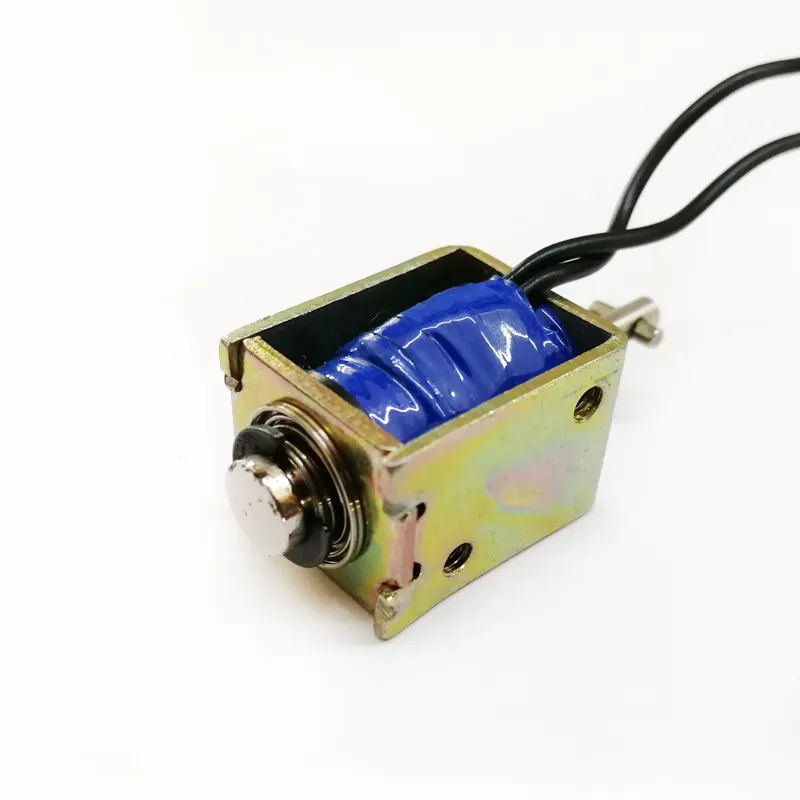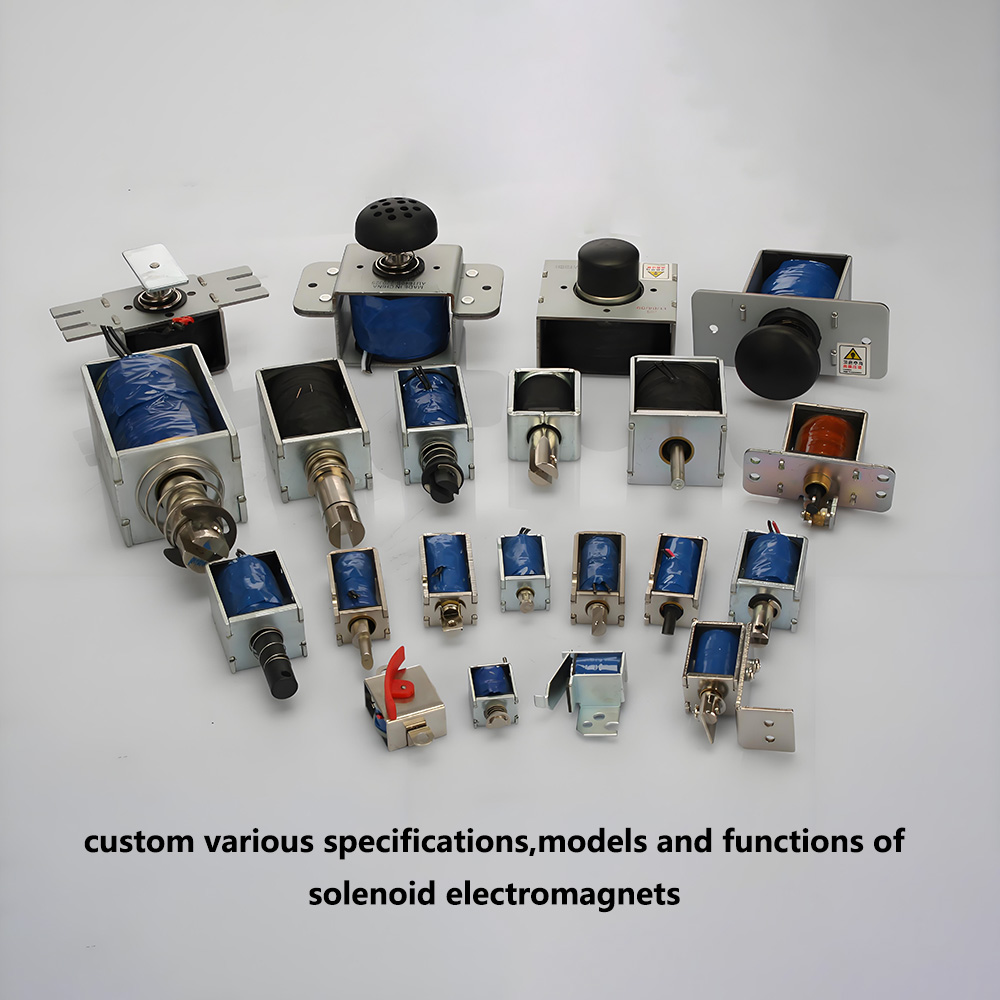










The Complete Engineering Guide to Evaluating a Solenoid Factory Before Starting Your OEM Project
Part 2 – OEM Manufacturing Capability, Supply Chain Management, and Real Customer Case Studies
Continuing from Part 1(Vetting a Chinese Solenoid Factory: Actual Manufacturing Capabilities)
9. OEM & ODM Capability: Can the Solenoid Factory Truly Customize Your Product?
Many suppliers advertise themselves as a custom solenoid manufacturer, but in practice, their customization capability is often limited to modifying existing products. Genuine OEM and ODM manufacturing requires far more than simply changing dimensions or adding a different connector.
A professional завод соленоидов should be able to customize every major aspect of the product, including:
- Magnetic circuit design
- Coil parameters
- Stroke length
- Pull and holding force
- Response time
- Duty cycle
- Plunger geometry
- Housing materials
- Surface treatment
- Waterproof protection
- Connector types
- Mounting structures
- Spring characteristics
- Noise reduction solutions
The earlier the engineering team becomes involved in the project, the more opportunities exist to optimize performance, reduce manufacturing costs, and improve long-term reliability.
Engineering Insight: True customization begins with engineering analysis—not with modifying an existing catalog product.

10. Prototype Development Capability Determines Project Success
For OEM customers, the prototype stage is one of the most critical phases of product development.
An experienced завод электромагнитов follows a structured prototype process instead of relying on trial and error.
Typical Prototype Workflow
- Requirement Analysis
- Electromagnetic Calculation
- Mechanical Design
- 3D CAD Modeling
- FEA Simulation
- Prototype Manufacturing
- Performance Testing
- Customer Validation
- Engineering Optimization
- Small-Batch Pilot Production
Each iteration provides valuable data that reduces technical risks before mass production begins.
Table 3. Typical Prototype Timeline
| Stage | Typical Duration |
|---|---|
| Engineering Review | 2–3 Days |
| Design & Simulation | 3–7 Days |
| Prototype Manufacturing | 7–10 Days |
| Functional Testing | 2–5 Days |
| Customer Evaluation | 1–2 Weeks |
Professional project management during this stage often saves months of development time later.
11. Supply Chain Management: The Hidden Strength of a Reliable Solenoid Factory
Many OEM buyers focus on the factory itself while overlooking its upstream supply chain.
In reality, a China solenoid manufacturer is only as strong as its suppliers.
Critical components include:
- Copper magnet wire
- Soft magnetic materials
- Stainless steel
- Precision springs
- Insulation materials
- Connectors
- Surface treatment services
A mature завод соленоидов maintains qualified suppliers, conducts regular audits, and implements incoming quality inspections to ensure stable production.
Benefits of a Strong Supply Chain
- Stable raw material quality
- Reduced lead time
- Better cost control
- Lower inventory risks
- Faster engineering changes
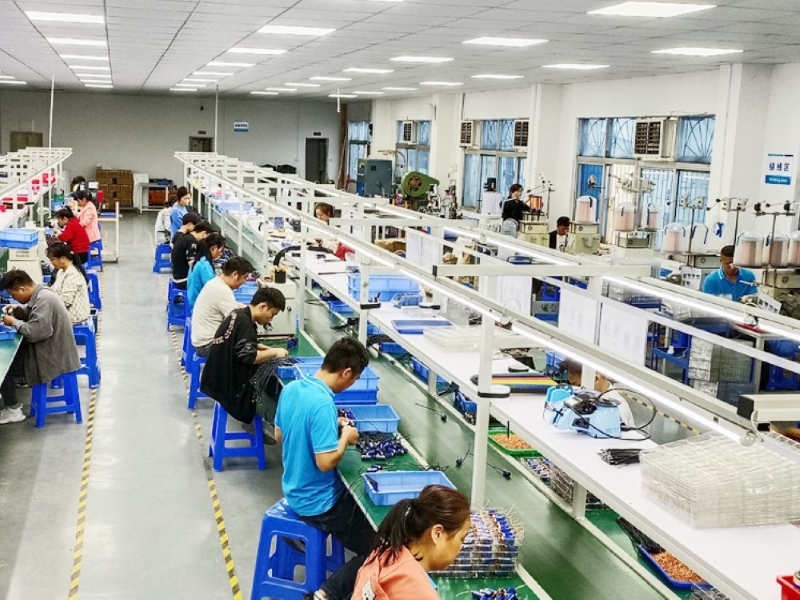
12. Production Capacity: Can the Factory Scale with Your Business?
Many suppliers perform well during sampling but struggle when demand increases.
Before selecting a custom solenoid manufacturer, evaluate:
- Monthly production capacity
- Number of assembly lines
- Equipment utilization
- Workforce stability
- Peak production capability
- Inventory management
- Expansion plans
A factory that can produce 5,000 units per month may not be able to support future orders of 200,000 units.
Table 4. Capacity Evaluation Checklist
| Evaluation Item | Why It Matters |
|---|---|
| Monthly Capacity | Supports long-term growth |
| Automation Level | Improves consistency |
| Production Lines | Increases flexibility |
| Warehouse Capacity | Ensures inventory stability |
| Equipment Redundancy | Reduces production risk |
13. Manufacturing Consistency Is More Important Than Peak Output
Many factories emphasize maximum production capacity.
However, OEM customers should prioritize production consistency.
Questions to ask include:
- Does pull force remain consistent across production batches?
- Is coil resistance tightly controlled?
- Are dimensional tolerances stable?
- Are assembly processes standardized?
- Are operators regularly trained?
Consistent quality reduces warranty costs and protects your brand reputation.
14. Case Study: Smart Lock Solenoid Development
Customer Background
A European smart lock manufacturer required a compact actuator capable of operating reliably in outdoor environments.
Challenges
- Fast response
- Low power consumption
- High corrosion resistance
- Five million operating cycles
SF Engineering Solution
Our engineering team redesigned the product by:
- Optimizing the magnetic circuit
- Selecting high-purity soft iron
- Applying electroless nickel plating
- Improving guide clearance
- Recommending a peak-and-hold drive circuit
Results
| Performance | Original | SF Design |
|---|---|---|
| Response Time | 21 ms | 13 ms |
| Service Life | 1 Million Cycles | 5 Million+ |
| Operating Noise | Moderate | Very Low |
| Повышение температуры | High | Reduced |
The customer successfully adopted the customized solution for mass production.
15. Case Study: Coffee Machine Solenoid Valve
A premium coffee machine brand experienced inconsistent valve operation after prolonged exposure to hot water and steam.
Problems
- Valve sticking
- Increased friction
- Corrosion
- Slow response
SF Improvements
- Optimized plunger design
- Electroless nickel surface treatment
- Improved sealing structure
- Moisture-resistant lubrication
- Enhanced manufacturing tolerances
Outcome
- Faster valve response
- Improved brewing consistency
- Longer service life
- Reduced maintenance costs
16. Case Study: Automotive Electronic Actuator
An automotive customer required a customized electromagnet solenoid for an electronic control module.
Requirements included:
- Operating temperature from -40°C to +125°C
- High vibration resistance
- Long service life
- Consistent response under voltage fluctuations
SF Engineering Support
- FEA electromagnetic simulation
- Thermal analysis
- Material optimization
- Precision machining
- Accelerated lifecycle testing
Project Results
- Stable performance under harsh environments
- Lower energy consumption
- Improved manufacturing yield
- Successful mass production
17. Case Study: Medical Equipment Solenoid
A medical device manufacturer required an extremely quiet actuator with highly repeatable movement.
Design Priorities
- Low noise
- Precise positioning
- Long operating life
- Stable response
SF Solution
- Precision ground plunger
- Electroless nickel plating
- PTFE dry-film lubrication
- Tight manufacturing tolerances
- 100% functional testing
The final product achieved consistent performance suitable for high-precision medical applications.
18. Lead Time Management: A Competitive Advantage
Fast delivery is valuable—but predictable delivery is even more important.
Professional solenoid factories use structured production planning to balance capacity, inventory, and customer priorities.
Key practices include:
- Material forecasting
- Production scheduling
- Safety stock management
- ERP-based order tracking
- Real-time production monitoring
These systems help ensure on-time delivery even during periods of high demand.
Key Takeaway: Reliable lead times strengthen your own supply chain and reduce production interruptions.
19. Engineering Checklist for Auditing a Solenoid Factory
Before selecting a supplier, use the following checklist during your factory audit:
Engineering
✔ In-house design engineers
✔ Electromagnetic simulation capability
✔ CAD/3D modeling
✔ Prototype development process
Производство
✔ CNC machining
✔ Automated coil winding
✔ Precision assembly
✔ Surface treatment control
Quality
✔ Incoming material inspection
✔ Pull force testing
✔ Temperature rise testing
✔ Lifecycle testing
✔ Salt spray testing
Project Management
✔ Dedicated project engineers
✔ Engineering change management
✔ Production traceability
✔ Technical documentation
A factory that can confidently demonstrate these capabilities is more likely to become a long-term manufacturing partner rather than just a component supplier.
SF expert suggestions
- True OEM capability extends far beyond modifying standard products; it requires engineering-led customization from concept to mass production.
- A reliable завод соленоидов should have structured prototype development, robust supply chain management, scalable production capacity, and comprehensive quality testing.
- Real-world case studies demonstrate that engineering optimization can significantly improve response time, durability, and energy efficiency.
- Manufacturing consistency, project management, and technical support are just as important as equipment and factory size.
explore part 3
Part 3 will conclude the guide with:
- How to perform a professional factory audit during an on-site visit
- 15 critical questions every OEM buyer should ask before placing an order
- Common red flags that indicate an inexperienced supplier
- Future trends in intelligent solenoid manufacturing and Industry 4.0
- Why global OEM customers choose SF as their preferred завод соленоидов
- A comprehensive FAQ section (20+ questions)
Custom all kinds of electromagnet, contact SF electromagnet factory whatsapp +86 189 0261 1680