









Last Updated on 2025-09-04 by SolenoidFactory
In the vast landscape of electromechanical components, rotary solenoids play a crucial role in numerous applications, from industrial automation to automotive systems. Their ability to convert electrical energy into mechanical rotation makes them indispensable in controlling valves, actuators, and various other mechanisms. However, with the myriad of options available on the market, choosing the right rotary solenoid for your specific application can be a daunting task.
This blog serves as a comprehensive guide, providing insights into the key factors to consider when selecting a rotary solenoid. By understanding the basics, evaluating your application’s requirements, and assessing potential suppliers, you can make an informed decision that ensures optimal performance, reliability, and cost-effectiveness.
Throughout this guide, we will use the term “rotary solenoid” strategically. Let’s dive into the world of rotary solenoids and explore how to choose the perfect one for your needs.

Understanding the Basics of Rotary Solenoids
1.1 What is a Rotary Solenoid?
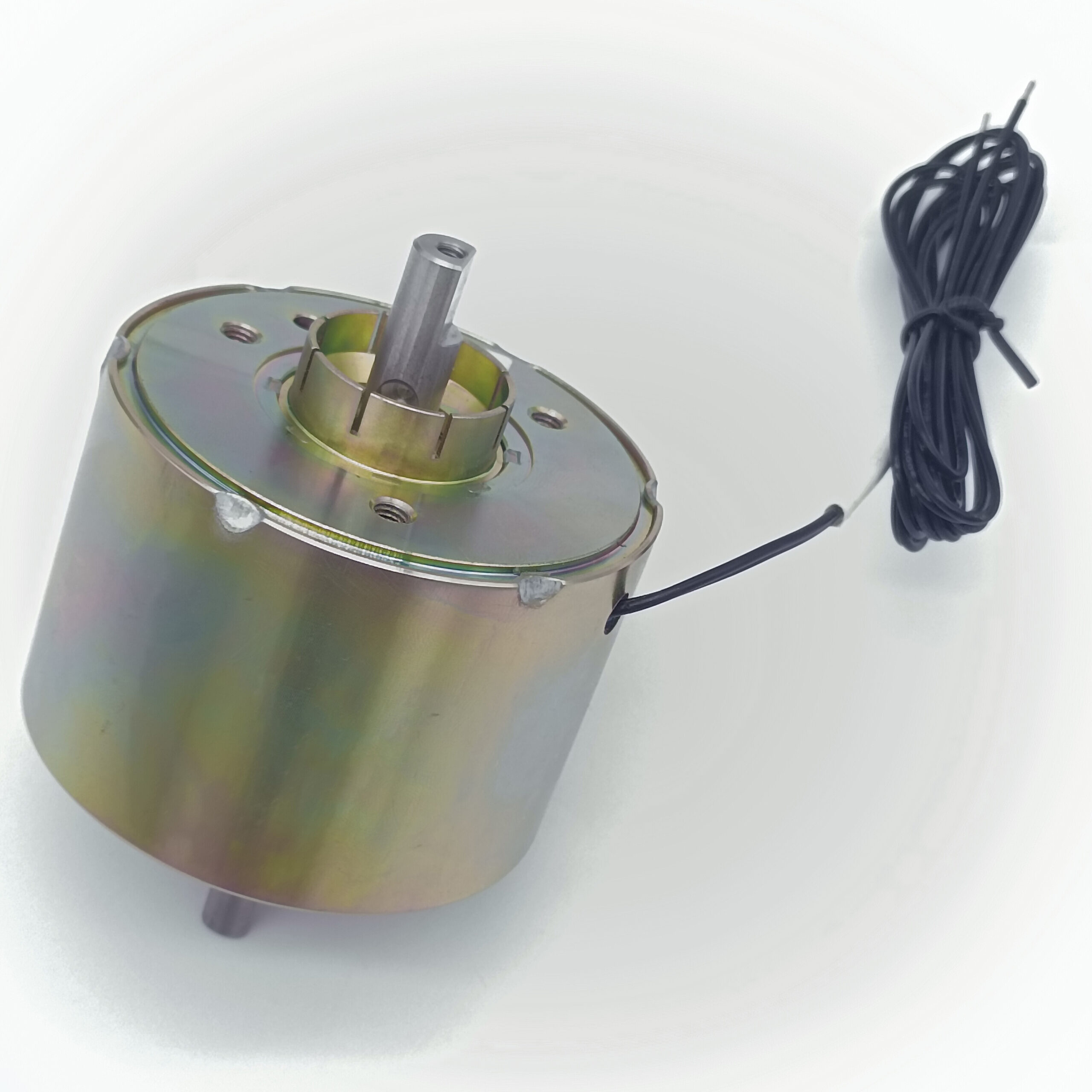
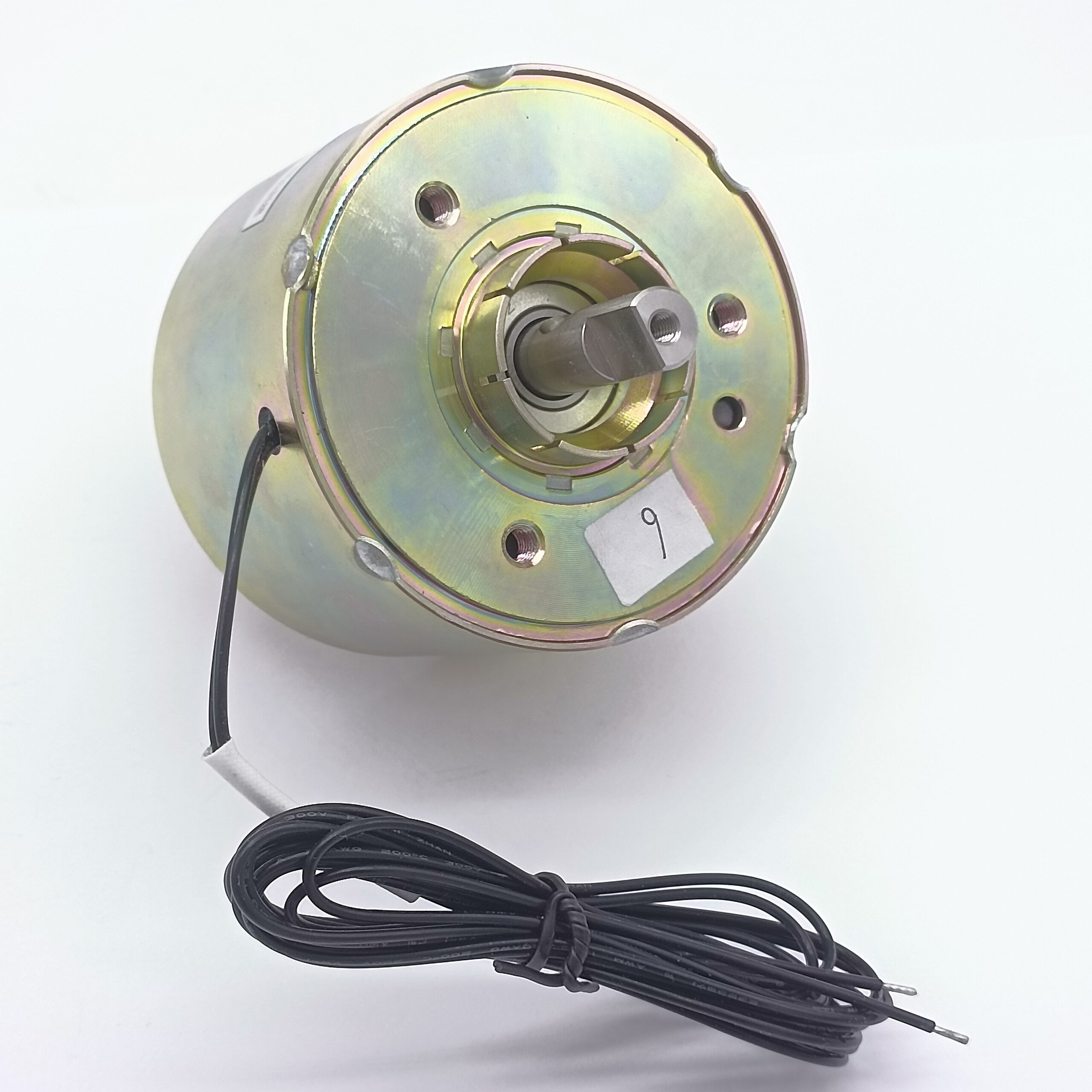
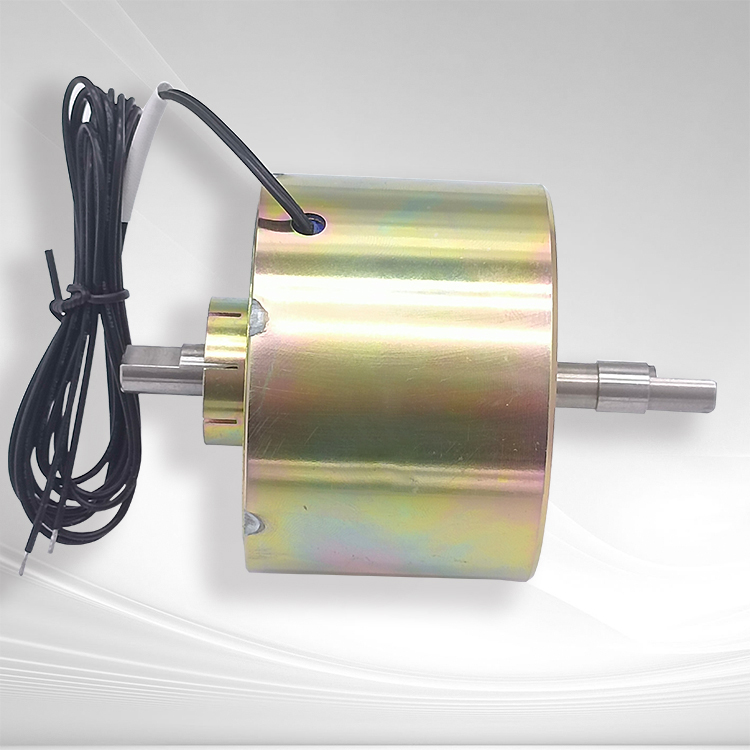
A rotary solenoid is an electromechanical device that converts electrical energy into mechanical rotation. It consists of a coil of wire wound around a cylindrical core and an armature (or plunger) that rotates when the coil is energized. The electromagnetic force generated by the coil attracts the armature, causing it to rotate and engage with a mechanical load, such as a valve or actuator.
1.2 Types of Rotary Solenoids
Rotary solenoids come in various types, each designed for specific applications. Some of the most common include:
- Tubular Rotary Solenoids: These solenoids feature a cylindrical design with the armature rotating inside the tube. They are suitable for applications requiring compact size and high torque.
- Flange-Mounted Rotary Solenoids: These solenoids have a flange that mounts to a surface, providing a sturdy base and easy installation. They are ideal for applications where space is limited or where the solenoid needs to be securely fastened.
- Gear-Driven Rotary Solenoids: These solenoids use gears to transmit torque from the armature to the load, allowing for precise control and adjustment. They are often used in applications requiring fine positioning or high-resolution control.
1.3 Key Performance Parameters
When selecting a rotary solenoid, several key performance parameters must be considered:
- Torque: The rotational force produced by the solenoid, measured in Newton-meters (Nm). It determines the load-carrying capacity of the solenoid.
- Operating Voltage and Current: The electrical power required to energize the solenoid, measured in volts (V) and amperes (A). It affects the solenoid’s energy consumption and compatibility with existing electrical systems.
- Рабочий цикл: The percentage of time the solenoid can be energized without overheating or experiencing degradation. It is crucial for applications requiring continuous or intermittent operation.
- Operating Temperature Range: The range of temperatures within which the solenoid can operate reliably. It ensures compatibility with the environmental conditions of the application.
- Life Expectancy: The estimated number of cycles or operating hours before the solenoid requires maintenance or replacement. It reflects the durability and reliability of the component.
Evaluating Your Application's Requirements
2.1 Identifying the Load Characteristics
Understanding the load characteristics is crucial for selecting a поворотный соленоид that can handle the specific requirements of your application. Consider the following:
- Torque Requirements: Determine the torque needed to move the load. Consider factors such as friction, inertia, and any additional mechanical resistances.
- Load Type: Identify whether the load is static (constant force) or dynamic (varying force). Dynamic loads may require solenoids with higher torque or faster response times.
- Operating Speed: Establish the required rotational speed of the solenoid. Faster speeds may necessitate solenoids with lower inductance and higher current ratings.
2.2 Environmental Conditions
The environmental conditions in which the rotary solenoid will operate can significantly impact its performance and lifespan. Consider the following:
- Temperature Range: Identify the minimum and maximum temperatures the solenoid will experience. Ensure the selected solenoid has an operating temperature range that encompasses these values.
- Humidity and Moisture: Assess the potential for humidity or moisture exposure. Select solenoids with sealed enclosures or coatings that protect against corrosion and internal contamination.
- Shock and Vibration: Evaluate the level of shock and vibration the solenoid will endure. Opt for solenoids with rugged construction and shock-absorbing features to minimize wear and tear.
2.3 Space and Mounting Considerations
The physical constraints of your application, such as space limitations and mounting requirements, will also influence your solenoid selection. Consider the following:
- Size and Shape: Measure the available space for the solenoid and ensure the selected model fits within these dimensions. Consider the shape and orientation of the solenoid to optimize space utilization.
- Mounting Options: Determine the most suitable mounting method for your application, such as flange mounting, bracket mounting, or threaded insertion. Ensure the solenoid offers the necessary mounting features and compatibility with your installation process.
- Accessories and Connections: Consider any additional accessories or connections required, such as electrical terminals, brackets, or sensors. Ensure the solenoid comes with the necessary accessories or has provisions for easy integration.
Choosing the Right Rotary Solenoids
3.1 Evaluating Supplier Options
With a clear understanding of your application’s requirements, it’s time to evaluate potential suppliers of rotary solenoids. Consider the following criteria:
- Technical Expertise: Look for suppliers with deep technical expertise in rotary solenoids. They should be able to provide insights into material selection, coil design, and other critical factors that can significantly impact performance.
- Product Range: Ensure the supplier offers a wide range of rotary solenoids to accommodate various torque, voltage, and size requirements. This provides flexibility in selecting the best match for your application.
- Customization Capabilities: Assess the supplier’s ability to customize solenoids to meet specific requirements. This includes modifications to torque, speed, size, and other parameters to ensure optimal performance in diverse applications.
3.2 Product Evaluation
Once you’ve narrowed down your supplier options, evaluate the specific rotary solenoids they offer based on your application’s requirements:
- Torque and Speed Matching: Compare the torque and speed specifications of the solenoids to your load characteristics. Ensure the selected solenoid can meet or exceed the required torque while operating within the desired speed range.
- Voltage and Current Compatibility: Verify that the solenoid’s operating voltage and current are compatible with your electrical system. Consider any power supply limitations or surge protection requirements.
- Duty Cycle and Life Expectancy: Evaluate the duty cycle and life expectancy of the solenoid to ensure it can withstand the operational demands of your application. Look for solenoids with higher duty cycles and longer life expectancies for continuous or high-cycle applications.
3.3 Testing and Validation
Before making a final decision, consider testing and validating the selected rotary solenoid in your application environment:
- Prototype Testing: Request a prototype of the selected solenoid for testing in your specific application. This allows you to validate its performance under real-world conditions and identify any potential issues or limitations.
- Performance Metrics: Establish performance metrics and benchmarks for the solenoid based on your application’s requirements. Monitor these metrics during testing to ensure the solenoid meets or exceeds expectations.
- Feedback and Adjustments: Provide feedback to the supplier based on your testing results. They may offer adjustments or modifications to improve performance and alignment with your application’s needs.
Ensuring Long-Term Reliability and Performance of rotary solenoids
4.1 Maintenance and Servicing
Once you’ve selected and integrated the right rotary solenoid into your application, maintaining its reliability and performance is crucial. Consider the following best practices:
- Regular Inspections: Schedule regular inspections of the solenoid to check for wear, contamination, or other signs of degradation. This helps identify potential issues before they become critical.
- Cleaning and Lubrication: Clean the solenoid regularly to remove dirt, debris, and other contaminants. Apply suitable lubricants to moving parts to reduce friction and wear.
- Spare Parts Inventory: Maintain an inventory of spare parts, such as coils, armatures, and seals, to minimize downtime in case of failures. Ensure these parts are compatible with your installed solenoids.
4.2 Supplier Support and Warranty
Partnering with a supplier that offers comprehensive support and warranty services can enhance the lifespan and reliability of your rotary solenoids. Consider the following:
- Technical Support: Ensure the supplier provides ongoing technical support for troubleshooting, maintenance, and performance optimization. Look for suppliers with dedicated support teams and quick response times.
- Warranty Coverage: Verify the warranty coverage provided by the supplier. Look for comprehensive warranties that cover defects in materials and workmanship, as well as any additional services or replacements required.
- Training and Resources: Assess the supplier’s training programs and resource materials, such as user manuals, technical guides, and application notes. These resources can help your team operate and maintain the solenoids effectively.
Trends and Innovations in Rotary Solenoids
5.1 Advances in Materials and Coatings
The development of new materials and coatings has significantly enhanced the performance and reliability of rotary solenoids. For instance, the use of high-temperature-resistant materials allows solenoids to operate in extreme environments. Coatings such as Teflon and other polytetrafluoroethylene (PTFE) variants provide enhanced lubrication and wear resistance, extending the lifespan of moving parts.
5.2 Integration of Electronics and Sensors
The integration of electronics and sensors within rotary solenoids is a growing trend. These additions enable advanced features such as closed-loop control, real-time monitoring, and diagnostics. For example, solenoids with integrated Hall-effect sensors can provide precise positional feedback, allowing for more accurate and repeatable control.
5.3 Energy Efficiency and Sustainability
Energy efficiency and sustainability are becoming increasingly important considerations in the selection of rotary solenoids. Manufacturers are developing solenoids with lower power consumption and higher efficiency ratings to meet these demands. Innovations such as energy-recovery systems and optimized coil designs contribute to reducing energy waste and environmental impact.
5.4 Compact Design and Miniaturization
The trend towards compact design and miniaturization is driving the development of smaller, lighter rotary solenoids. These solenoids are ideal for applications with limited space or weight constraints, such as aerospace and handheld devices. Manufacturers are using advanced manufacturing techniques, such as precision machining and additive manufacturing (3D printing), to create solenoids with intricate designs and reduced footprints.
The Path to Successful Rotary Solenoid Selection
Выбор правильного rotary solenoids for your application involves a thorough understanding of the basics, careful evaluation of your application’s requirements, and diligent selection of the right supplier and product. By following the guidelines outlined in this blog, you can navigate the complex world of rotary solenoids and make an informed decision that ensures optimal performance, reliability, and cost-effectiveness.
Remember, the key to successful rotary solenoid selection is balance. Balance the torque, speed, and voltage requirements against the environmental conditions, space constraints, and mounting options. Balance the need for customization and flexibility with the supplier’s technical expertise and product range. And finally, balance the initial cost with the long-term benefits of reliability, performance, and support.
In conclusion, rotary solenoids are indispensable components in numerous applications, and selecting the right one requires careful consideration and planning. By understanding the basics, evaluating your application’s requirements, and assessing potential suppliers, you can choose a rotary solenoid that meets your needs today and adapts to your future demands.
With the advancements in materials, electronics, energy efficiency, and compact design, the future of rotary solenoids is bright. Stay informed about the latest trends and innovations to ensure you are always leveraging the best technology for your applications.
О заводе электромагнитов SF
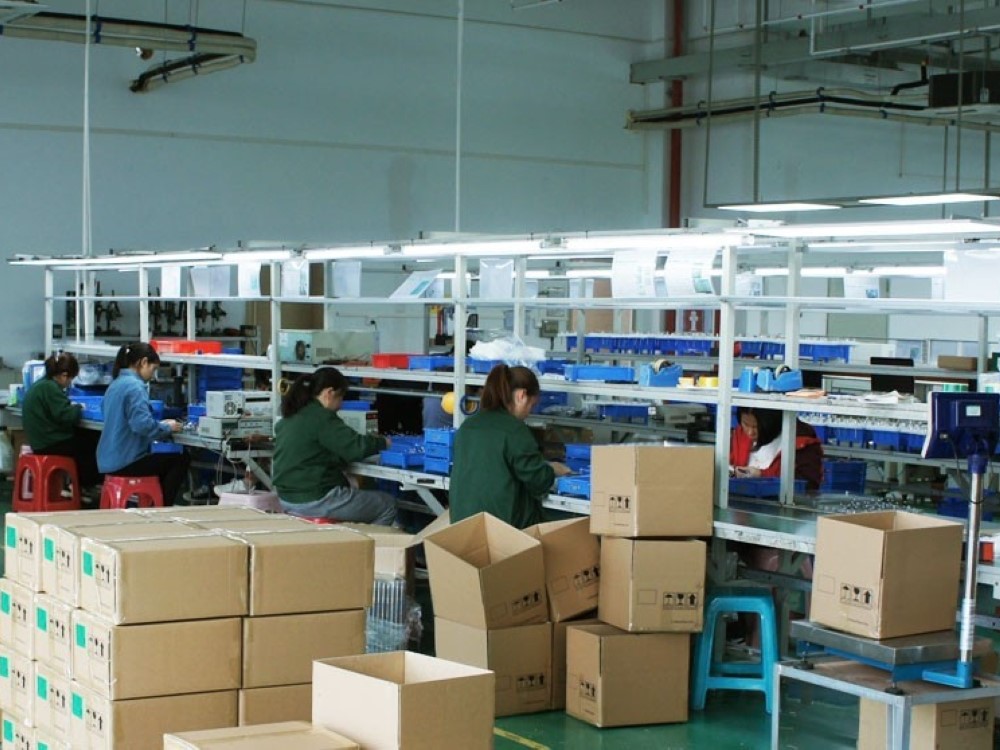
Компания Shengfeng Electromagnet Co., Ltd. была основана в 2015 году и расположена в индустриальном парке Сяньша, отличающемся живописными пейзажами и удобной транспортной доступностью. Компания занимает площадь 16 000 квадратных метров и располагает современными производственными цехами, передовым оборудованием и высококвалифицированной технической командой. С момента основания мы неизменно придерживаемся корпоративной философии “инновации, качество и сервис”, уделяя особое внимание исследованиям, разработкам и производству. электромагниты, постоянно продвигая модернизацию продукции и технологический прогресс, а также предоставляя клиентам продукцию и услуги высочайшего качества.
Почему стоит выбрать электромагнит SF?
ВЫСОКОЕ КАЧЕСТВО:Являясь ведущим китайским производителем электромагнитов соленоидного типа, мы гарантируем высочайшее качество каждого изделия, которое вы получаете; для этого наша служба контроля качества использует профессиональное испытательное оборудование.
ДИЗАЙН ПРОДУКТА:Наш отдел по изготовлению образцов обеспечивает полный цикл воплощения чертежей в готовые изделия. Мы также совершенствуем конструкцию вашего продукта, опираясь на наш многолетний опыт работы. Поделитесь с нами своим мнением.
СТАБИЛЬНЫЕ СРОКИ ДОСТАВКИ:Являясь ведущим производителем и поставщиком электромагнитов, мы обладаем достаточными производственными мощностями: крупные заказы не станут для нас проблемой, и мы гарантированно выполним их в срок.
ЛУЧШАЯ ЦЕНА:Мы являемся заводом-производителем электромагнитов и лучшим изготовителем соленоидов в Китае, поэтому можем предложить высококачественную продукцию по самым выгодным ценам.
ТОЧНОЕ УПРАВЛЕНИЕ:Ничего невозможно достичь без точного управления. Мы — компания с полноценной системой управления.
Круглосуточное обслуживание: 7 дней в неделюКак ведущий производитель соленоидов, мы обеспечиваем круглосуточную оперативную обратную связь: ваши отзывы помогают нам становиться лучше.
Часто задаваемые вопросы об электромагнитах
Мы — ведущая китайская компания. электромагнит Мы являемся производителем, и наш завод расположен в Дунгуане. Приглашаем вас посетить наш завод!
Мы специализируемся на проектировании и производстве высококачественной продукции. электромагнит,электромагнитный клапан,такой как вращающийся соленоид, бистабильные соленоиды, запорные соленоиды, соленоиды открытой рамы, трубчатые соленоиды, самоудерживающий соленоид
• Разумеется, обычно мы предоставляем бесплатные образцы, и вам нужно оплатить только доставку. Для заказа образцов электромагнитов по индивидуальному заказу, пожалуйста, пришлите нам ваши требования для уточнения стоимости образцов.
• Изготовление образца занимает около 7 дней.
Да, мы предоставляем бесплатные услуги по проектированию, разработке конструкций и простому графическому дизайну.
Конечно. Мы можем изготовить любой электромагнит по вашему дизайну. Сейчас мы предлагаем ODM-производство соленоидов для небольших партий от 100 до 500 штук, но вы все равно можете разместить на них свой логотип.
В зависимости от объема заказа и особенностей производства, срок выполнения составит от 15 до 20 дней.
Перед массовым производством всегда предоставляется предсерийный образец; перед отгрузкой всегда проводится окончательная проверка.
• Мощность, тип использования, размер, материал, количество, место доставки и т. д.
• Вы также можете просто сообщить нам свои требования, и мы порекомендуем вам подходящие товары.
• Морским, воздушным или экспресс-транспортом.
• Если у вас есть собственный экспедитор в Китае, то используется цена «франко-завод» или FOB.
• Условия поставки: CFR или CIF и т.д., если вам необходимо, чтобы мы осуществили доставку от вашего имени.
• Также можно использовать DDP и DDU.
• Если у вас больше вариантов, мы рассмотрим ваши предложения.
• Цена определяется количеством, материалом, методом обработки, размером и другими факторами. Кроме того, в связи с нашим постоянным
Благодаря технологическим инновациям, цены на некоторые наши товары чрезвычайно конкурентоспособны. Для получения ценового предложения, пожалуйста, свяжитесь с нами.