









Last Updated on 2026-07-08 by SolenoidFactory
Why High Temperature Changes Solenoid Performance
In modern industrial systems, solenoids are widely used for automation, fluid control, safety mechanisms, locking systems, robotics, industrial valves, heavy machinery, and energy equipment. However, when operating environments become extremely hot, the performance differences between solenoides CA e DC solenoids become increasingly significant.
Many engineers discover that a solenoid working perfectly at room temperature may fail prematurely in a high-temperature environment due to:
- Superaquecimento da bobina
- Insulation degradation
- Reduced magnetic force
- Excessive vibration
- Increased resistance
- Thermal expansion effects
Choosing the wrong type of solenoide eletromagnético in high-temperature applications can lead to unstable operation, reduced service life, and even catastrophic system failure.
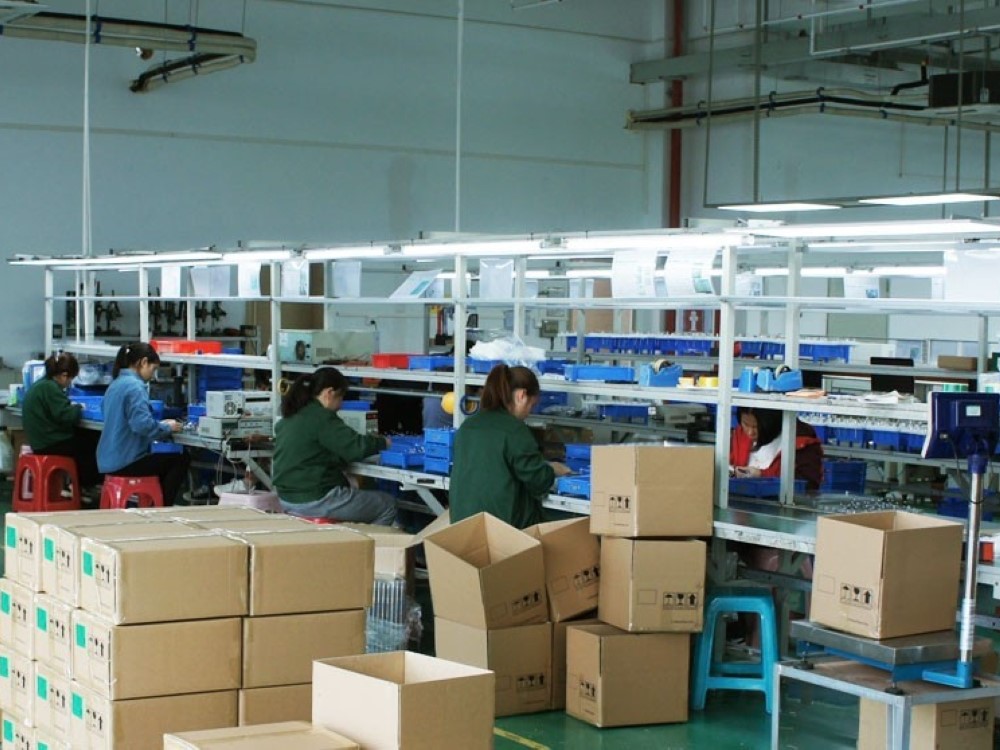
Como profissional Fabricante de solenoides with over 10 years of experience, SF has helped global customers customize high-performance electromagnetic solutions for demanding industrial conditions. With experienced engineering teams, a 6000㎡ manufacturing facility, and exports to over 60 countries and regions, SF understands how temperature affects both AC and DC solenoid behavior.
This article provides a deep technical comparison of AC vs. DC solenoids in high-temperature industrial environments, including principles, thermal mechanisms, material considerations, application selection, engineering solutions, and how to choose the right fábrica de solenoides.
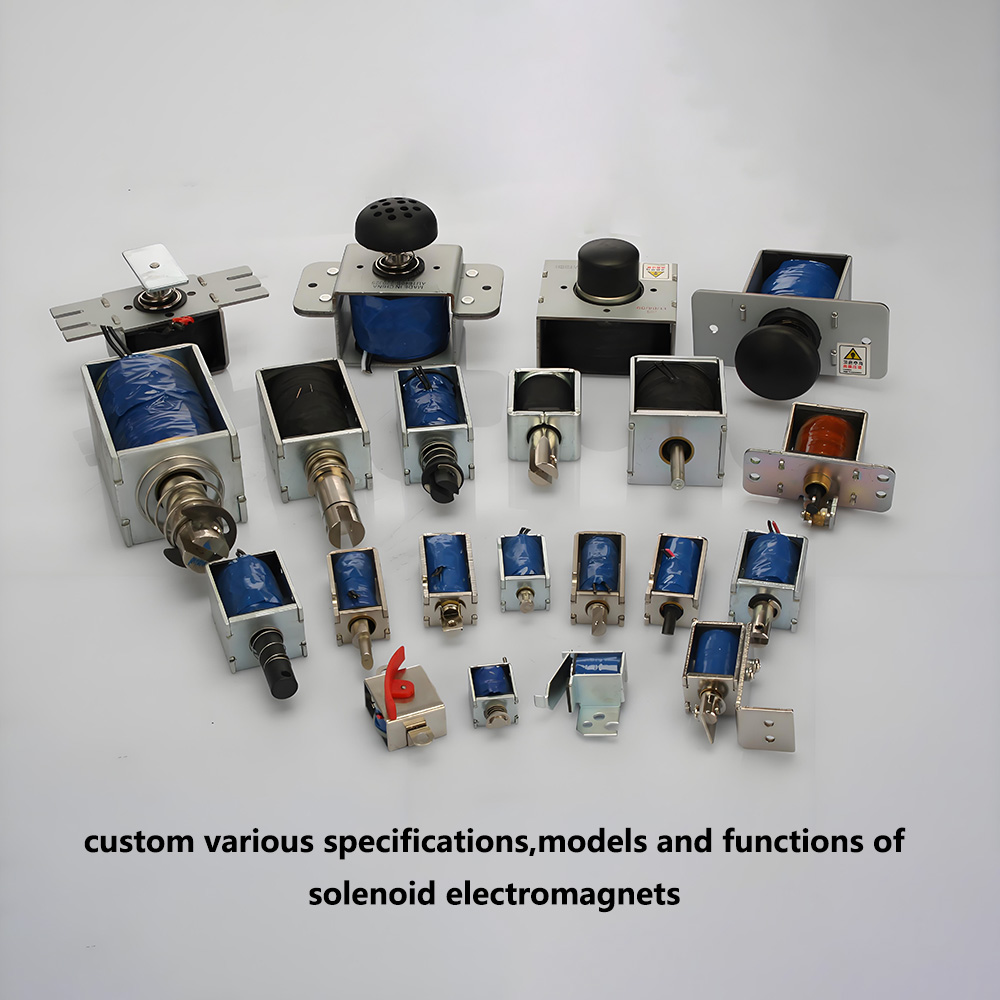
1. Understanding the Basic Difference Between AC and DC Solenoids
Before analyzing thermal performance, it is important to understand how AC and DC solenoids fundamentally operate.
AC Solenoids
AC solenoids operate using alternating current, typically:
- 50Hz
- 60Hz
The magnetic field continuously alternates polarity with the electrical frequency.
Characteristics of AC Solenoids
- Fast response speed
- Strong initial pull force
- Designed for alternating current systems
- Require shading rings to reduce vibration
DC Solenoids
DC solenoids operate using direct current with stable polarity.
Characteristics of DC Solenoids
- Stable magnetic field
- Lower vibration
- Smoother operation
- Easier thermal control
Um profissional eletroímã personalizado design must consider how these operational differences affect heat generation under high-temperature conditions.
2. Why High Temperature Is a Critical Challenge for Solenoids
Temperature affects nearly every component inside an solenoide eletromagnético.
Main Thermal Risks
2.1 Increased Coil Resistance
Copper resistance increases with temperature.
Resultado:
- Higher power loss
- Lower efficiency
- Increased heat generation
2.2 Insulation Aging
Excessive temperature accelerates:
- Insulation cracking
- Short circuits
- Coil burnout
2.3 Magnetic Performance Reduction
Magnetic materials lose permeability as temperature rises.
Resultado:
- Reduced force output
- Slower response
- Reduced holding capability
2.4 Mechanical Expansion
Thermal expansion may cause:
- Desalinhamento
- Aumento do atrito
- Reduced movement precision
Um profissional Fabricante de solenoides must account for all these thermal effects simultaneously.
3. Heat Generation Mechanisms: AC vs. DC Solenoids
Heat generation differs significantly between AC and DC systems.
DC Solenoid Heating
DC solenoids primarily generate heat through:
- Copper resistance losses (I²R loss)
Vantagens
- Predictable heating behavior
- Stable thermal characteristics
AC Solenoid Heating
AC solenoids generate heat from:
- Copper losses
- Eddy current losses
- Hysteresis losses
- Magnetic vibration losses
Resultado
AC systems inherently generate more heat under similar operating conditions.
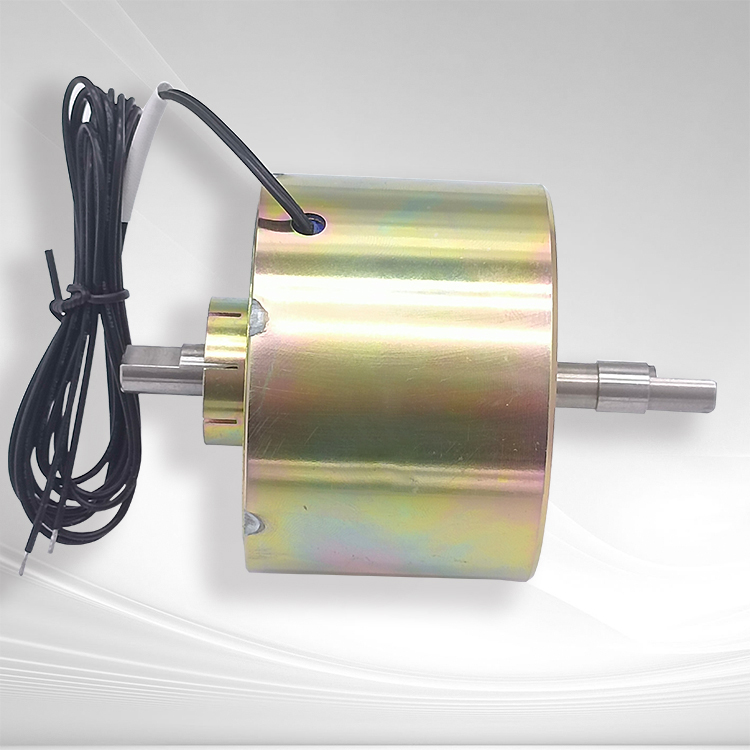
Tabela de comparação
| Parâmetro | AC Solenoid | DC Solenoid |
|---|---|---|
| Copper Loss | Moderado | Moderado |
| Perda por corrente de Foucault | Alto | Minimal |
| Hysteresis Loss | Present | Minimal |
| Vibration Heat | Present | Very Low |
| Estabilidade térmica | Mais baixo | Mais alto |
This is one reason why DC systems are often preferred in continuous high-temperature applications.

4. Thermal Stability in High-Temperature Environments
Thermal stability determines long-term reliability.
DC Solenoids in High Temperature
DC designs generally offer:
- Stable current
- Predictable heating
- Lower vibration
- Better continuous duty performance
AC Solenoids in High Temperature
AC systems may suffer from:
- Additional magnetic heating
- Coil vibration
- Increased core losses
This makes thermal management more challenging.
5. Force Performance at Elevated Temperatures
Temperature directly impacts magnetic force.
AC Solenoids
Advantages:
- Strong initial force
- Fast actuation
Disadvantages:
- Force can fluctuate with temperature
- Greater thermal sensitivity
DC Solenoids
Advantages:
- Stable force output
- Smoother operation
- Better holding consistency
Engineering Insight
For applications requiring:
- Continuous holding force
- Thermal stability
- Long operating cycles
DC solenoids are usually superior.
6. Noise and Vibration Under High Temperature
Noise becomes more noticeable at elevated temperatures.
AC Solenoids
AC magnetic fields alternate continuously, causing:
- Mechanical hum
- Vibração
- Increased wear
As temperature rises:
- Expansion may worsen vibration
- Noise levels may increase
DC Solenoids
DC systems provide:
- Funcionamento silencioso
- Minimal vibration
- Better precision performance
This is critical in:
- Equipamentos médicos
- Precision automation
- Laboratory systems
7. Duty Cycle Considerations in High-Temperature Applications
Duty cycle strongly affects thermal behavior.
Continuous Duty
DC solenoids perform better due to:
- Stable current
- Lower additional losses
Intermittent Duty
AC solenoids can perform effectively in:
- Short activation cycles
- High-force intermittent applications
Tabela de comparação
| Duty Type | Recommended Solenoid |
|---|---|
| Continuous High Temperature | DC |
| Short Intermittent Duty | AC |
| Precision Holding | DC |
| High Initial Pull Force | AC |

8. Material Selection for High-Temperature Solenoids
Material selection is critical for both AC and DC designs.
Coil Insulation Materials
| Classe de isolamento | Maximum Temperature |
|---|---|
| Class B | 130°C |
| Class F | 155°C |
| Class H | 180°C |
Um profissional fábrica de solenoides typically uses Class F or H for industrial high-temperature applications.
Materiais básicos
High-temperature applications require:
- Low-loss magnetic materials
- High Curie temperature alloys
- Stable permeability characteristics
Housing Materials
Metal housing with good thermal conductivity improves:
- Dissipação de calor
- Structural stability
9. Cooling and Heat Dissipation Strategies
Thermal management is essential in industrial environments.
Common Cooling Methods
Passive Cooling
- Aluminum housing
- Thermal conduction paths
- Ventilation design
Resfriamento ativo
- Forced air cooling
- Liquid cooling systems
Um profissional Fabricante de solenoides selects the best cooling strategy based on:
- Space limitations
- Ciclo de trabalho
- Temperatura ambiente
10. Real Custom Case: High-Temperature Industrial Valve
Customer Challenge
An industrial customer required:
- Continuous operation at 120°C ambient
- Stable valve actuation
- Longa vida útil
Their original AC solenoid suffered from overheating and unstable operation.
SF Engineering Solution
SF redesigned the system using:
- Optimized DC solenoid architecture
- Class H insulation
- Improved thermal conduction paths
- Circuito magnético de alta eficiência
Final Result
| Parâmetro | Original AC Design | SF DC Design |
|---|---|---|
| Coil Temperature | 165°C | 128°C |
| Service Life | Poor | Excelente |
| Force Stability | Unstable | Stable |
| Maintenance Frequency | Alto | Baixo |
11. Real Custom Case: Industrial Automation System
Desafio
A customer used AC solenoids in a high-temperature automation environment.
Problems included:
- Excessive vibration
- Coil burnout
- Noise issues
Solução SF
SF engineers implemented:
- Custom DC electromagnet solenoid
- PWM control optimization
- Thermal-resistant materials
Resultado
The new design achieved:
- Lower operating temperature
- Reduced energy consumption
- Improved reliability
12. How to Choose Between AC and DC Solenoids
Selection depends on multiple engineering factors.
Key Selection Criteria
| Fator | AC Solenoid | DC Solenoid |
|---|---|---|
| Continuous Duty | Moderado | Excelente |
| High Temperature | Moderado | Better |
| Fast Response | Excelente | Bom |
| Quiet Operation | Moderado | Excelente |
| Eficiência energética | Moderado | Better |
13. Como escolher o eletroímã personalizado certo
Ao selecionar um eletroímã personalizado, engineers should evaluate:
- Ambient operating temperature
- Required force
- Comprimento do movimento
- Ciclo de trabalho
- Power supply type
- Available installation space
Um profissional Fabricante de solenoides should provide:
- Análise térmica
- Force-stroke curves
- Duty cycle recommendations
14. Common Mistakes in High-Temperature Solenoid Selection
Many failures result from improper selection.
Common Errors
- Ignoring ambient temperature
- Choosing AC for continuous high-temperature duty
- Underestimating heat accumulation
- Using low insulation classes
- Selecting standard products instead of customized solutions
Um profissional fábrica de solenoides avoids these risks through engineering analysis.
15. Why Customization Matters in High-Temperature Applications
Standard products rarely perform optimally in harsh environments.
Benefits of Custom Solenoid Design
- Optimized thermal management
- Improved efficiency
- Longer service life
- Better environmental resistance
This is why many industrial OEM customers prefer custom-designed solutions.
16. How to Choose the Right Solenoid Manufacturer
Not all suppliers can handle high-temperature electromagnetic applications.
Important Evaluation Factors
Engineering Capability
The manufacturer should provide:
- Electromagnetic simulation
- Análise térmica
- Material optimization support
Manufacturing Capability
Um confiável fábrica de solenoides deveria ter:
- Precision winding equipment
- Advanced testing systems
- Stable production quality
Industry Experience
Experience with industrial applications is essential.
17. Why SF Is a Preferred Solenoid Manufacturer
SF é um profissional eletroímã personalizado e solenoide eletromagnético fabricante com:
- Over 10 years of experience
- Experienced engineering teams
- Instalações de produção de 6000 m²
- Export to 60+ countries and regions
- Extensive OEM customization capability
SF Core Advantages
Advanced Thermal Design Capability
SF engineers optimize:
- Coil efficiency
- Dissipação de calor
- Seleção de materiais
- Structural thermal paths
Strong Manufacturing Capacity
The 6000㎡ factory ensures:
- Stable production
- Consistent quality
- Reliable delivery
Rich Industry Experience
SF has helped many global customers customize:
- Industrial solenoids
- solenoides de válvulas
- High-temperature electromagnets
- Heavy-duty actuator systems
18. Future Trends in High-Temperature Solenoid Technology
The industry is evolving rapidly toward:
- High-efficiency magnetic materials
- Smart electronic control
- Integrated thermal monitoring
- Otimização assistida por IA
- Compact high-temperature designs
Uma visão de futuro Fabricante de solenoides must continuously innovate to remain competitive.
AC vs. DC Solenoids in High-Temperature Industrial Applications
Both AC and DC solenoids have advantages, but high-temperature industrial environments demand careful engineering analysis.
Principais conclusões
- AC solenoids offer strong initial force and fast response
- DC solenoids provide better thermal stability and continuous-duty performance
- High temperature amplifies the weaknesses of poor thermal design
- Material selection and heat dissipation are critical
- Customized solutions outperform standard products in harsh environments
Most importantly:
Escolhendo o caminho certo fábrica de solenoides is often more important than choosing AC or DC alone.
With over a decade of experience, SF continues to provide reliable high-performance solutions as a trusted Fabricante de solenoides, helping global customers solve challenging high-temperature electromagnetic applications through advanced custom engineering and stable manufacturing capability.
Personalize todos os tipos de eletroímãs, entre em contato com a fábrica de eletroímãs SF whatsapp +86 189 0261 1680