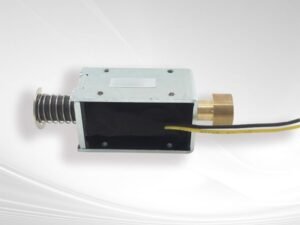










In the demanding world of industrial automation, high-frequency operation is the ultimate test of a solenoid’s mechanical integrity. Whether you are managing high-speed packaging lines, sorting systems, or precision medical pumps, the sound of a solenoid plunger sticking or the dreaded, continuous “buzzing” noise is more than just a nuisance—it is a signal of impending system failure.
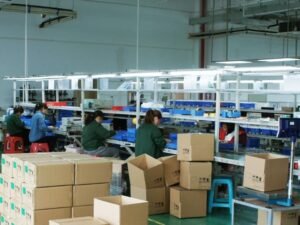
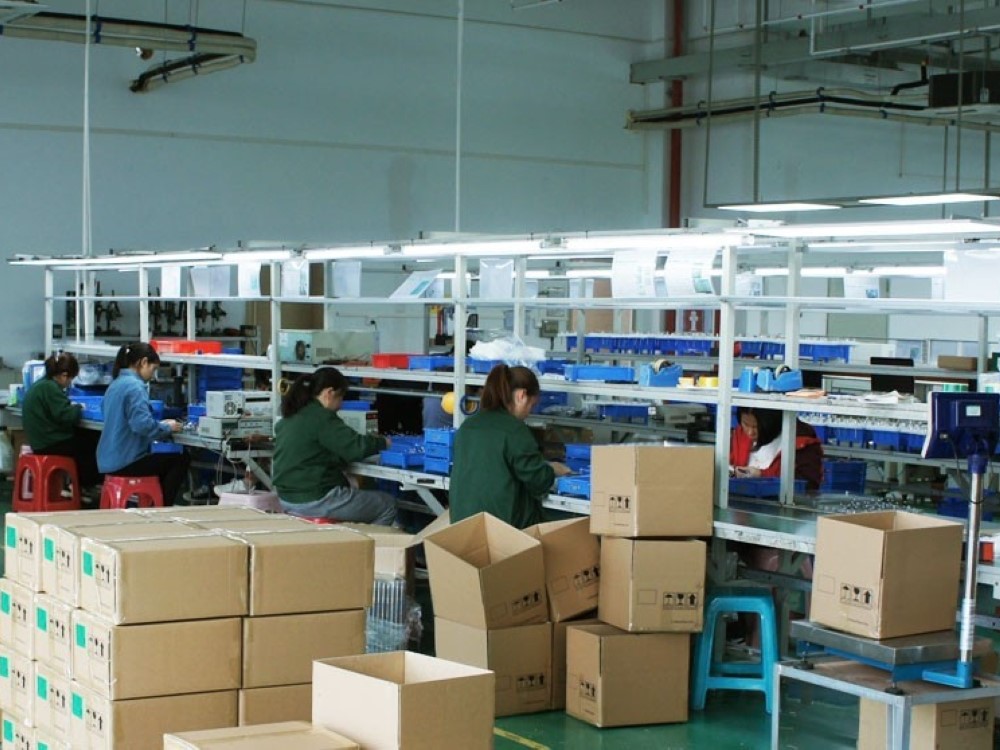
For procurement managers and design engineers, these intermittent failures can lead to massive downtime and costly product recalls. As a specialized Fabricante de solenoides with over 10 years of experience, our team at SF has spent thousands of hours in our 6,000-square-meter facility troubleshooting these exact issues. In this deep dive, we will explore the engineering root causes of mechanical failure and, more importantly, how to solve them for good.
1. The Anatomy of Failure: Why Solenoid Plunger Sticking Occurs
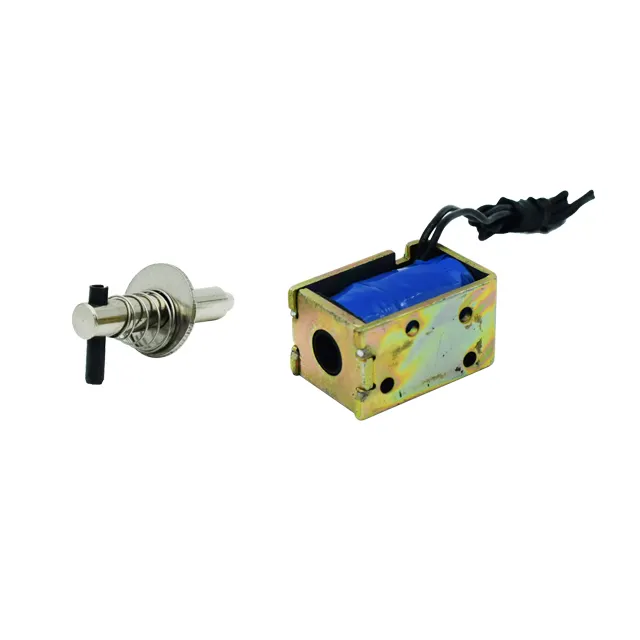
When we see a solenoid plunger sticking, it is almost always due to a breakdown in the mechanical clearance or surface integrity between the plunger and the guide. In high-frequency applications, heat expansion, microscopic debris buildup, or even varnish residue from the coil can create friction that exceeds the spring’s return force. When the plunger fails to reset instantly, the entire synchronization of your machine is compromised.
2. Understanding the Buzzing: Magnetic Instability in Electromagnets
That annoying “buzzing” sound is typically caused by magnetic flux oscillation. In AC-powered units, the magnetic force drops to zero 100 or 120 times per second (depending on your grid frequency), allowing the plunger to vibrate against the pole piece. Even in DC systems, improper current regulation or load resonance can create audible chatter. Solving this requires a precise balance between electrical input and mechanical damping.
3. Material Science: Selecting Coatings to Prevent Sticking
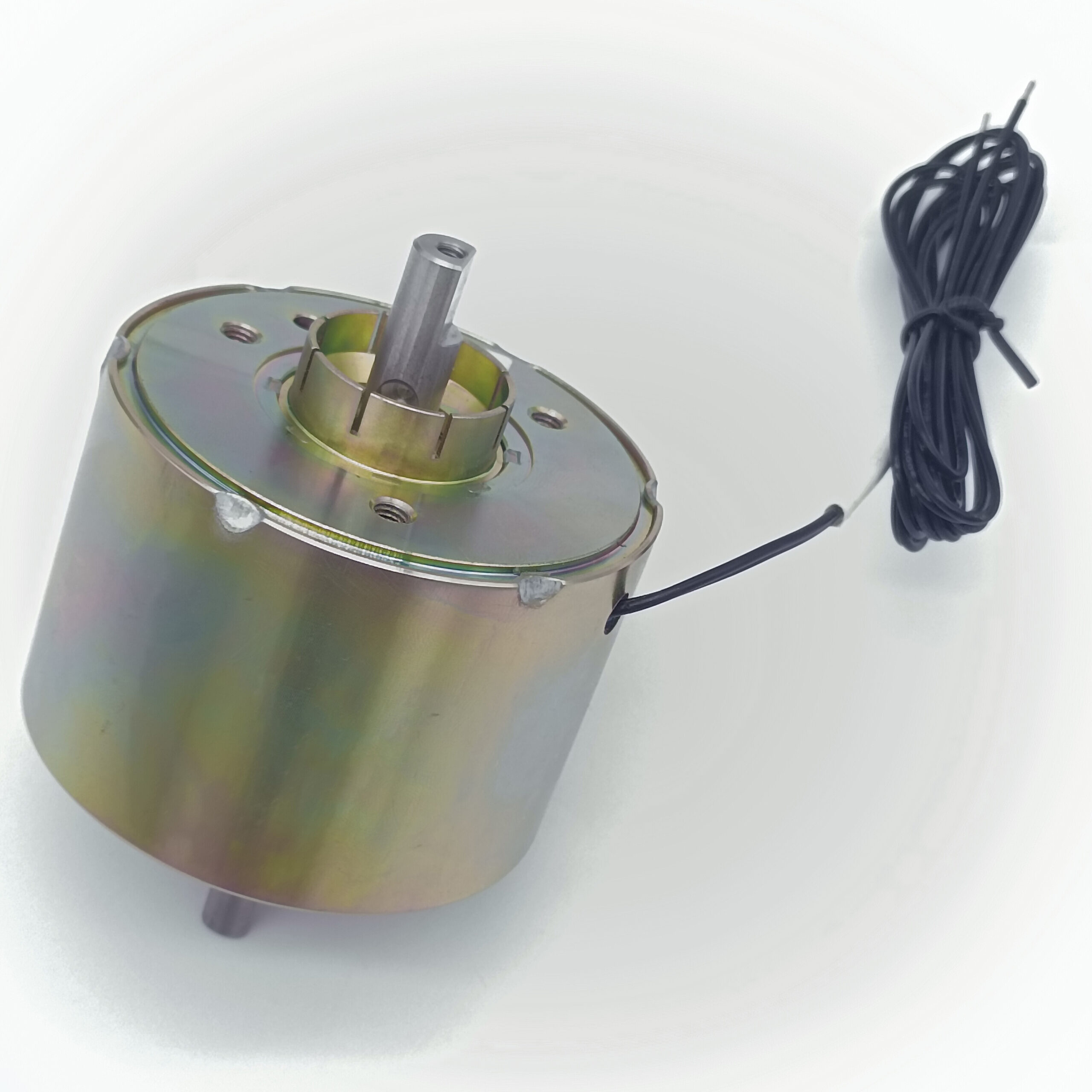
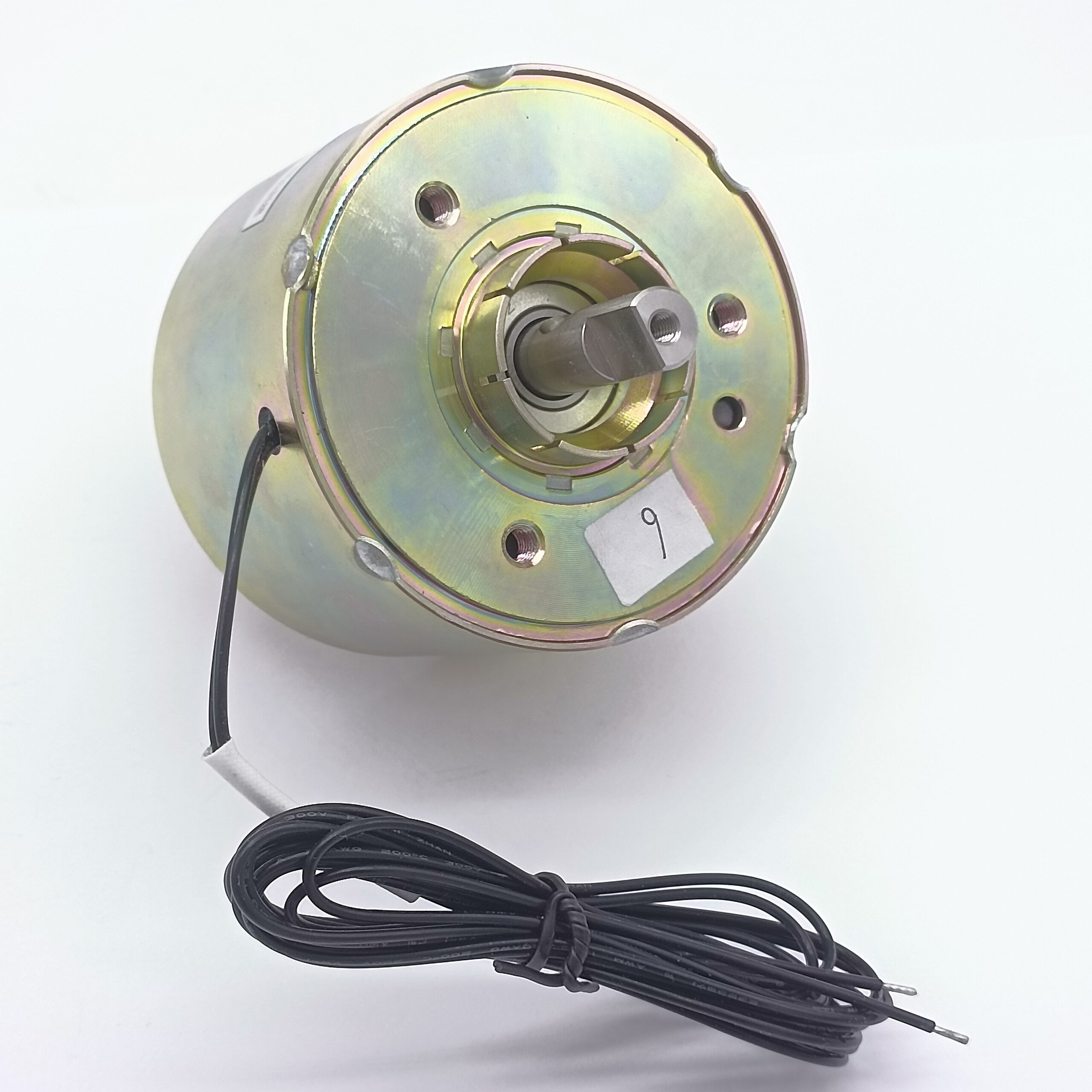
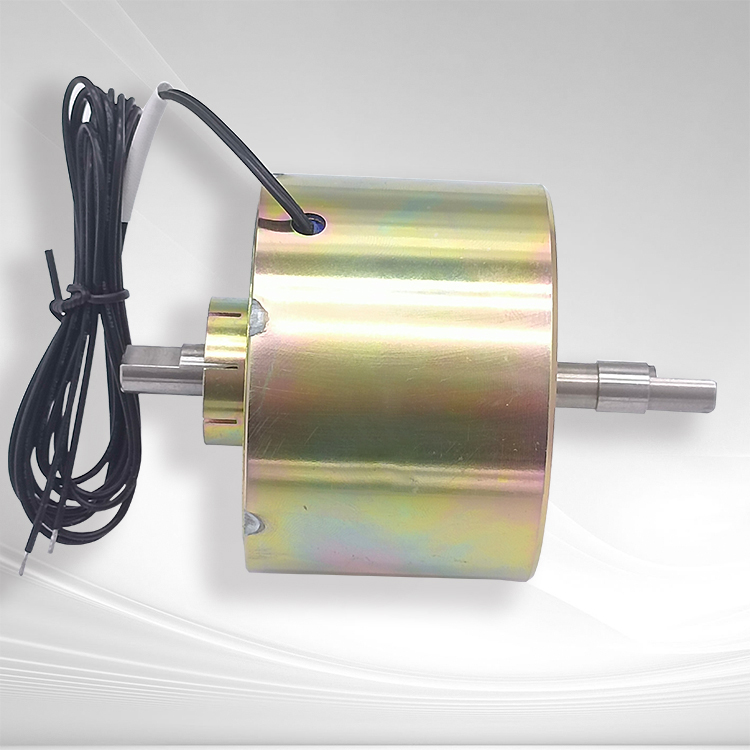
Not all plating is created equal. To prevent solenoid plunger sticking, the choice of coating is paramount. Standard zinc plating can sometimes gall or wear unevenly over millions of cycles. We often recommend electroless nickel or specialized dry-film lubricants (like PTFE) for high-frequency environments. These coatings reduce the coefficient of friction and prevent the “micro-welding” effect that often causes plungers to seize in their housings.
4. Precision Tolerances: The Engineering Key to Smooth Operation
At SF, we know that a 0.05mm deviation in the guide sleeve diameter can be the difference between a successful machine and a production nightmare. High-frequency applications require tighter tolerances to maintain concentricity. If the plunger is slightly misaligned, it will exert lateral pressure on the sleeve, leading to the rapid wear that causes both solenoid plunger sticking and audible buzzing.
5. Case Study: Solving Noise in High-Speed Sorting Gates
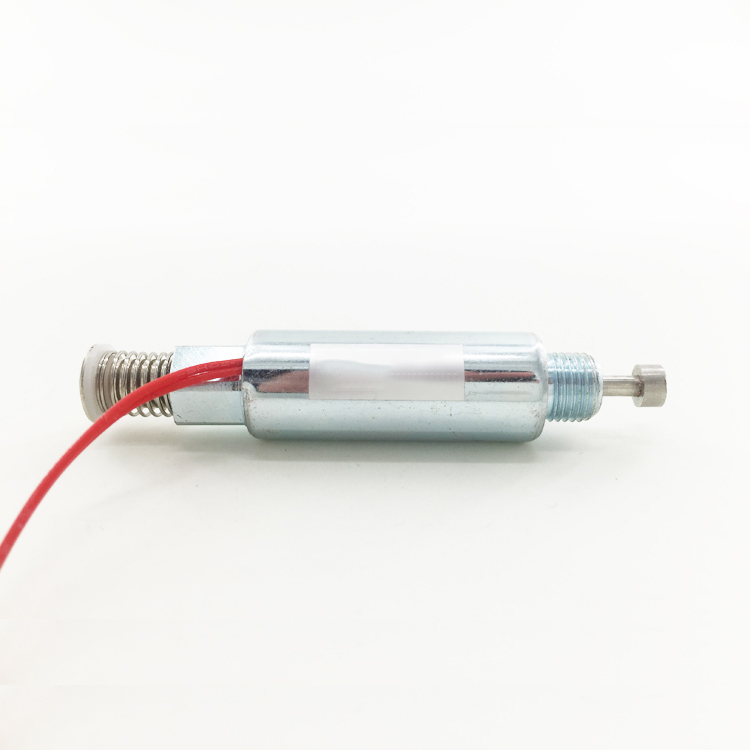
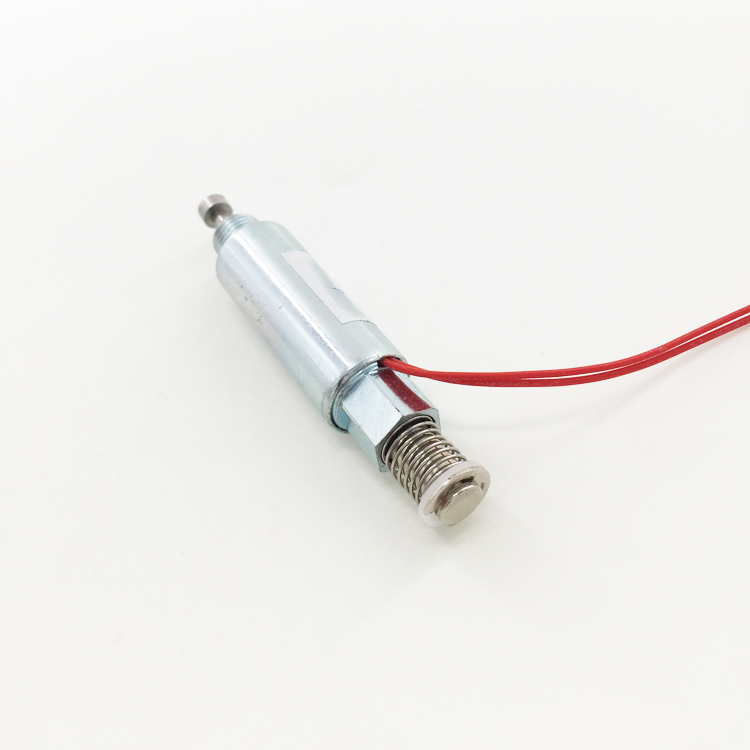
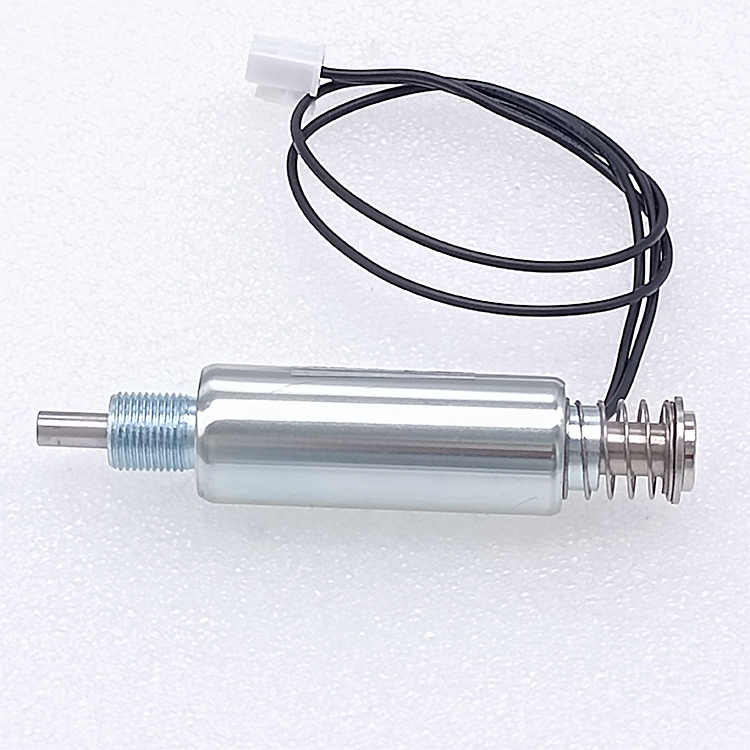
We once partnered with a global brand whose sorting solenoids were failing due to erratic buzzing after 500,000 cycles. Upon inspection, we discovered the issue was “plunger bounce”—the plunger was striking the stop so hard it rebounded slightly, causing a magnetic gap oscillation. By redesigning the internal buffer and implementing a custom spring rate tuned to the exact frequency of their cycle, we eliminated the buzzing and extended the life of the unit to over 10 million cycles.
6. The Role of Spring Tension in Preventing Sticking
Many buyers assume “stiffer springs are better.” In reality, a spring that is too stiff puts excessive load on the electromagnet, while a spring that is too weak fails to overcome internal friction. We use dynamic force testing to match the spring constant to the specific mass of your plunger and the load, ensuring the solenoid operates with consistent snap-action every time.
7. Lubrication Strategies: To Grease or Not to Grease?
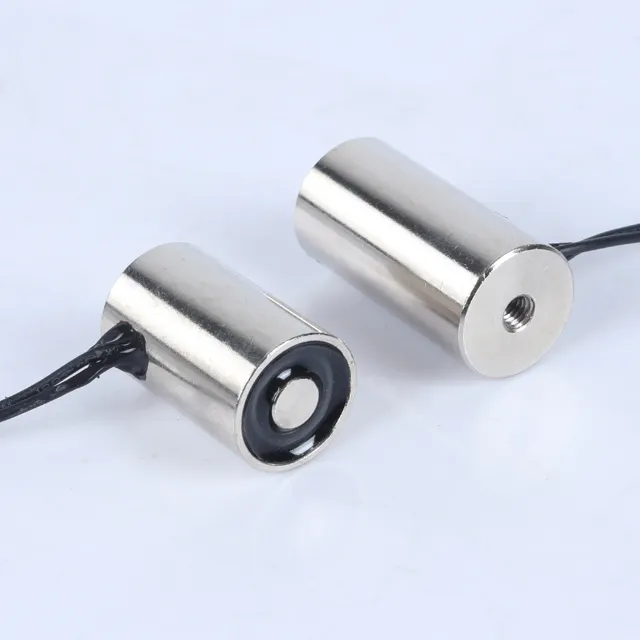
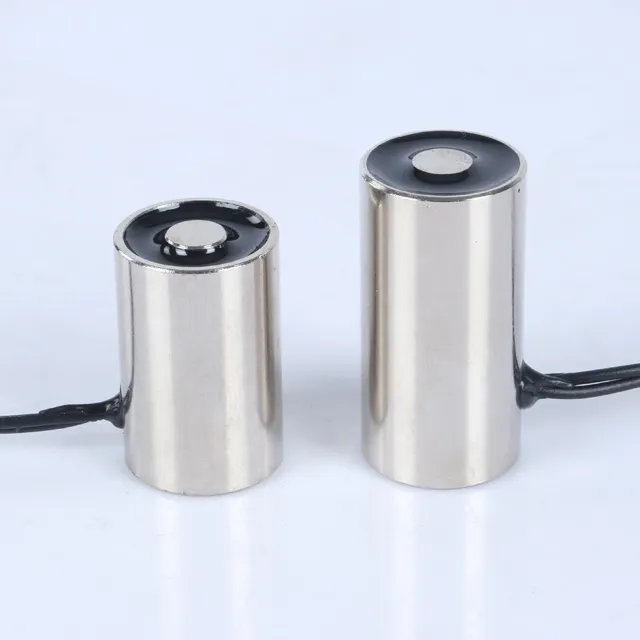
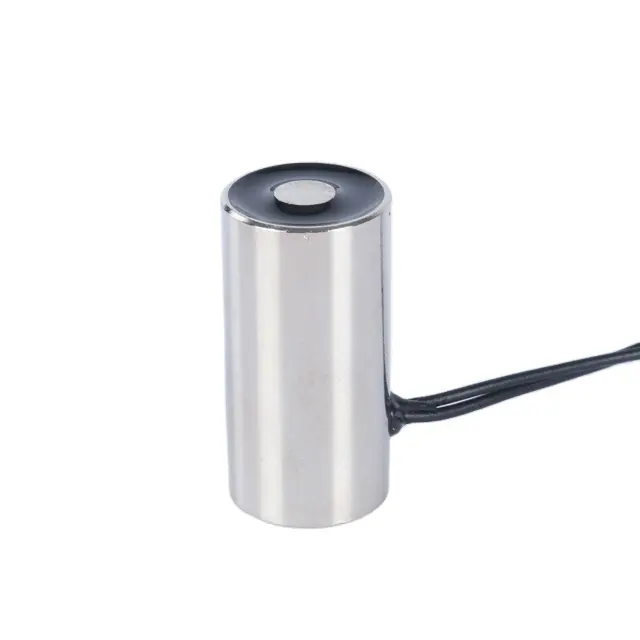
In high-frequency environments, standard grease is often the enemy. It can thicken at cold temperatures or attract dust and debris that accelerates solenoid plunger sticking. We prefer dry lubricants or sealed systems that keep the core environment clean. If you are using a eletroímã personalizado in a dirty or dusty environment, discuss specialized bellows or protective seals with your manufacturer.
8. Electrical Drivers: PWM and the Cure for Buzzing
If your solenoid is buzzing, it is often a sign of insufficient “holding” current or electrical interference. Using a Pulse Width Modulation (PWM) controller not only saves energy but can also be tuned to eliminate the magnetic fluctuations that lead to chatter. A smart Fabricante de solenoides doesn’t just build the coil; they help you integrate the correct driver circuit to ensure the solenoid operates silently.
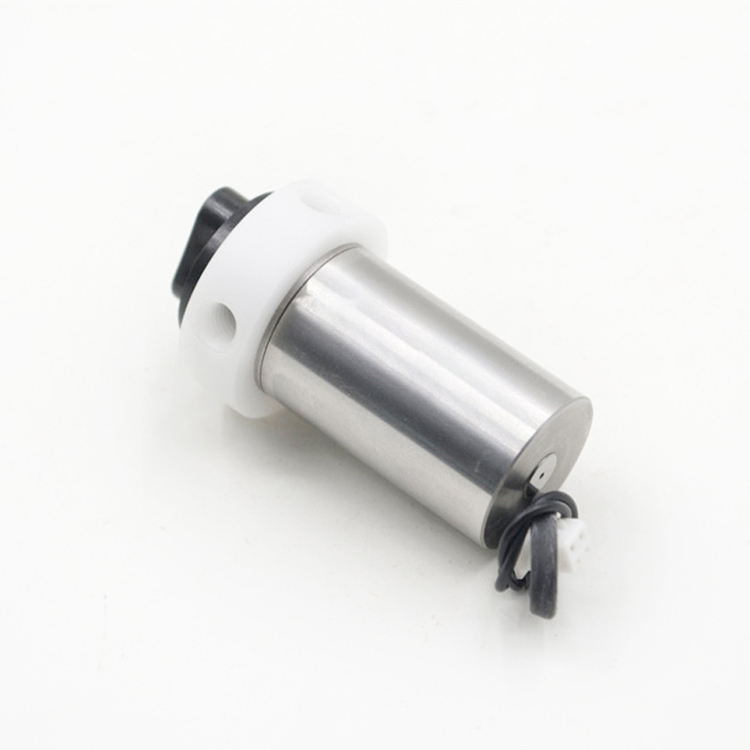
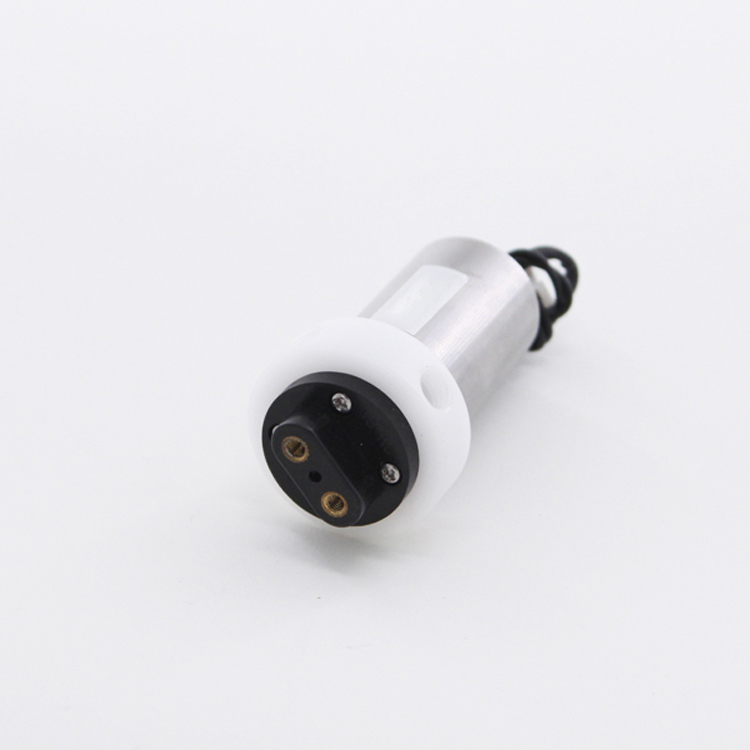
9. How to Select the Right Electromagnet Solenoid for High-Frequency Use
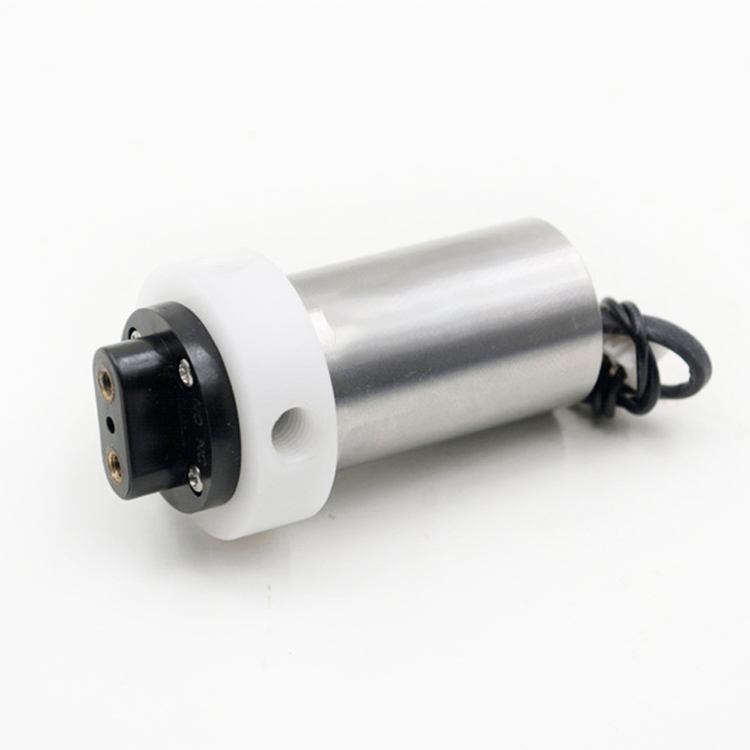
When writing your specification, move beyond just “voltage” and “force.” Ask your supplier for:
Duty Cycle and Frequency ratings: Not just the percentage, but the cycles per minute.
Side-load tolerances: Ensure the mounting allows for zero lateral pressure.
Ambient temperature range: How will the heat affect the internal clearance?
10. How to Evaluate a Solenoid Factory for Quality Consistency
High-frequency reliability is a function of manufacturing consistency. When you visit a fábrica de solenoides, look for:
Automated Assembly: Hand-assembly rarely yields the repeatability needed for 10M+ cycles.
Lifecycle Testing Equipment: Does the factory have rigs that can run 24/7 for days?
Cleanroom Environment: Are the plungers assembled in a clean area to prevent particulate contamination?
11. Testing for Failure: The Importance of FAI (First Article Inspection)
When you receive your prototypes, don’t just test them for 10 minutes. Run them at their maximum rated frequency for 24 hours under real-world load conditions. This “break-in” period will quickly reveal if your solenoid plunger sticking is a risk. Require a test report that logs force output before and after this period.

12. Troubleshooting: Is it the Solenoid or the Installation?
Often, what looks like a failed solenoid is actually an installation failure. If your mounting plate isn’t perfectly flat, you might be warping the solenoid housing, which binds the plunger internally. Always use a laser-aligned mounting process for high-speed equipment to ensure the plunger path is perfectly straight.
13. The Value of Partnering with an Experienced Solenoid Manufacturer
You don’t just need a part; you need a solution. With our experience exporting to over 60 countries, SF understands the diverse regulatory and environmental requirements of global brands. We don’t just follow blueprints; we look for potential failure points in your design and offer “DFM” (Design for Manufacturing) feedback to prevent issues before they hit the assembly line.
14. Customization: The Shortcut to Reliability
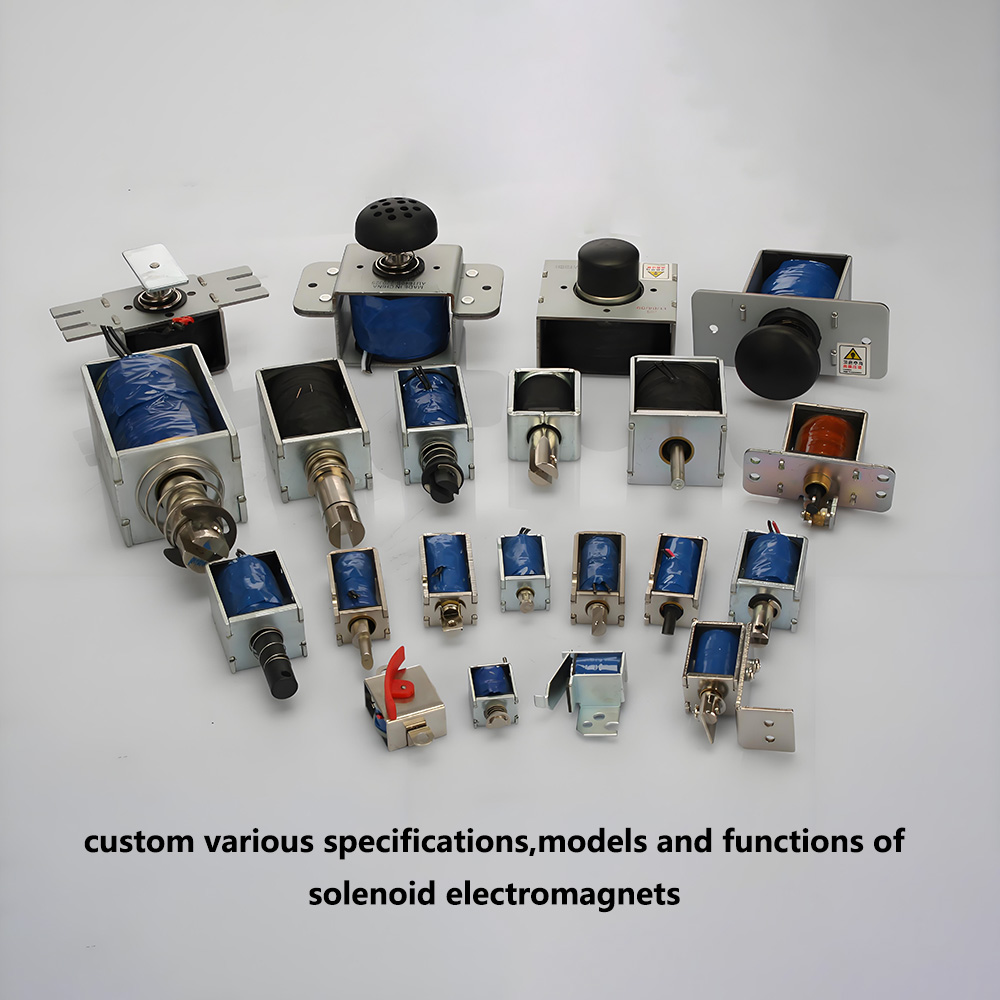
Off-the-shelf solenoids are designed for general use, not for your specific machine’s vibration profile or speed requirements. By choosing a eletroímã personalizado from SF, you can specify the exact plunger material, coating, and spring tension needed to guarantee silence and smooth operation. Customization, in the long run, is significantly cheaper than the downtime caused by a generic failure.
15. Your Next Step Toward Failure-Free Automation
Don’t wait for your production line to go silent or start buzzing uncontrollably. The key to performance is preparation. Whether you are in the design phase or troubleshooting an existing machine, our engineers at SF are ready to help. From optimizing your magnetic circuit to selecting the perfect dry-film lubricant, we provide the technical expertise that turns “problematic” solenoids into long-term reliable assets.
Trust SF for Your High-Frequency Applications
Performance is not an accident—it is a result of intelligent design and rigorous manufacturing. If you are struggling with solenoid plunger sticking or noise issues, it’s time to move to a partner who understands the physics behind the failure. As a leading Fabricante de solenoides, SF is committed to helping you achieve maximum uptime. Contact our technical team today to discuss your next project and experience the difference of engineering-led manufacturing.
Personalize todos os tipos de eletroímãs, entre em contato com a fábrica de eletroímãs SF whatsapp +86 189 0261 1680