









Last Updated on 2026-05-12 by SolenoidFactory
Introduction: The Core Challenge in Miniature Custom Electromagnets
As electronic devices become increasingly compact, the demand for miniature custom electromagnet e solenoide eletromagnético solutions continues to rise. From smart locks and medical devices to automotive micro-actuators, engineers are under constant pressure to reduce component size while maintaining or even improving performance.
However, one fundamental engineering contradiction remains:
Miniaturization vs. Heat Dissipation
A smaller solenoid means less space for heat dissipation, yet electrical and magnetic performance requirements often demand higher current density. This leads to increased temperature rise, which directly impacts reliability, efficiency, and lifespan.
This article explores how a professional Fabricante de solenoides approaches this challenge, covering principles, design strategies, materials, real-world cases, and how to choose the right fábrica de solenoides partner.
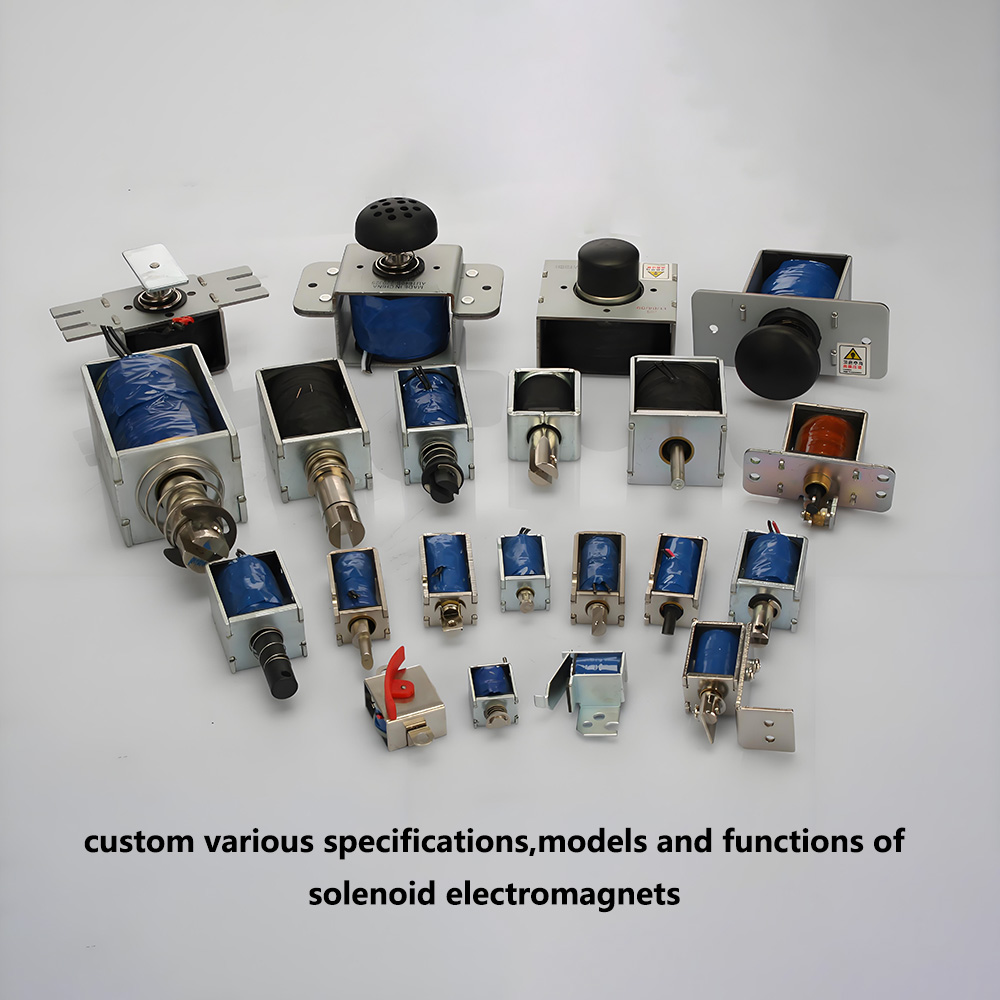
1. Understanding Heat Generation in a Miniature Custom Electromagnet
To solve heat problems, we must first understand the source.
In a eletroímã personalizado, heat is primarily generated from:
- Copper losses (I²R losses) in the coil
- Eddy current losses in magnetic materials
- Magnetic hysteresis losses
- Contact resistance and mechanical friction (minor contribution)
Principais conclusões
In miniature designs, current density increases, which leads to exponential heat growth:
| Fator | Impact on Heat |
|---|---|
| Higher current | Quadratic increase in heat |
| Smaller coil size | Reduced heat dissipation area |
| Compact housing | Trapped thermal energy |
This is why heat management is the most critical engineering challenge in any miniature solenoid design.
2. Why Miniaturization Increases Thermal Risk in Solenoid Design
A compact solenoide eletromagnético inherently suffers from:
- Reduced surface area for convection
- Limited airflow
- Higher thermal resistance
- Heat accumulation inside enclosed structures
Engineering Reality
As size decreases:
- Thermal density increases
- Cooling efficiency decreases
This creates a bottleneck where performance cannot simply scale down with size.
Um profissional Fabricante de solenoides must therefore design for thermal balance, not just electromagnetic performance.
3. Core Principle: Thermal Balance in Custom Electromagnet Design
The goal is not to eliminate heat, but to control and dissipate it effectively.
Thermal Balance Equation
Heat Generated = Heat Dissipated
To maintain safe operation:
- If heat generation increases → dissipation must improve
- If size decreases → efficiency must increase
This is the foundation of all advanced eletroímã personalizado engineering.
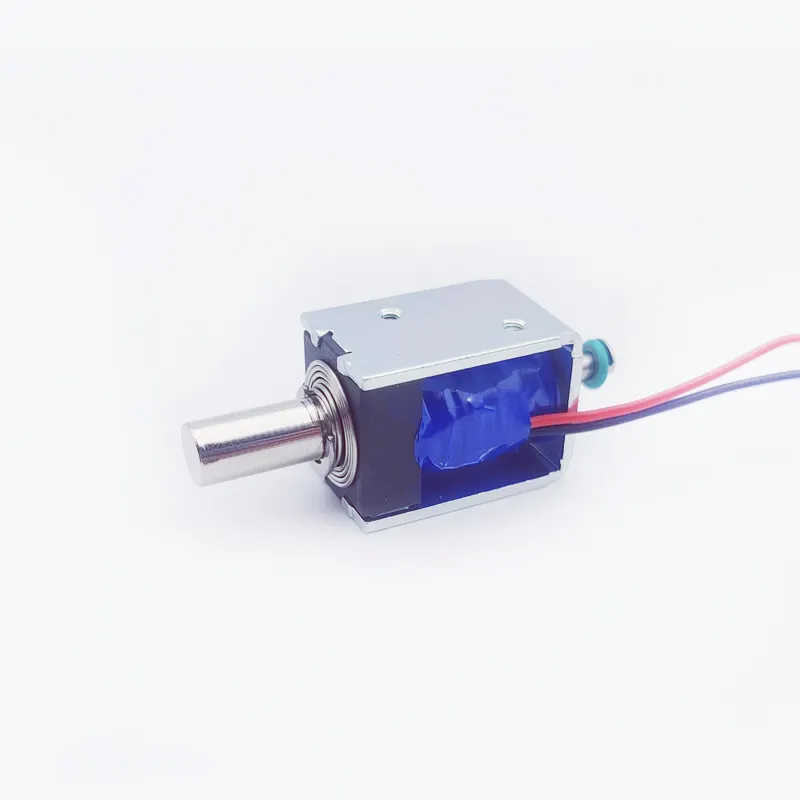
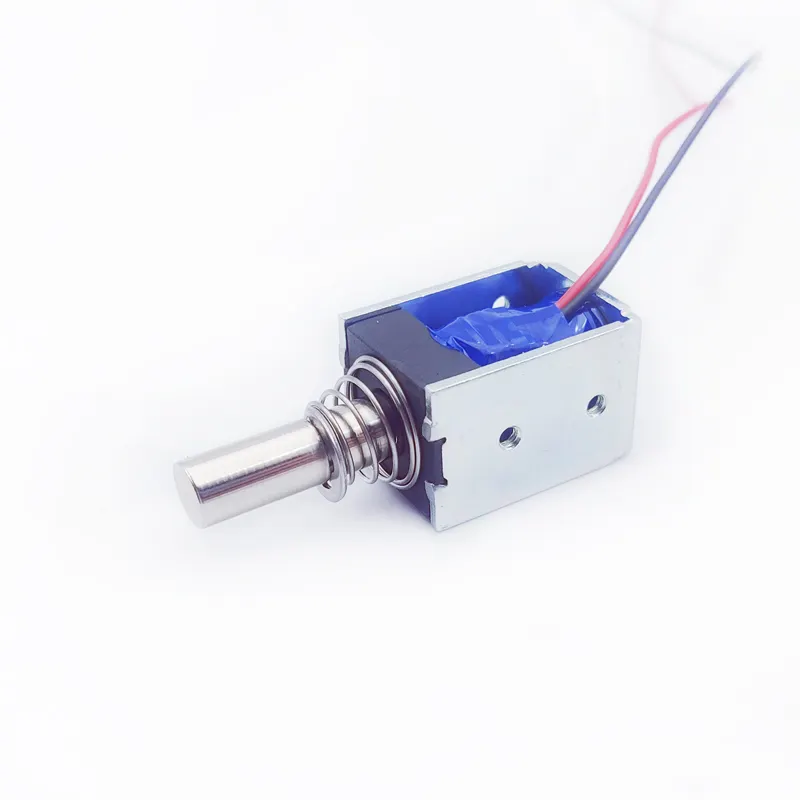
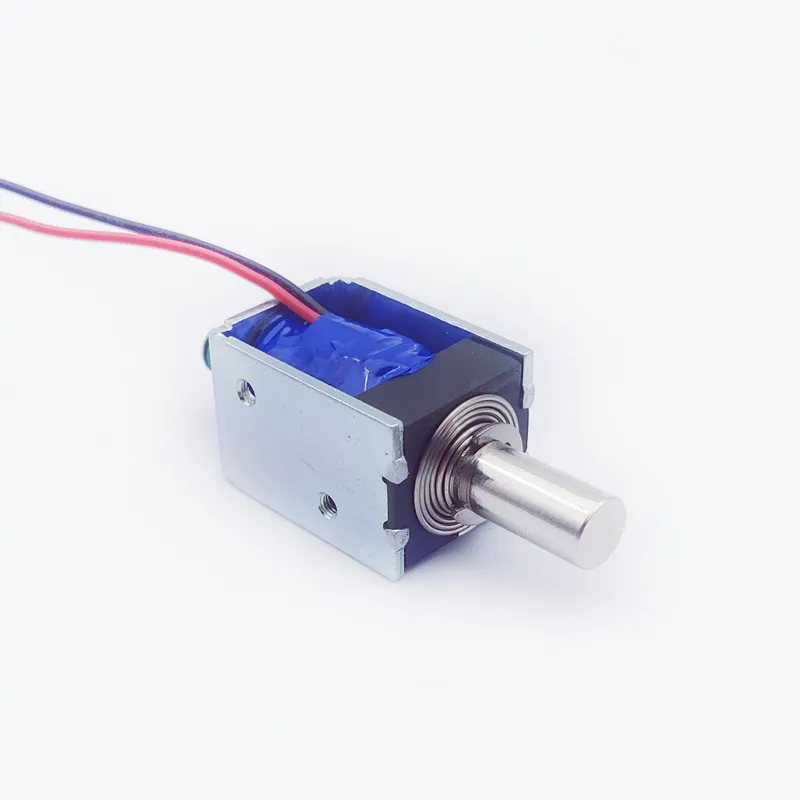
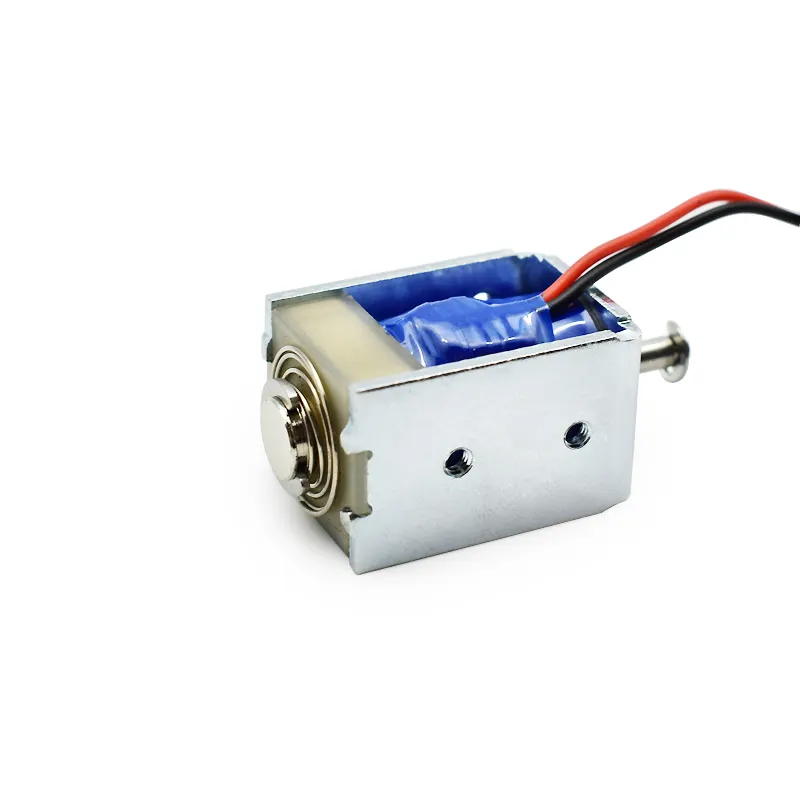
4. Coil Design Optimization for Heat Reduction
The coil is the primary heat source in any solenoide eletromagnético.
Key Optimization Techniques
1. High-Efficiency Winding
- Increase copper fill factor
- Reduce resistance
2. Wire Diameter Optimization
- Thicker wire → lower resistance → less heat
- Trade-off with space constraints
3. Multi-layer Precision Winding
- Improves heat distribution
- Reduces hotspots
Resultado
A well-designed coil can reduce temperature rise by 15–30% without increasing size.
5. Magnetic Circuit Optimization to Reduce Energy Loss
A poorly designed magnetic circuit wastes energy as heat.
Um profissional fábrica de solenoides focuses on:
- High-permeability core materials
- Optimized flux paths
- Reduced air gaps
- Laminated or treated cores to minimize eddy currents
Benefit
Improved magnetic efficiency means:
- Lower current requirement
- Less heat generation
This is one of the most effective ways to improve thermal performance without increasing volume.
6. Advanced Materials for Heat Management
Material selection plays a critical role in thermal control.
Key Materials Used by a Professional Solenoid Manufacturer
| Component | Material Strategy |
|---|---|
| Coil wire | High-temperature enamel copper |
| Essencial | Low-loss soft magnetic alloys |
| Habitação | Aluminum or thermally conductive steel |
| Insulation | High thermal class (Class F, H) |
Using advanced materials allows a eletroímã personalizado to operate safely at higher temperatures.

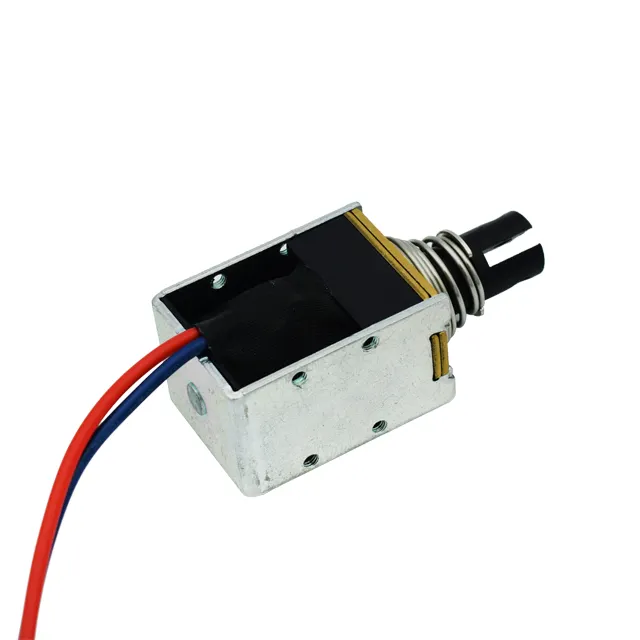

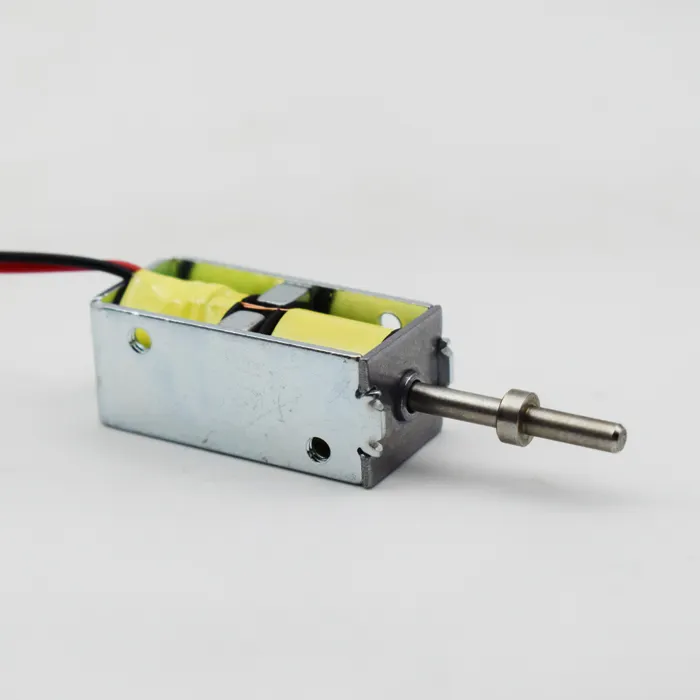
7. Structural Design for Passive Heat Dissipation
Even without increasing size, structure can improve cooling.
Estratégias de design
- Thin-wall housing for better heat transfer
- Internal thermal paths to outer casing
- Direct contact between coil and housing
- Surface texturing for increased radiation
A skilled Fabricante de solenoides integrates thermal design into mechanical structure from the beginning.
8. Duty Cycle Optimization: A Practical Thermal Solution
Not all applications require continuous operation.
Duty Cycle Types
- Continuous duty
- Intermittent duty
- Pulse operation
Strategy
By optimizing duty cycle:
- Heat accumulation is reduced
- Smaller solenoids can handle higher peak loads
This is a widely used technique in miniature solenoid applications.
9. Smart Driving Methods for Thermal Control
Electrical control also affects heat.
Techniques
- PWM (Pulse Width Modulation)
- Peak-and-hold circuits
- Voltage reduction after actuation
Benefit
A eletroímã personalizado can:
- Use high power for actuation
- Switch to low power for holding
This dramatically reduces average heat generation.
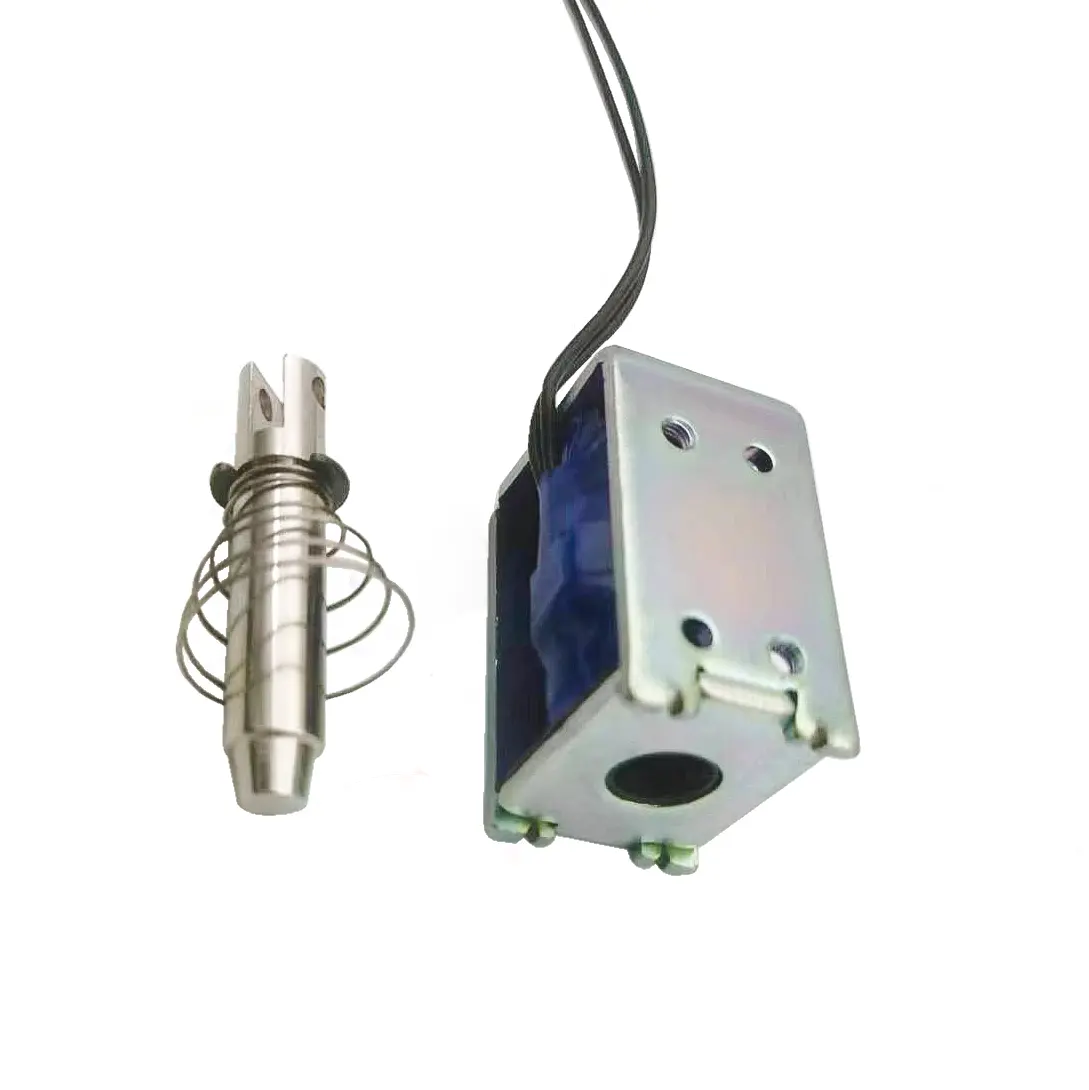
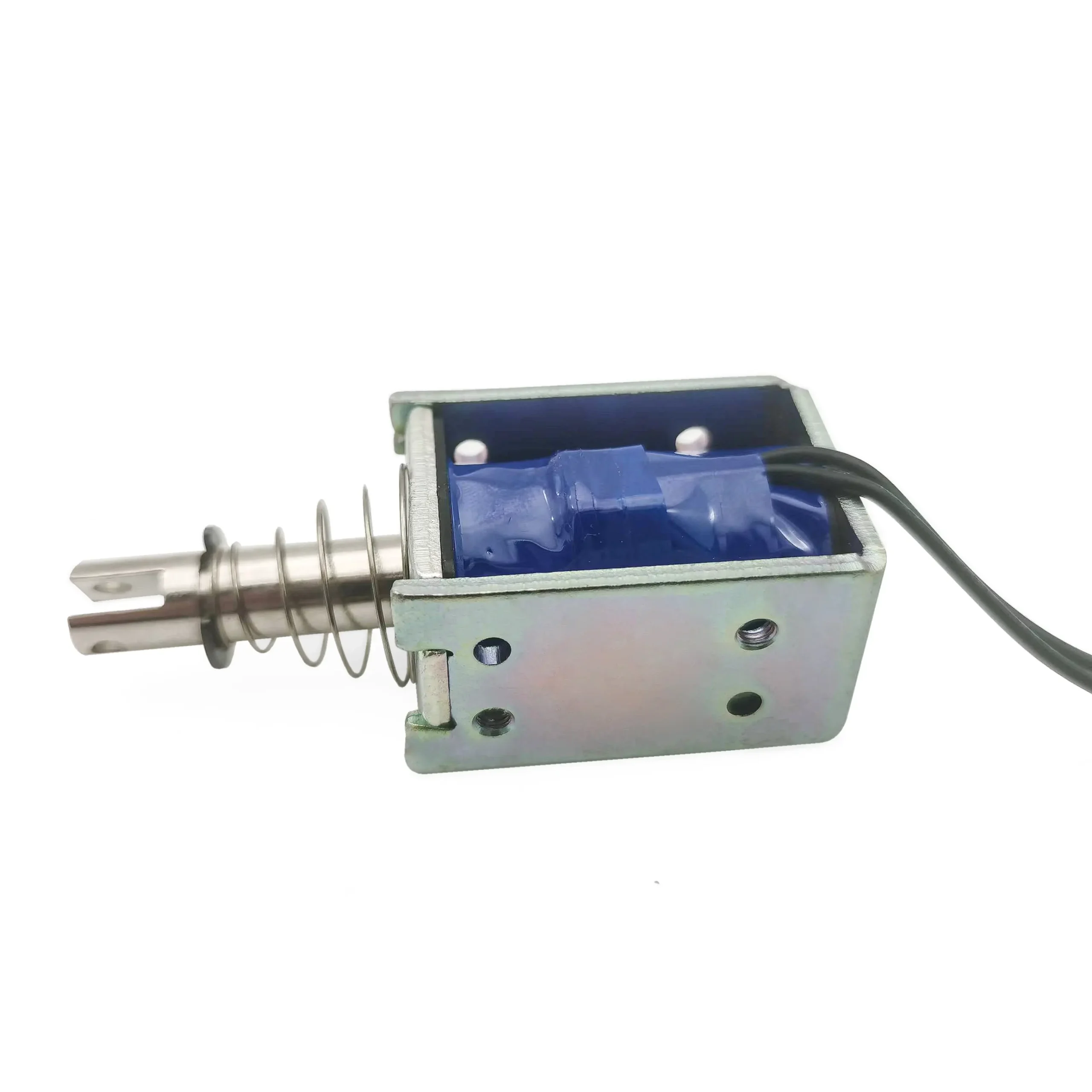
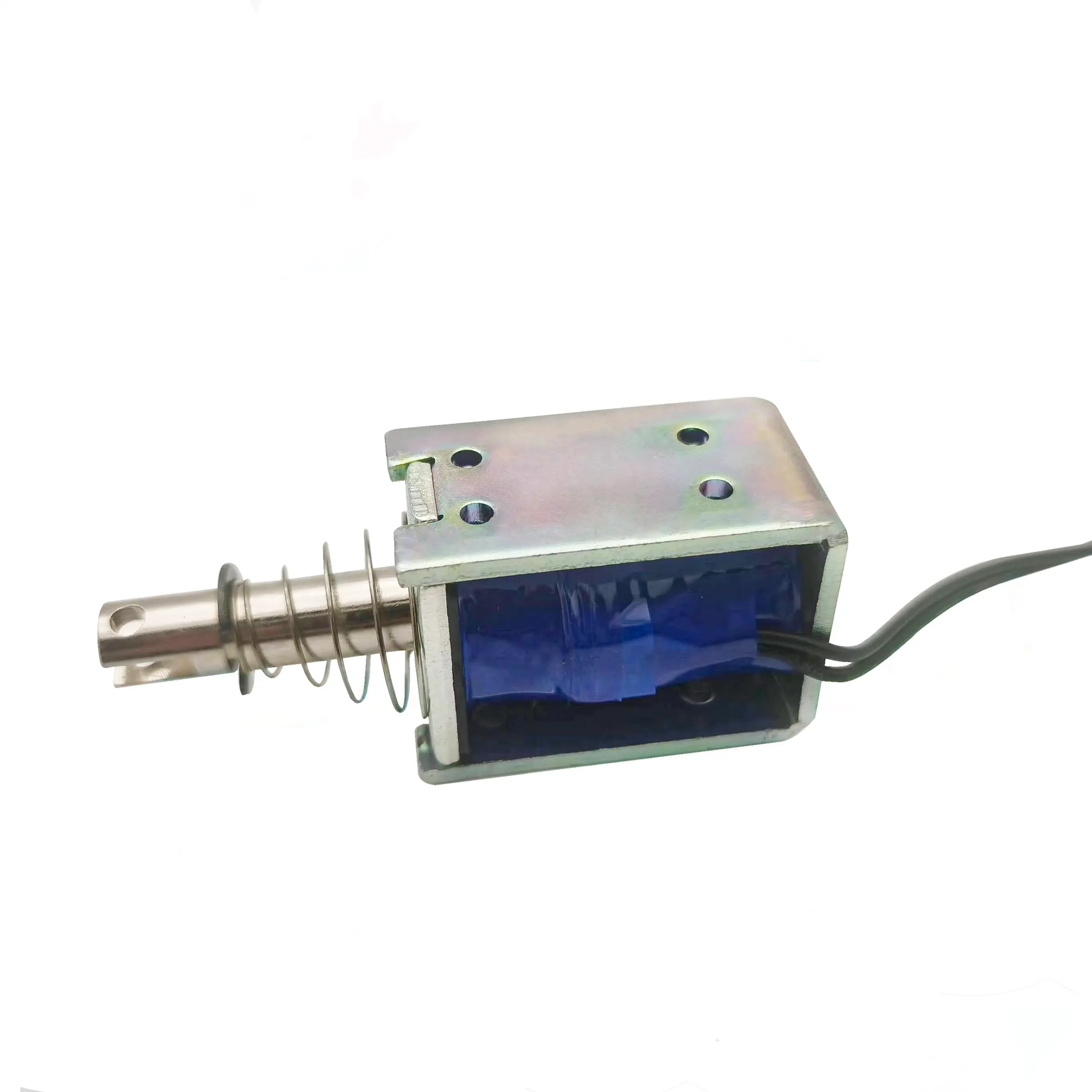

10. Real Custom Case: Miniature Solenoid for Smart Lock System
Desafio
A client required:
- Ultra-compact design
- High force output
- Low temperature rise
Solução SF
Como alguém experiente Fabricante de solenoides, SF:
- Optimized coil winding density
- Improved magnetic path efficiency
- Introduced peak-and-hold driving
- Used high thermal-grade insulation
Resultado
- Temperature reduced by 28%
- Product size unchanged
- Lifecycle exceeded 500,000 cycles
11. Real Custom Case: Medical Device Electromagnet
Desafio
- Operação silenciosa
- Tamanho compacto
- Continuous duty
SF Approach
- Low-loss magnetic materials
- Enhanced thermal conduction path
- Optimized coil resistance
Resultado
Stable operation within strict medical temperature limits.
12. How to Choose the Right Custom Electromagnet for Thermal Performance
Ao selecionar um eletroímã personalizado, Considere:
- Required force vs. stroke
- Ciclo de trabalho
- Temperatura ambiente
- Voltage and power constraints
- Space limitations
Key Recommendation
Always consult a professional fábrica de solenoides early in the design phase.

13. How to Choose the Right Solenoid Manufacturer
Not all suppliers can handle thermal challenges in miniature designs.
Critérios de avaliação
| Fator | Por que é importante |
|---|---|
| Engineering capability | Determines thermal optimization |
| Experiência | Reduces development risk |
| Capacidade de teste | Validates temperature performance |
| Customization ability | Ensures design fit |
| Production stability | Ensures consistency |
Um confiável Fabricante de solenoides should act as an engineering partner, not just a supplier.
14. Why SF Is a Preferred Solenoid Manufacturer for Miniature Designs
SF é um profissional fábrica de solenoides com:
- Mais de 10 anos de experiência in custom electromagnets
- Equipe de engenharia experiente
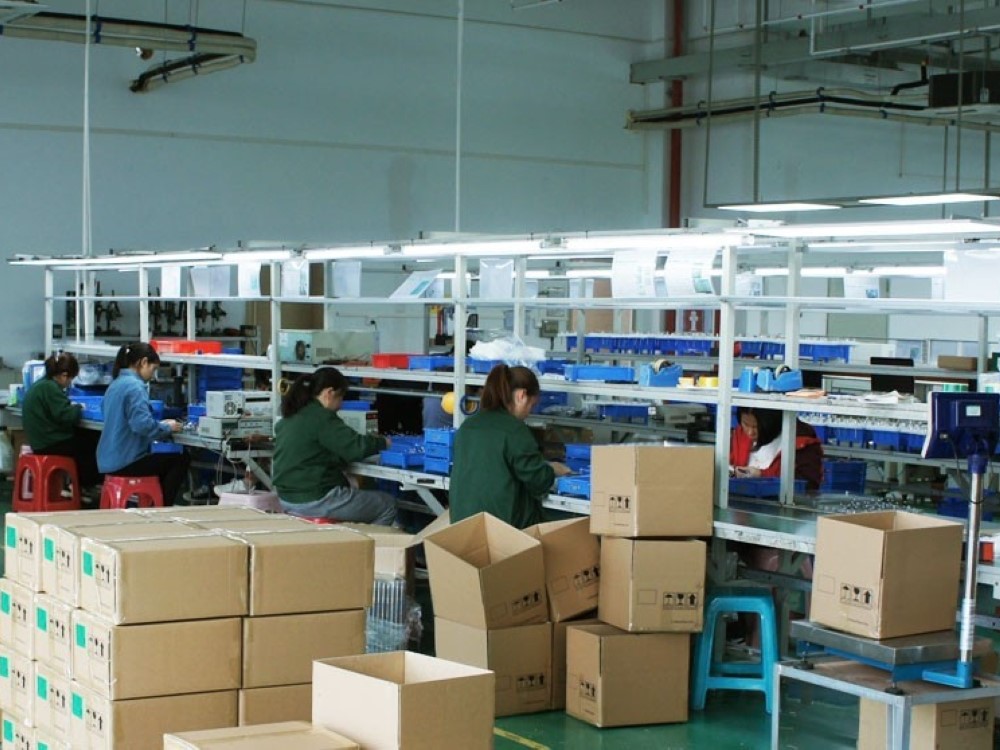
- 6000㎡ manufacturing facility
- Exportar para 60+ countries and regions
- Proven success with global brand customers
SF Core Strengths
- Simulação eletromagnética avançada
- Forte capacidade de personalização
- Stable production capacity
- Strict quality control
SF specializes in solving complex challenges such as miniaturization vs. heat dissipation em solenoide eletromagnético design.
15. Future Trends in Miniature Electromagnet Thermal Design
The industry is evolving toward:
- Higher efficiency magnetic materials
- Smarter electronic control systems
- Integrated thermal simulation
- Ultra-compact high-performance designs
Uma pessoa com visão de futuro Fabricante de solenoides must continuously innovate.
Engineering Balance Is the Key to Miniature Solenoid Success
Managing heat in a miniature custom electromagnet without increasing size is not a single-solution problem. It requires a combination of:
- Coil optimization
- Magnetic design
- Seleção de materiais
- Structural engineering
- Smart driving methods
The most successful designs come from collaboration with an experienced fábrica de solenoides that understands both electromagnetic theory and real-world manufacturing constraints.
With over a decade of expertise, SF continues to help global customers achieve optimal performance in compact designs, making it a trusted Fabricante de solenoides for high-performance custom electromagnet solutions.
Personalize todos os tipos de eletroímãs, entre em contato com a fábrica de eletroímãs SF whatsapp +86 189 0261 1680