









Introdução: Uma falha comum, porém crítica, no projeto de solenoides eletromagnéticos
Em aplicações práticas de engenharia, um dos problemas mais frequentes e mal compreendidos é solenoide eletromagnético O problema geralmente ocorre quando o sistema falha no início do movimento. Engenheiros frequentemente relatam que o solenoide "não se move", "trava no início" ou "requer uma tensão mais alta para iniciar".“
Na maioria dos casos, a causa principal não é a potência insuficiente, mas sim uma incompatibilidade entre a curva força-curso do solenoide e do requisitos de carga do aplicativo.
Este artigo explora essa questão sob uma perspectiva profissional, analisando a física, os desafios de projeto e as soluções práticas. Também explica como é trabalhar com um profissional experiente. Fabricante de solenoides Assim como o SF pode evitar esses problemas em projetos personalizados.
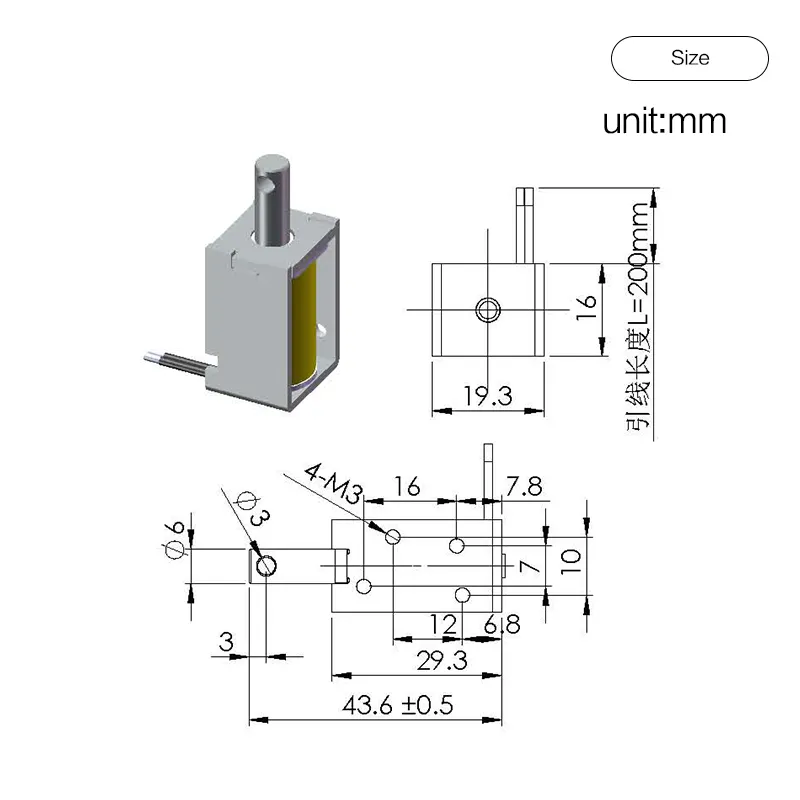
1. O que é uma curva força-curso em um eletroímã personalizado?
O curva força-curso representa como a força de saída de um eletroímã personalizado As mudanças ocorrem conforme o êmbolo se move ao longo de seu curso.
Principais características
- A força máxima ocorre em curso zero (posição totalmente fechada)
- A força diminui rapidamente à medida que o curso da perna aumenta.
- A curva é não linear e íngreme
Comportamento típico
| Posição de remada | Saída de força |
|---|---|
| 0 mm (início) | Força máxima |
| No meio da braçada | Força moderada |
| Tração completa | Força mínima |
Esse comportamento é fundamental para todos. solenoide eletromagnético desenhos.
2. Por que os solenoides falham no início do curso
Contrariando a intuição, muitos solenoides falham. no início do movimento, não no final.
Causas principais
- A força de carga excede a força inicial disponível.
- O atrito ou a resistência mecânica é muito alto.
- A pré-carga da mola está muito forte.
- O desalinhamento aumenta a resistência.
Principais conclusões
Embora a força teórica seja máxima com curso zero, As condições do mundo real muitas vezes reduzem a força utilizável., levando ao fracasso das startups.
3. A discrepância oculta: curva de carga versus curva do solenoide
Um solenoide não opera isoladamente — ele funciona contra uma carga.
Tipos de carga
- Molas (lineares ou não lineares)
- Cargas gravitacionais
- Atrito mecânico
- Resistência externa
Condição crítica
Para o funcionamento correto:
A força do solenoide deve exceder a força de carga em todos os pontos do curso.
Tabela de comparação
| Fator | Curva do Solenoide | Curva de Carga |
|---|---|---|
| Comportamento | Diminuindo | Frequentemente aumenta |
| Risco | Fraco em golpes longos | Forte no início |
A incompatibilidade ocorre quando essas curvas se cruzam incorretamente.
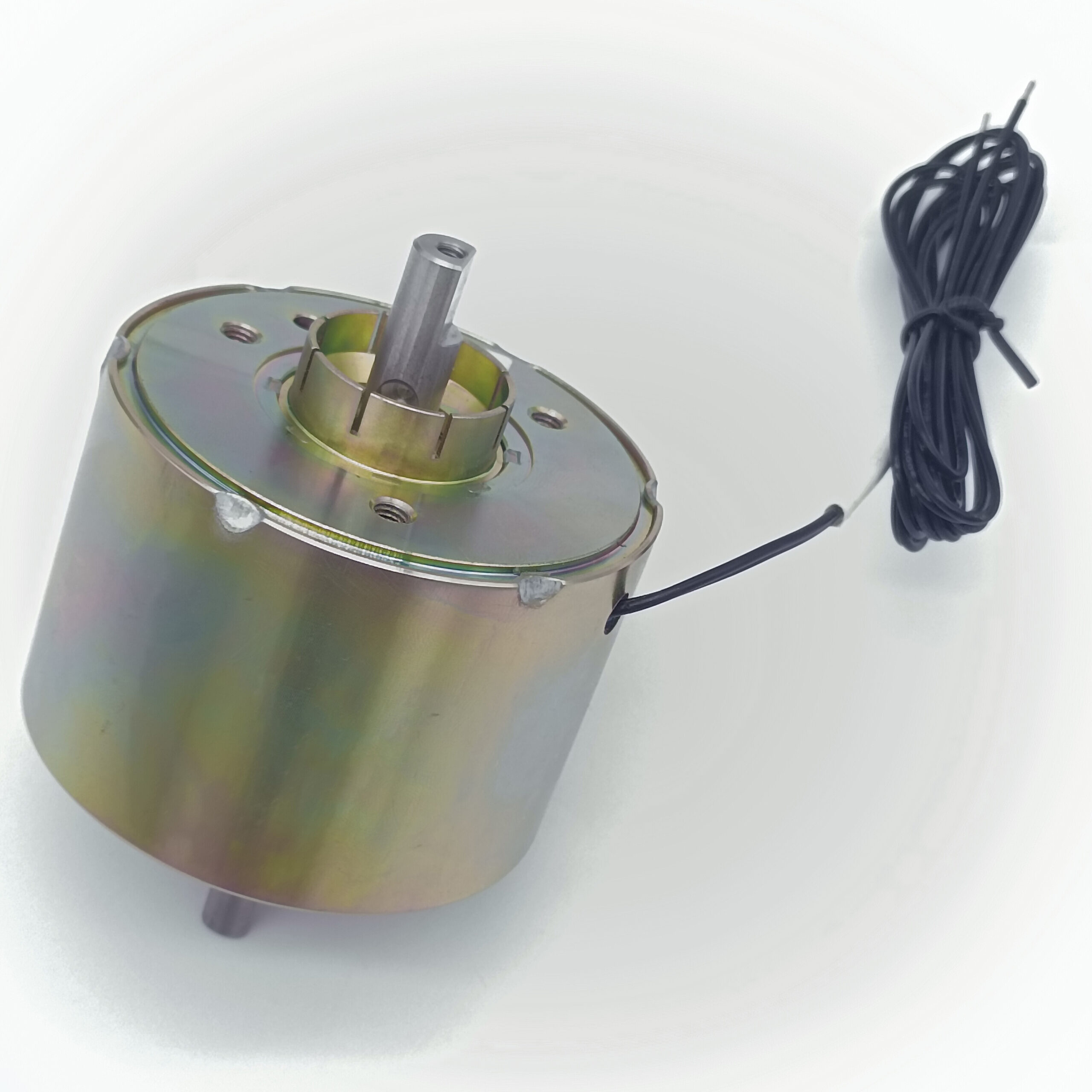
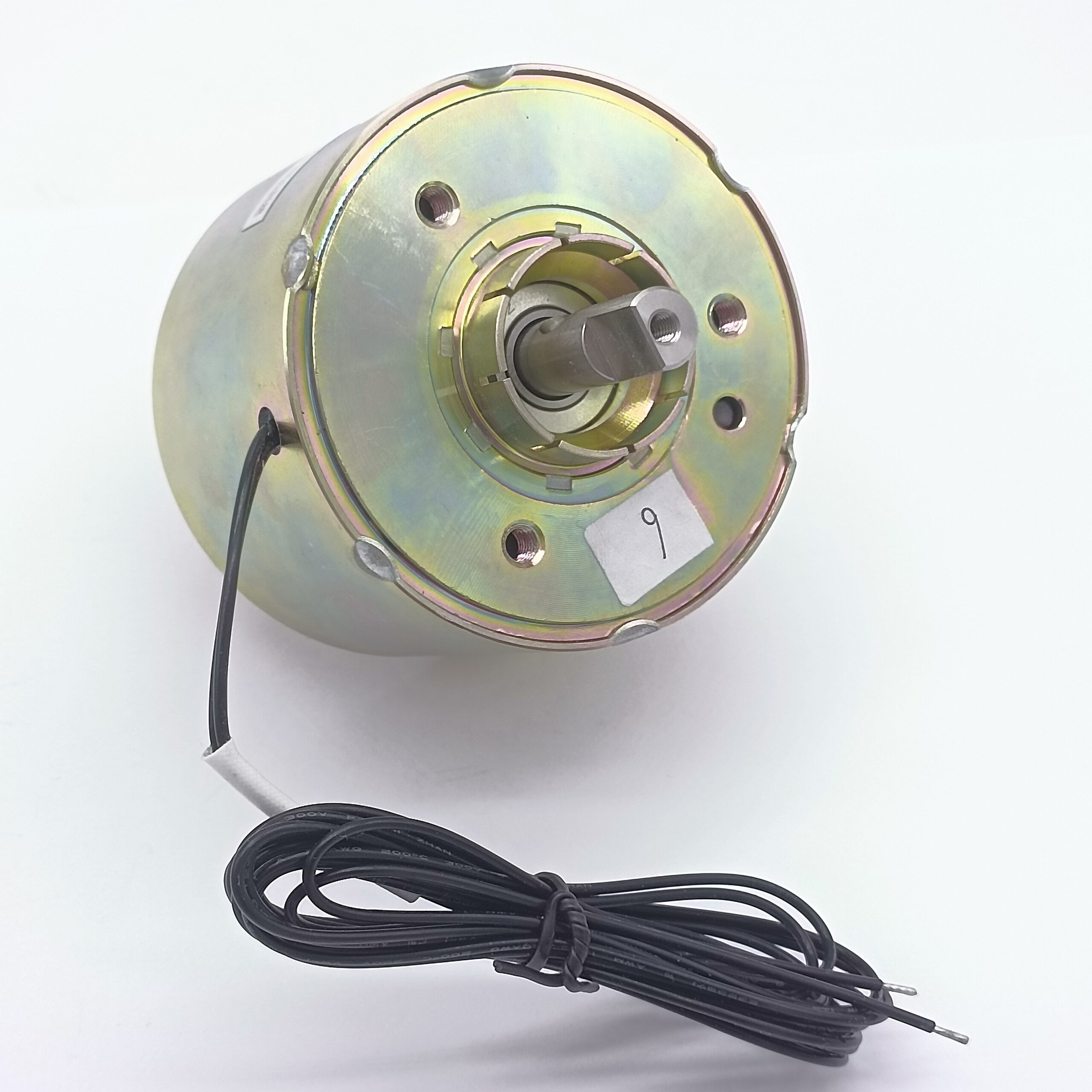
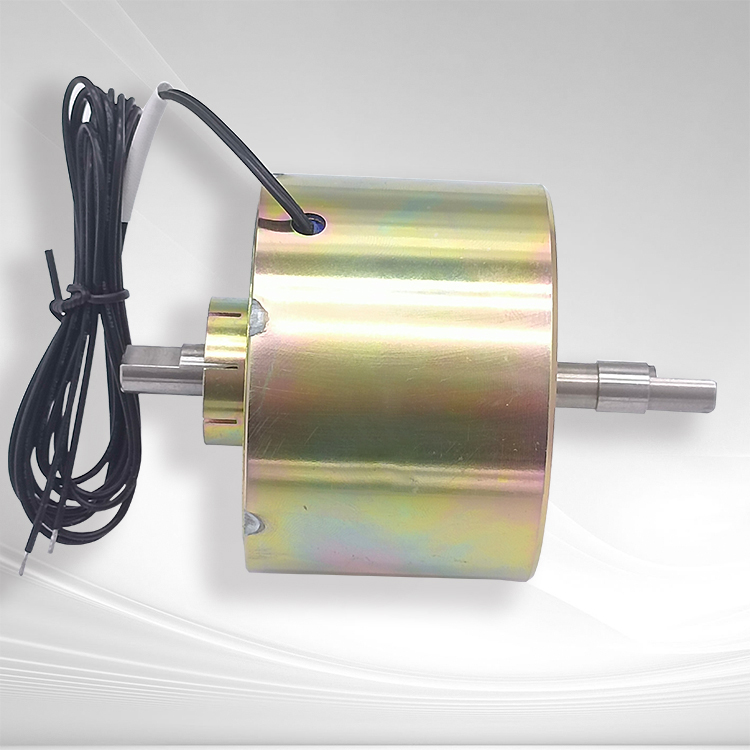

4. A Física Real por Trás da Perda de Força em Sistemas Eletromagnéticos Solenoides
A força magnética depende de:
- distância do espaço de ar
- densidade de fluxo magnético
- Propriedades do material principal
Informações essenciais sobre a fórmula
A força magnética é inversamente proporcional ao quadrado do entreferro:
F ∝ 1 / (gap²)
Isso explica por que a força diminui drasticamente à medida que o curso aumenta.
Um profissional fábrica de solenoides É preciso projetar levando em conta essa limitação física.
5. Erros comuns de projeto que levam à incompatibilidade entre força e curso
Muitos fracassos decorrem de erros de projeto evitáveis.
Erros típicos
- Escolher o solenoide com base apenas na força máxima
- Ignorando o atrito inicial
- Ignorando a pré-carga da mola
- Utilizando produtos padrão em vez de eletroímã personalizado projeto
Lição de Engenharia
Sempre analise o golpe inteiro, não apenas um ponto.
6. Papel do Atrito e da Resistência Mecânica
Em sistemas reais, o atrito desempenha um papel fundamental.
Fontes de Atrito
- Trilhos-guia
- Focas
- Desalinhamento
- rugosidade da superfície
Impacto
O atrito aumenta efetivamente a força inicial necessária.
Um confiável Fabricante de solenoides Leva em consideração as margens de atrito durante o projeto.
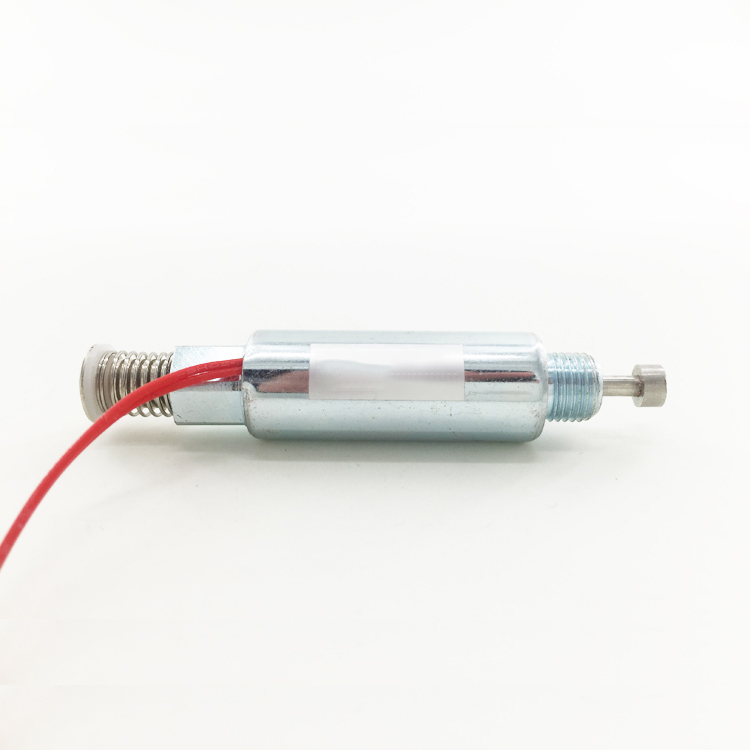
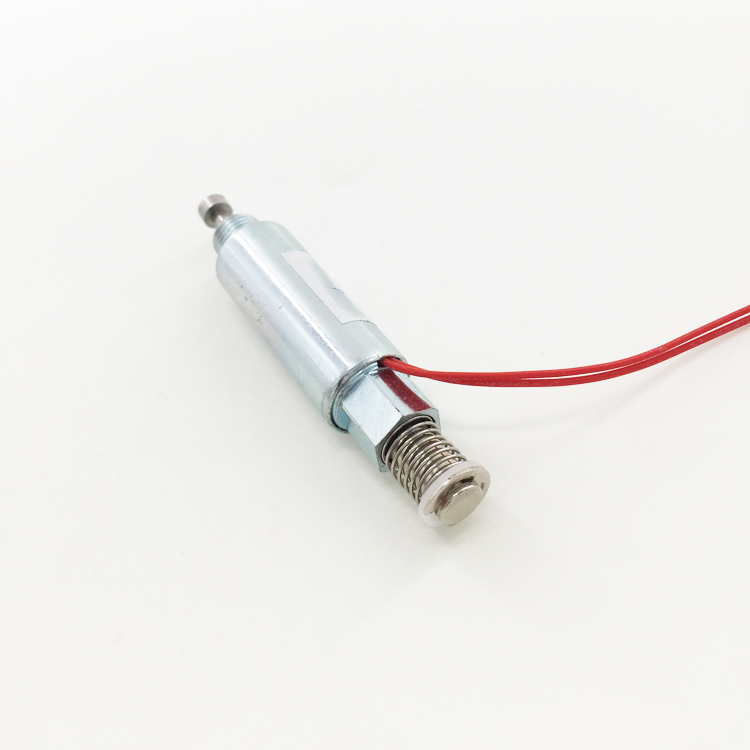
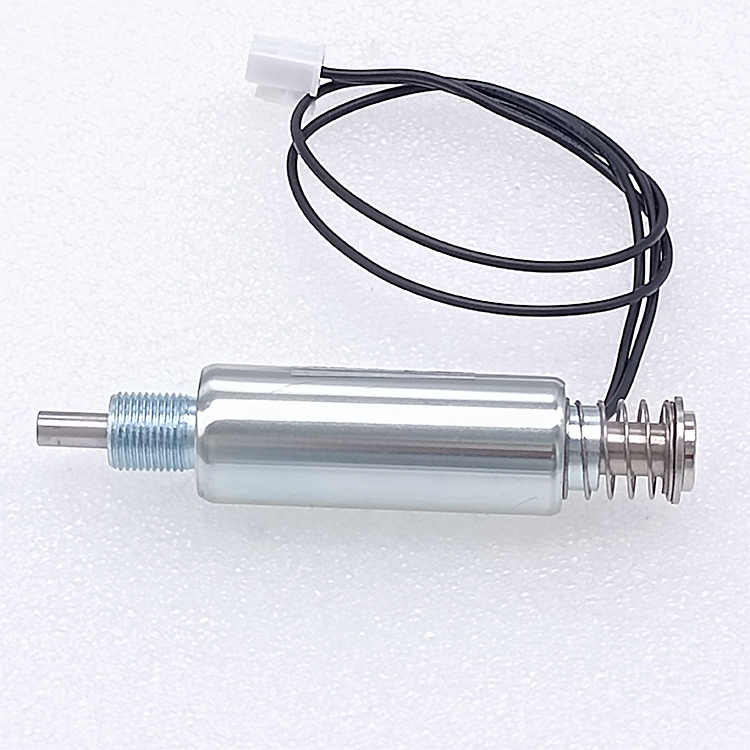
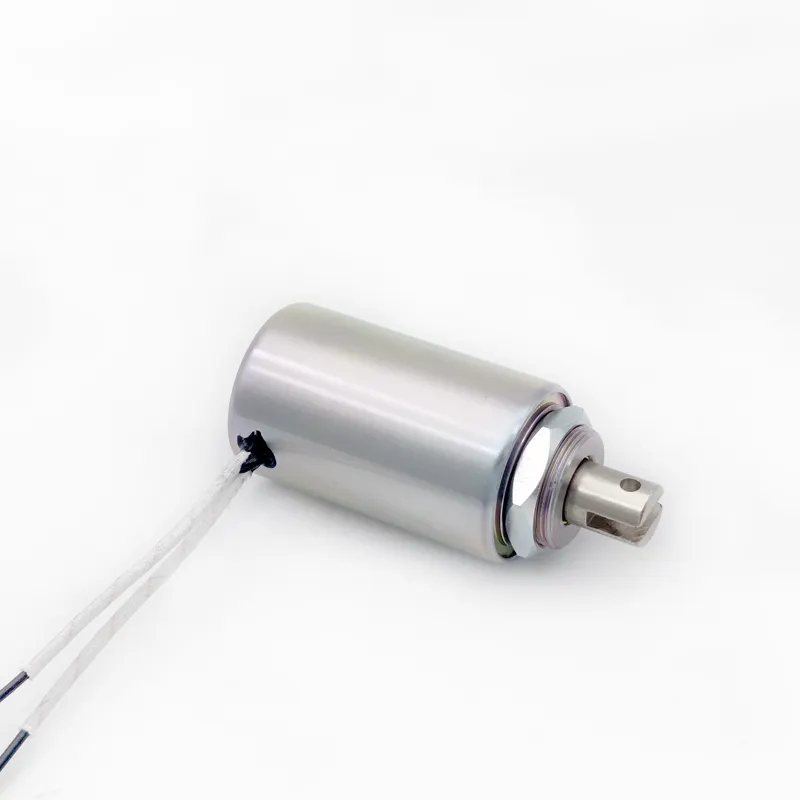
7. Interação da força da mola em sistemas de solenoides
As molas são comumente usadas, mas frequentemente mal compreendidas.
Comportamento da Primavera
- A força aumenta com a compressão.
- Pode exceder a força do solenoide em pontos críticos.
Cenário do Problema
Uma mola de pré-carga forte pode impedir completamente o movimento do solenoide.
Solução
Força da mola de equilíbrio com curva de força do solenoide.
8. Fatores elétricos que afetam a força inicial
A entrada elétrica afeta diretamente a força produzida.
Fatores-chave
- queda de tensão
- Corrente insuficiente
- Resistência da bobina
- Limitações da fonte de alimentação
Visão prática
Mesmo um bem projetado solenoide eletromagnético Pode falhar se as condições elétricas não estiverem otimizadas.
9. Soluções de engenharia para a discrepância entre as curvas força-curso
1. Design de bobina personalizado
Otimize o número de voltas, o diâmetro do fio e a resistência.
2. Otimização de circuitos magnéticos
Melhorar a eficiência do fluxo e reduzir as perdas.
3. Redução de AVC
Curso mais curto aumenta a força disponível.
4. Redução de carga
Minimize o atrito e a força da mola.
5. Redesenho Mecânico
Ajuste a geometria da articulação para uma melhor transferência de força.
Um profissional fábrica de solenoides combina essas estratégias.
10. Estratégia de projeto avançada: Alinhamento de curvas em vez de maximizar a força
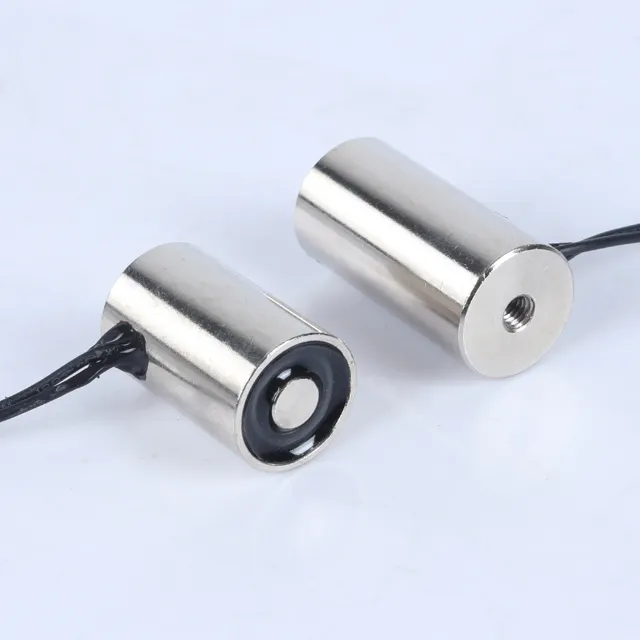
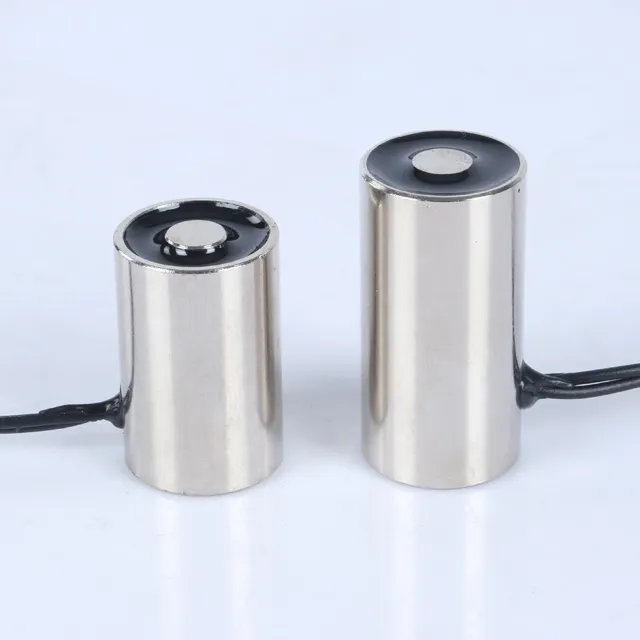
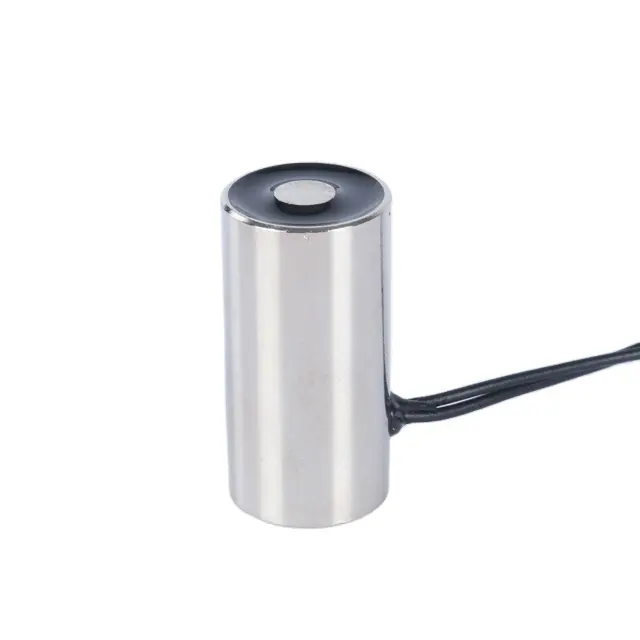
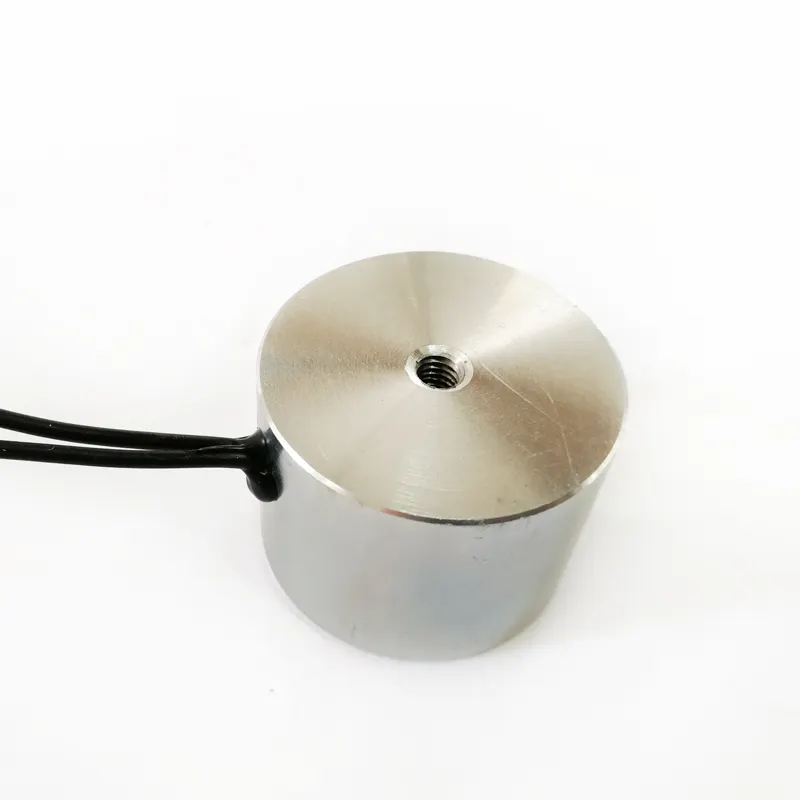
O objetivo não é a força máxima, mas distribuição correta da força.
Condição ideal
- A curva do solenoide permanece sempre acima da curva de carga.
- Margem de segurança incluída
Conceito de visualização
Imagine duas curvas:
- Se elas se cruzarem → falha
- Se separados → operação confiável
11. Caso real personalizado: Falha no solenóide da fechadura inteligente
Problema
Uma fechadura inteligente não funcionou ao iniciar.
Causa raiz
- Pré-carga de mola elevada
- Força inicial insuficiente
Solução SF
Como profissional Fabricante de solenoides, SF:
- Bobina redesenhada
- Força da mola reduzida
- Estrutura do êmbolo otimizada
Resultado
- Atuação confiável
- Consumo de energia reduzido
- Ciclo de vida prolongado
12. Caso personalizado real: Atuador para equipamento industrial
Desafio
- Requisito de curso longo
- Carga elevada no início.
Solução
SF implementado:
- Circuito magnético de alta eficiência
- Espaço de ar reduzido
- Curva de força otimizada
Resultado
Funcionamento estável em todo o curso.
13. Como escolher o eletroímã personalizado certo
Principais considerações
| Fator | Importância |
|---|---|
| Curva de força versus curso | Crítico |
| Ciclo de trabalho | Afeta o aquecimento |
| Tensão | Determina o desempenho |
| Carga mecânica | Deve ser totalmente analisado. |
Recomendação
Sempre solicite dados da curva força-curso do seu Fabricante de solenoides.
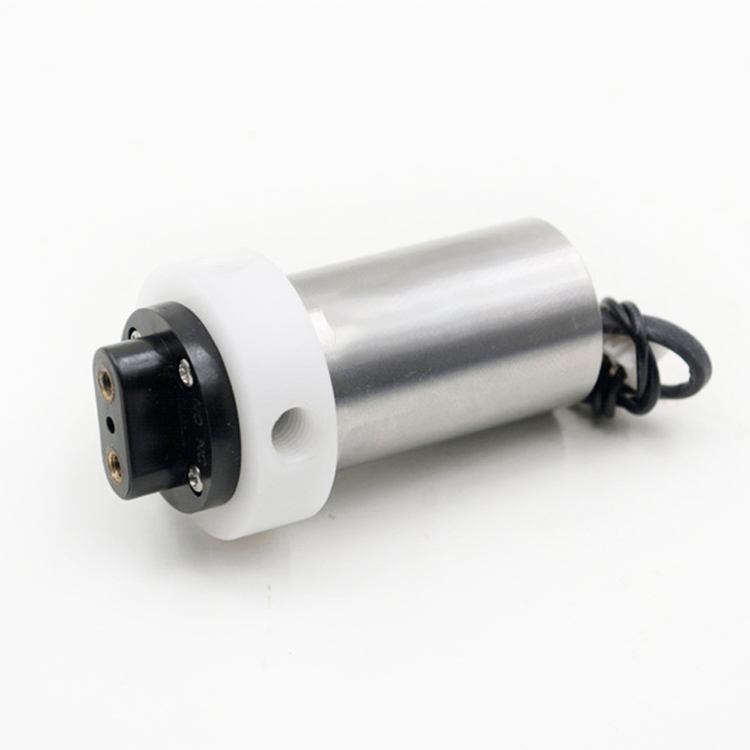
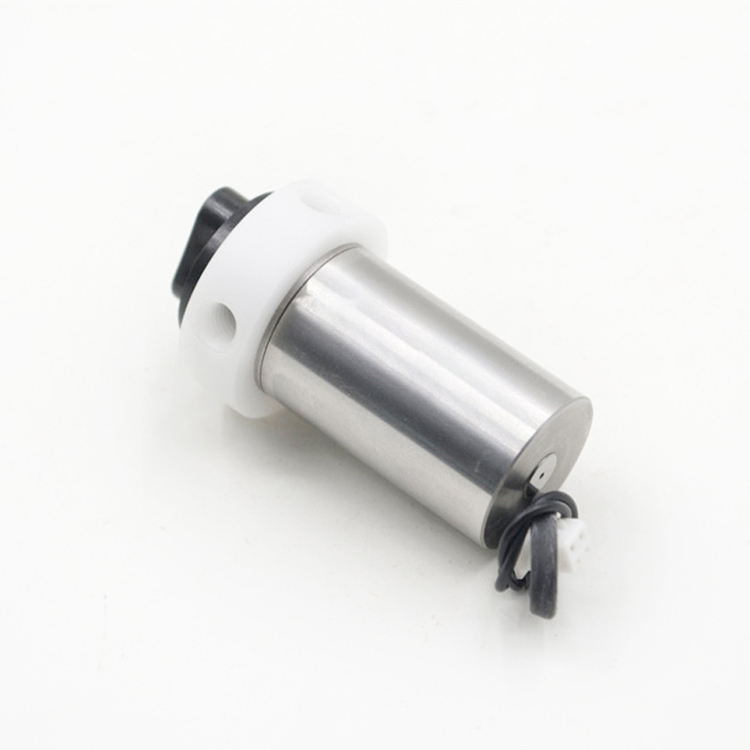
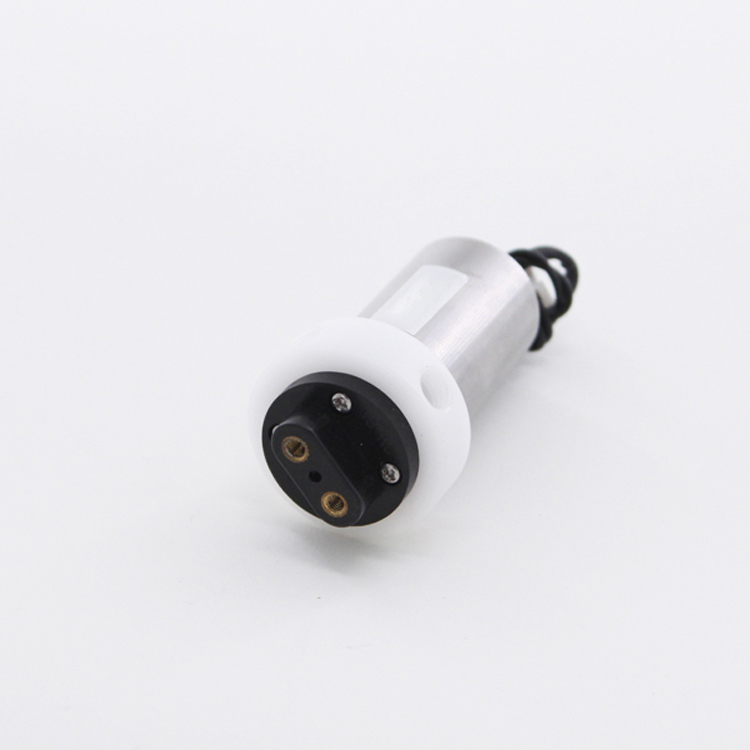
14. Como escolher o fabricante de solenoides certo
Nem todos os fornecedores entendem a correspondência entre força e curso.
Critérios de avaliação
- Conhecimento em engenharia
- Capacidade de simulação
- Experiência de personalização
- Capacidade de teste
- Eficiência na comunicação
Um profissional fábrica de solenoides deve fornecer suporte técnico completo.
15. Por que a SF é a fabricante de solenoides preferida?
SF é um profissional eletroímã personalizado fabricante com:
- Mais de 10 anos de experiência
- Equipe de engenharia experiente
- Instalações de produção de 6000 m²
- Exportar para Mais de 60 países
- Ampla experiência em personalização OEM
Vantagens SF
- Simulação eletromagnética avançada
- Projeto preciso da curva força-curso
- Forte capacidade de personalização
- Qualidade de fabricação estável
A SF se especializa em resolver problemas complexos como discrepância entre força e curso em solenoide eletromagnético sistemas.
16. Tendências Futuras na Otimização do Projeto de Solenoides
O setor está caminhando na direção de:
- Projeto orientado por simulação
- Otimização assistida por IA
- Sistemas de controle inteligentes
- Materiais de alta eficiência
Uma visão de futuro Fabricante de solenoides É preciso se adaptar a essas tendências.

Resolver a discrepância entre força e curso exige precisão de engenharia.
A falha de um solenoide no início do curso não é um mistério — é um resultado previsível de discrepância entre a curva força-curso.
Principais conclusões
- A força do solenoide diminui com o curso do pistão.
- As condições de carga devem ser totalmente analisadas.
- Um projeto adequado requer correspondência de curvas.
- Soluções personalizadas superam os produtos padrão.
Trabalhar com um profissional experiente fábrica de solenoides garante que seu eletroímã personalizado Apresenta desempenho confiável em todas as condições de operação.
Com mais de uma década de experiência, a SF continua a ajudar clientes globais a resolver desafios eletromagnéticos complexos, consolidando-se como uma empresa de confiança. Fabricante de solenoides Para aplicações de alto desempenho.
Personalize todos os tipos de eletroímãs, entre em contato com a fábrica de eletroímãs SF whatsapp +86 189 0261 1680