









Last Updated on 2026-07-08 by Fabbrica di Solenoidi
The Challenge of Power Efficiency in Battery-Operated Electromagnet Systems
As modern devices become increasingly portable, compact, and energy-efficient, the demand for low-power actuation solutions continues to grow. Battery-operated systems such as smart locks, portable medical devices, IoT modules, and consumer electronics rely heavily on custom electromagnet solutions that can deliver reliable performance while consuming minimal energy.
In these applications, the choice between solenoidi di bloccaggio E non-latching solenoids becomes a critical design decision. Selecting the wrong type can lead to excessive power consumption, reduced battery life, overheating, or system failure.
This article explores the principles, trade-offs, and engineering strategies involved in designing elettromagnete solenoide solutions for low-power environments. It also explains how a professional solenoid manufacturer like SF supports OEM customers with optimized designs.
1. Understanding Low-Power Requirements in Battery-Operated Devices
Battery-operated devices impose strict constraints on energy usage.
Key Design Challenges
- Limited power supply capacity
- Need for long battery life
- Thermal limitations
- Compact form factor
Engineering Goal
Deliver required force and motion with minimum energy consumption
A well-designed custom electromagnet must balance power, force, and efficiency.
2. What Is a Latching Solenoid?
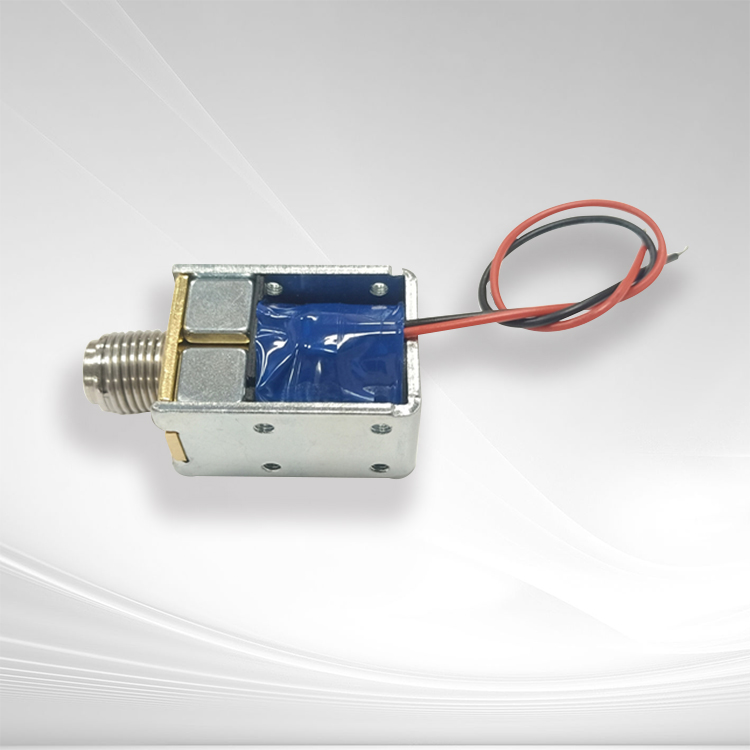
A solenoide di bloccaggio uses a permanent magnet or mechanical latch to hold its position without continuous power.
Caratteristiche principali
- Requires power only during switching
- Maintains position with zero energy
- Typically uses pulse control
Vantaggi
- Extremely energy-efficient
- Ideal for battery-operated systems
- Reduced heat generation
Un professionista fabbrica di solenoidi often recommends latching designs for ultra-low-power applications.
3. What Is a Non-Latching Solenoid?
A non-latching solenoid requires continuous power to maintain its position.
Caratteristiche principali
- Power required for holding state
- Simple design
- Immediate response
Vantaggi
- Easier control
- Lower initial design complexity
- Suitable for short-duration operations
However, in battery-powered systems, continuous power consumption can be a major drawback.
4. Latching vs. Non-Latching Solenoid: Power Consumption Comparison
Power Consumption Table
| Feature | Elettrovalvola di bloccaggio | Non-Latching Solenoid |
|---|---|---|
| Power for actuation | Required | Required |
| Power for holding | Not required | Continuous |
| Energy efficiency | Very high | Moderate to low |
| Heat generation | Low | Più alto |
Key Insight
For battery-operated devices, latching solenoids significantly extend battery life.
5. Thermal Performance in Low-Power Solenoid Design
Heat is directly related to power consumption.
- Minimal heat generation
- Suitable for compact enclosed systems
Non-Latching Solenoids
- Continuous current → continuous heat
- Risk of overheating in small devices
Un professionista solenoid manufacturer must consider thermal limits during design.
6. Force and Performance Trade-Offs
- Slightly more complex structure
- May have lower peak force in some designs
Non-Latching Solenoids
- Strong and consistent force
- Simpler electromagnetic design
Engineering Consideration
The choice depends on whether energy efficiency or force consistency is the priority.
7. Control Circuit Complexity
Solenoidi a ritenuta
- Require pulse control
- May need polarity reversal
- Slightly more complex electronics
Non-Latching Solenoids
- Simple ON/OFF control
- Easier integration
A skilled fabbrica di solenoidi can help optimize control strategies for both types.
8. Applications of Latching Solenoids in Battery Devices
Latching solenoids are widely used in:
- Smart locks
- IoT devices
- Portable medical equipment
- Battery-powered valves
Case Example
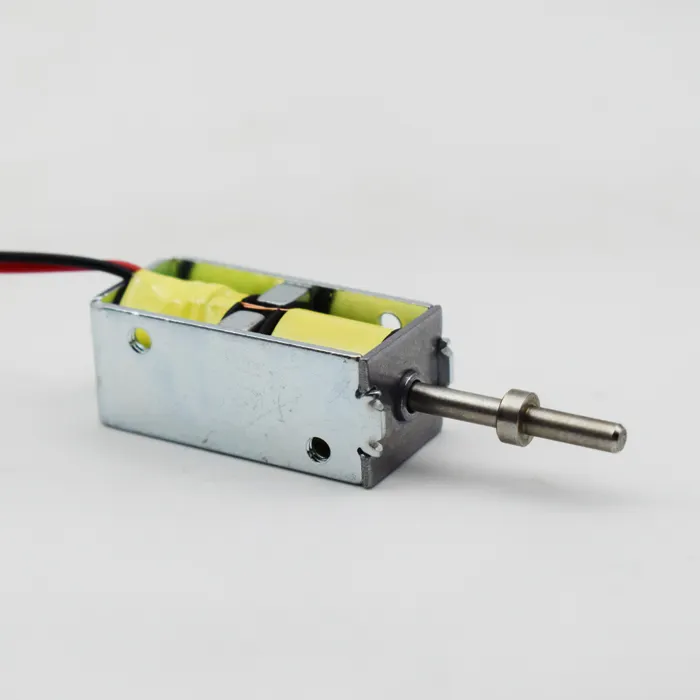
A smart lock system used a custom electromagnet latching solenoid to reduce power consumption by over 80%.


9. Applications of Non-Latching Solenoids in Battery Devices
Non-latching solenoids are suitable for:
- Short-duration actuation systems
- Intermittent control mechanisms
- Devices with sufficient power supply
Case Example
A handheld device used a non-latching electromagnet solenoid for quick actuation with minimal duty cycle.
10. Design Strategies for Low-Power Custom Electromagnets
Un professionista solenoid manufacturer applies several techniques:
Key Optimization Methods
- High-efficiency magnetic circuits
- Low-resistance coil design
- Reduced air gap
- Lightweight moving parts
- Optimized stroke length
These strategies reduce energy consumption while maintaining performance.
11. Smart Driving Techniques for Battery Efficiency
Advanced Control Methods
- PWM (Pulse Width Modulation)
- Peak-and-hold circuits
- Sleep-mode integration
These methods significantly reduce power usage in both latching and non-latching systems.
12. Real Custom Case: Battery-Powered Smart Lock
Sfida
- Limited battery capacity
- High reliability requirement
SF Solution
As an experienced solenoid manufacturer, SF:
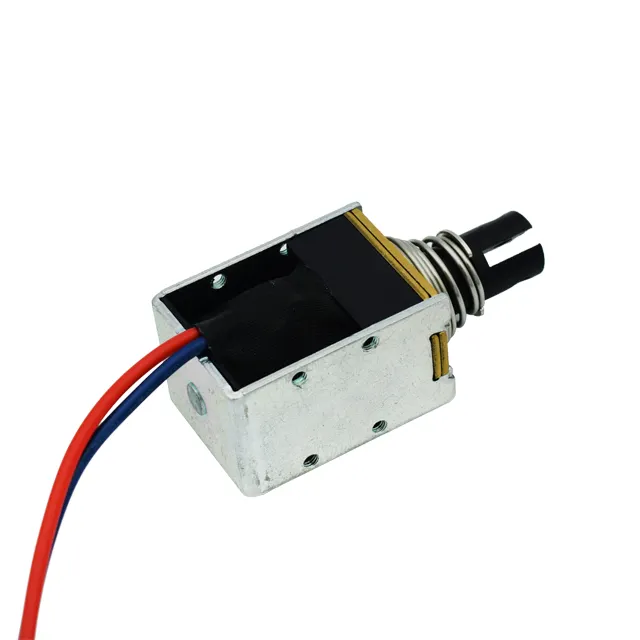
- Designed a latching solenoid
- Optimized magnetic efficiency
- Implemented pulse control
Result
- Battery life increased by 3x
- Stable long-term operation
13. Real Custom Case: Portable Medical Device
Sfida
- Compact size
- Low heat generation
SF Approach
- Custom low-power coil design
- Thermal optimization
- High-efficiency materials
Outcome
Reliable operation within strict thermal limits.
14. How to Choose the Right Custom Electromagnet for Low-Power Applications
Key Selection Criteria
| Factor | Recommendation |
|---|---|
| Battery-powered device | Elettrovalvola di bloccaggio |
| Continuous force required | Non-latching solenoid |
| Thermal constraints | Latching preferred |
| Control simplicity | Non-latching preferred |
Consulting a professional fabbrica di solenoidi is essential for optimal selection.
15. How to Choose the Right Solenoid Manufacturer
Not all suppliers specialize in low-power design.
Evaluation Criteria
- Experience in battery-operated applications
- Engineering capability
- Customization flexibility
- Testing and validation capability
- Production capacity
A reliable solenoid manufacturer ensures optimal performance and efficiency.
16. Why SF Is a Preferred Solenoid Manufacturer for Low-Power Applications
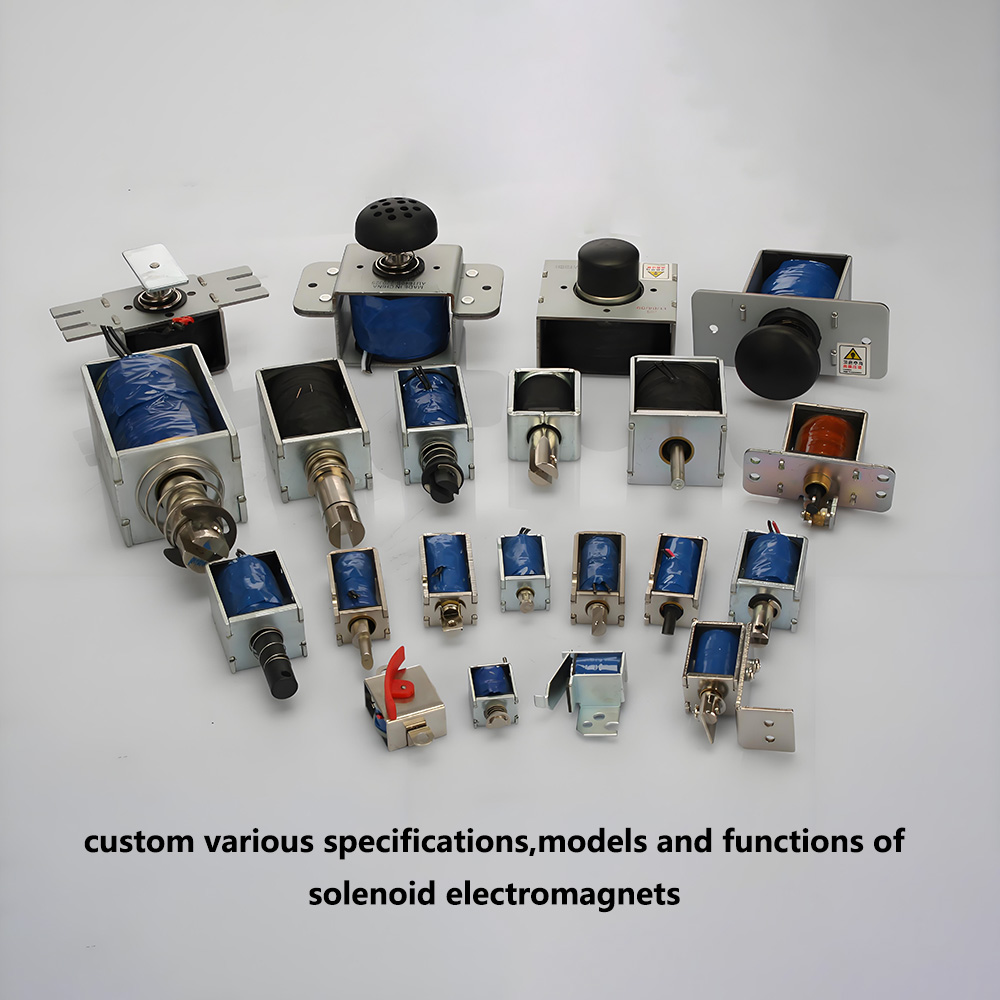
SF is a professional custom electromagnet manufacturer with:
- 10+ years of experience
- Experienced engineering team
- 6000㎡ factory
- Export to 60+ countries
- Extensive OEM customization experience
SF Core Advantages
- Advanced electromagnetic design
- Strong low-power optimization capability
- Stable production capacity
- Strict quality control
SF specializes in designing elettromagnete solenoide solutions for battery-powered devices.
17. Future Trends in Low-Power Solenoid Design
The industry is evolving toward:
- Ultra-low-power electromagnetic systems
- Smart control integration
- Miniaturization with high efficiency
- Hybrid latching technologies
A forward-thinking solenoid manufacturer must continuously innovate.
Latching vs. Non-Latching — Choosing the Right Solution
In battery-operated devices, energy efficiency is the key design constraint.
Key Takeaways
- Latching solenoids offer superior energy efficiency
- Non-latching solenoids provide simplicity and consistent force
- Thermal management is critical in compact designs
- Custom engineering ensures optimal performance
Working with an experienced fabbrica di solenoidi like SF ensures that your custom electromagnet meets both performance and energy efficiency requirements.
With over a decade of experience, SF continues to support global customers as a trusted solenoid manufacturer, delivering high-performance solutions for next-generation battery-powered devices.
Elettromagneti personalizzati di ogni tipo, contattare la fabbrica di elettromagneti SF WhatsApp +86 189 0261 1680