









Ultimo aggiornamento il 04/09/2025 da Fabbrica di Solenoidi
Elettromagneti are critical components in industries ranging from automotive manufacturing to medical devices. While they are designed for durability, their performance and lifespan depend heavily on daily maintenance. Neglecting routine checks can lead to unexpected downtime, safety hazards, and costly repairs. As a professional electromagnet manufacturer, we provide this comprehensive guide to help users implement effective maintenance practices, avoid common pitfalls, and learn from real-world case studies.
1. Daily Maintenance Checklist for Electromagnets
1.1 Visual Inspections
Objective: Identify visible wear, contamination, or misalignment.
Steps:
- Check for Debris: Dust, metal shavings, or liquids can interfere with magnetic fields.
- Inspect Coils and Wiring: Look for frayed wires, loose connections, or discoloration (signs of overheating).
- Examine Armature and Core: Ensure smooth surfaces free from rust, pitting, or scoring.
Caso di studio 1:
A steel mill’s conveyor system failed due to iron dust accumulation on electromagnet cores. Daily compressed air cleaning reduced downtime by 70%.
1.2 Electrical System Checks
Objective: Ensure stable power supply and prevent electrical faults.
Steps:
- Measure Voltage/Current: Use a multimeter to verify input matches specifications (e.g., 24V DC ±10%).
- Test Insulation Resistance: Use a megohmmeter to confirm coil insulation >100MΩ (prevents short circuits).
- Monitor Temperature: Infrared thermometers should show coils <85°C in continuous duty.
Caso di studio 2:
A hospital’s MRI machine suffered intermittent electromagnet failures. Daily voltage logging revealed fluctuations caused by an aging power supply—replaced within 48 hours.
1.3 Mechanical Integrity Tests
Objective: Detect wear in moving parts and mounting systems.
Steps:
- Tighten Fasteners: Bolts should be torqued to manufacturer specs (e.g., 20 N·m for M10 bolts).
- Lubricate Moving Parts: Apply high-temperature grease to sliders, hinges, or bearings.
- Check Air Gaps: Use feeler gauges to maintain gaps within ±0.1mm of design specs.
Caso di studio 3:
A robotic welding arm’s electromagnet dropped parts due to a 0.3mm air gap deviation. Daily gap calibration restored 99% grip reliability.
2. Critical Precautions for Electromagnet Maintenance
2.1 Preventing Overheating
Risks: Insulation degradation, demagnetization, fire hazards.
Precautions:
- Ensure Adequate Cooling: Clean ventilation slots and check fan operation.
- Avoid Overvoltage: Install surge protectors and voltage regulators.
- Limit Duty Cycles: For intermittent-use electromagnets, follow ON/OFF time ratios (e.g., 60 seconds ON, 120 seconds OFF).
Caso di studio 4:
A packaging machine’s electromagnet overheated after 8 hours of continuous use. Adding a PWM controller to reduce hold current lowered temperatures by 30°C.
2.2 Corrosion Prevention
Risks: Reduced magnetic force, mechanical jamming.
Precautions:
- Apply Protective Coatings: Use nickel-plated cores or epoxy seals in humid environments.
- Control Humidity: Store spare electromagnets in silica gel-dry cabinets.
- Use Stainless Steel Hardware: Replace carbon steel bolts with A4-80 grade in corrosive settings.
Caso di studio 5:
A coastal cargo crane’s electromagnets rusted within 6 months. Switching to marine-grade coatings and monthly anti-corrosion sprays extended lifespan to 5+ years.
2.3 Minimizing Mechanical Wear
Risks: Misalignment, noise, and premature failure.
Precautions:
- Install Shock Absorbers: Reduce impact forces in high-cycle applications.
- Use Wear Plates: Add hardened steel plates between moving parts.
- Avoid Side Loading: Ensure forces align with the electromagnet’s axis.
Caso di studio 6:
A stamping press’s electromagnet developed a 2mm side load due to misaligned guides. Realigning guides and adding linear bearings eliminated wear.
3. Specialized Maintenance for Industry-Specific Applications
3.1 Automotive Manufacturing
Challenges: High cycle rates, oil contamination.
Precautions:
- Daily Oil Wipe-Downs: Use lint-free cloths to remove grease from armatures.
- Weekly Coil Impedance Tests: Detect early winding degradation.
Case Study 7:
A car door latch assembly line reduced defects by 40% after implementing daily impedance checks on 200+ electromagnets.
3.2 Medical Devices
Challenges: Sterility requirements, EMI sensitivity.
Precautions:
- Autoclave Compatibility: Use coils with Class H insulation (withstands 180°C).
- EMI Shielding: Inspect braided shielding on cables weekly.
Case Study 8:
A surgical robot’s electromagnet interfered with ECG monitors. Adding ferrite chokes to power lines eliminated EMI.
3.3 Renewable Energy Systems
Challenges: Temperature extremes, vibration.
Precautions:
- Thermal Cycling Tests: Simulate -40°C to 85°C daily to check material stability.
- Vibration Analysis: Use accelerometers to detect resonant frequencies.
Case Study 9:
A wind turbine’s pitch control electromagnet failed in -30°C conditions. Switching to cold-rated lubricants and neodymium magnets solved the issue.
4. Tools and Equipment for Effective Maintenance
4.1 Essential Tools
- Digital Multimeter: For voltage, current, and resistance checks.
- Infrared Thermometer: Non-contact temperature monitoring.
- Torque Wrench: Ensures proper fastener tightness.
4.2 Advanced Diagnostics
- Megohmmeter: Tests insulation breakdown risks.
- Oscilloscope: Analyzes coil current waveforms for anomalies.
- Vibration Analyzer: Detects imbalance or misalignment.
Case Study 10:
A factory used an oscilloscope to diagnose a 10% current ripple in an electromagnet’s driver circuit, traced to a faulty capacitor.
5. Training and Documentation
5.1 Staff Training
- Monthly Workshops: Cover topics like “Identifying Overheating Signs” or “Emergency Shutdown Procedures.”
- Certification Programs: Partner with manufacturers for accredited training.
5.2 Maintenance Logs
- Digital Logs: Use CMMS (Computerized Maintenance Management Systems) to track:
- Daily inspection results.
- Repair histories.
- Replacement schedules.
Case Study 11:
A power plant avoided a $500K outage by analyzing logs showing gradual coil resistance increases, preemptively replacing 10 electromagnets.


6. Emergency Response and Troubleshooting
6.1 Immediate Actions for Failures
- Power Down: Isolate the electromagnet from the power source.
- Lockout/Tagout (LOTO): Prevent accidental re-energization.
- Diagnose: Use the 5 Whys method to identify root causes.
Common Issues and Fixes:
- No Activation: Check for open circuits (common culprits: broken wires, blown fuses).
- Weak Holding Force: Clean armature surfaces or recalibrate air gaps.
- Chattering: Stabilize voltage or replace worn armature pads.
Case Study 12:
A mining elevator’s electromagnet failed mid-operation. Technicians followed LOTO protocols, diagnosed a severed cable, and restored operations in 2 hours.
7. electromagnets Case Studies: Lessons from the Field
7.1 Case Study 13: Aerospace Component Testing
Problem: Electromagnets in a vibration test rig lost 30% force after 1,000 cycles.
Soluzione:
- Daily Maintenance: Replaced aluminum wear plates with tungsten carbide.
- Weekly Testing: Measured magnetic flux density with a Hall effect sensor.
Result: Achieved 10,000+ cycles without degradation.
7.2 Case Study 14: Food Processing Conveyors
Problem: Dairy residue caused corrosion and bacterial growth on electromagnets.
Soluzione:
- Daily Cleaning: Ultrasonic baths with food-grade detergents.
- Monthly Inspections: Swab tests for microbial contamination.
Result: Complied with FDA sanitation standards.
7.3 Case Study 15: Semiconductor Manufacturing
Problem: Static discharge damaged sensitive electromagnet controllers.
Soluzione:
- Daily Grounding Checks: Verified <1Ω resistance to ground.
- ESD-Safe Tools: Used antistatic wipes and wrist straps.
Result: Reduced controller failures by 90%.
8. electromagnets Long-Term Storage and Spare Parts Management
8.1 Storage Best Practices
- Climate Control: Store at 15–25°C and 40–60% humidity.
- De-Energize: Remove batteries or supercapacitors to prevent aging.
- Anti-Corrosion Packaging: Use VCI (Vapor Corrosion Inhibitor) bags.
8.2 Spare Parts Strategy
- Critical Spares: Keep 10% of operational units as backups (e.g., 10 spares for 100 electromagnets).
- Supplier Agreements: Ensure lead times <72 hours for urgent replacements.
Case Study 16:
An automotive OEM saved $1.2M annually by negotiating just-in-time spare deliveries with their electromagnet manufacturer.
electromagnets Proactive Maintenance for Uninterrupted Operations
Daily maintenance of elettromagneti is not just a routine task—it’s a strategic investment in reliability and safety. By implementing the precautions and practices outlined here, you can extend equipment lifespan, reduce downtime, and avoid catastrophic failures.
As your trusted electromagnet partner, we offer customized maintenance plans and 24/7 technical support to keep your systems running smoothly. Remember: A well-maintained electromagnet isn’t just a component; it’s a cornerstone of your operational success.
Informazioni sulla fabbrica di elettromagneti SF
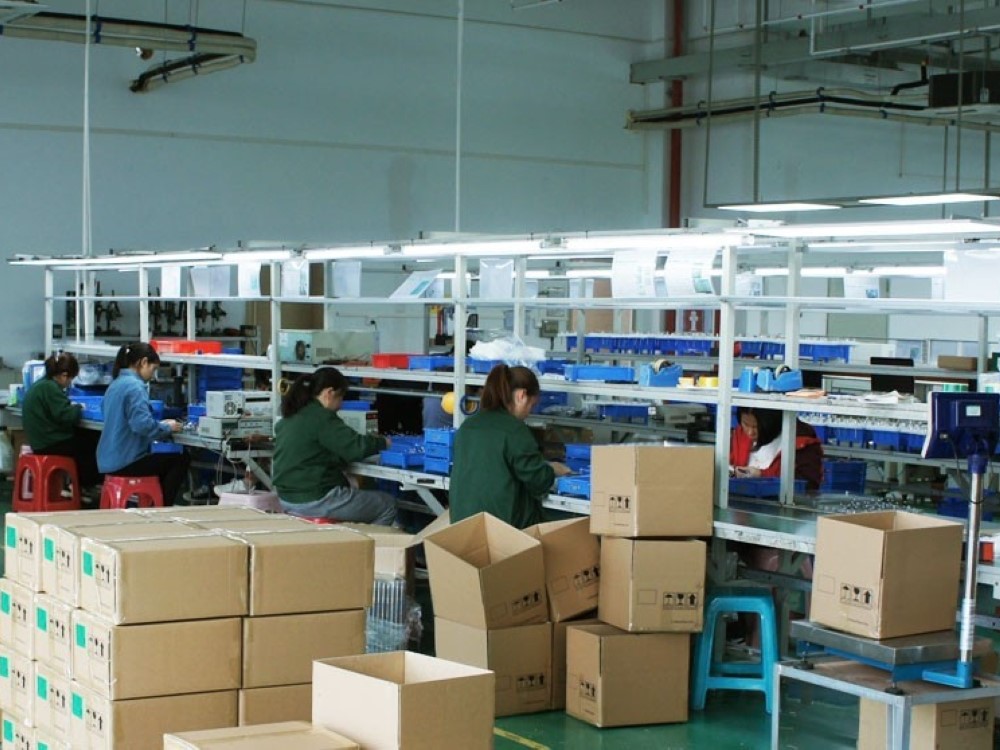
Shengfeng Electromagnet Co., Ltd. è stata fondata nel 2015 e si trova nel Parco Industriale di Xiansha, in una splendida zona con comodi collegamenti di trasporto. L'azienda si estende su una superficie di 16.000 metri quadrati e dispone di moderni impianti di produzione, attrezzature di produzione all'avanguardia e un team tecnico altamente qualificato. Fin dalla sua fondazione, l'azienda ha sempre aderito alla filosofia aziendale di "innovazione, qualità e servizio", concentrandosi sulla ricerca, lo sviluppo e la produzione di elettromagneti, promuovendo costantemente l'aggiornamento dei prodotti e il progresso tecnologico, e fornendo ai clienti prodotti e servizi della migliore qualità.
Perché scegliere un elettromagnete SF
QUALITÀ DI ALTA GAMMA:In qualità di miglior produttore di elettromagneti a solenoide in Cina, il nostro team di controllo qualità garantisce che ogni singolo prodotto ricevuto sia della massima qualità. Disponiamo di attrezzature professionali per i test di qualità.
PROGETTAZIONE DEL PRODOTTO:Il nostro reparto campionatura gestisce l'intero processo di trasformazione dei disegni in realtà. Inoltre, grazie alla nostra pluriennale esperienza, ottimizziamo il design del vostro prodotto. Fateci sapere cosa ne pensate.
TEMPI DI CONSEGNA STABILI:In qualità di produttore e fornitore leader di elettromagneti, disponiamo di una capacità produttiva adeguata: anche di fronte a grandi ordini siamo in grado di garantire consegne puntuali.
MIGLIOR PREZZO:Siamo produttori diretti di elettromagneti e il miglior produttore di solenoidi in Cina; ecco perché possiamo offrire prodotti di alta qualità al miglior prezzo.
GESTIONE PRECISA:Non si può ottenere nulla senza una gestione precisa. Siamo un'azienda dotata di un sistema di gestione completo.
SERVIZIO 24 7 GIORNI SU 24:In qualità di miglior produttore di solenoidi, offriamo una risposta immediata 24 ore su 24, 7 giorni su 7: raccoglieremo il tuo feedback per diventare un fornitore migliore. Contattaci. Bomba +86 18902611680
Domande frequenti sull'elettromagnete
Siamo un top cinese elettromagnete Siamo produttori e la nostra fabbrica si trova a Dongguan. Benvenuti a visitare la nostra fabbrica!
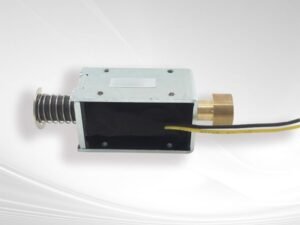
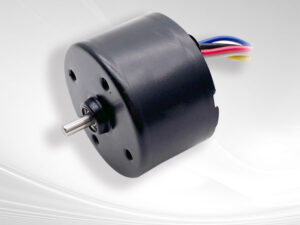
Siamo specializzati nella progettazione e produzione di alta qualità elettromagnete,elettrovalvola,ad esempio elettrovalvola rotante, solenoidi bistabili, solenoidi di bloccaggio, solenoidi a telaio aperto, solenoidi tubolari, solenoide autobloccante
•Naturalmente, di solito forniamo campioni gratuiti e dovrete coprire solo le spese di spedizione. Per campioni di elettromagneti personalizzati, vi preghiamo di inviarci le vostre richieste per verificare il costo del campione.
• La produzione del campione richiede circa 7 giorni.
Sì, offriamo servizi di progettazione gratuiti, tra cui progettazione strutturale e grafica semplice.
Certamente. Possiamo realizzare qualsiasi elettromagnete con il vostro design. Ora offriamo un servizio ODM per solenoidi, ideale per piccole quantità da 100 a 500 pezzi, con la possibilità di personalizzare il prodotto con il vostro logo.
A seconda della quantità dell'ordine e dei dettagli di produzione, ci vorranno circa dai 15 ai 20 giorni.
Sempre un campione di pre-produzione prima della produzione di massa; sempre un'ispezione finale prima della spedizione.
• Potenza, utilizzo, dimensioni, materiale, quantità, destinazione di spedizione, ecc.
• Puoi anche semplicemente comunicarci le tue esigenze e ti consiglieremo i prodotti più adatti.
• Via mare, via aerea o tramite corriere espresso.
• Se disponete di un vostro spedizioniere in Cina, il prezzo è quello franco fabbrica o FOB.
•CFR o CIF, ecc., se avete bisogno che spediamo per vostro conto.
• È possibile utilizzare anche DDP e DDU.
• Più opzioni, prenderemo in considerazione le vostre scelte.
• Il prezzo è determinato dalla quantità, dal materiale, dal metodo di lavorazione, dalle dimensioni e da altri fattori. Inoltre, a causa del nostro continuo
Grazie all'innovazione tecnologica, i prezzi di alcuni dei nostri prodotti sono estremamente competitivi. Contattateci per un preventivo.