









Ultimo aggiornamento il 04/09/2025 da Fabbrica di Solenoidi
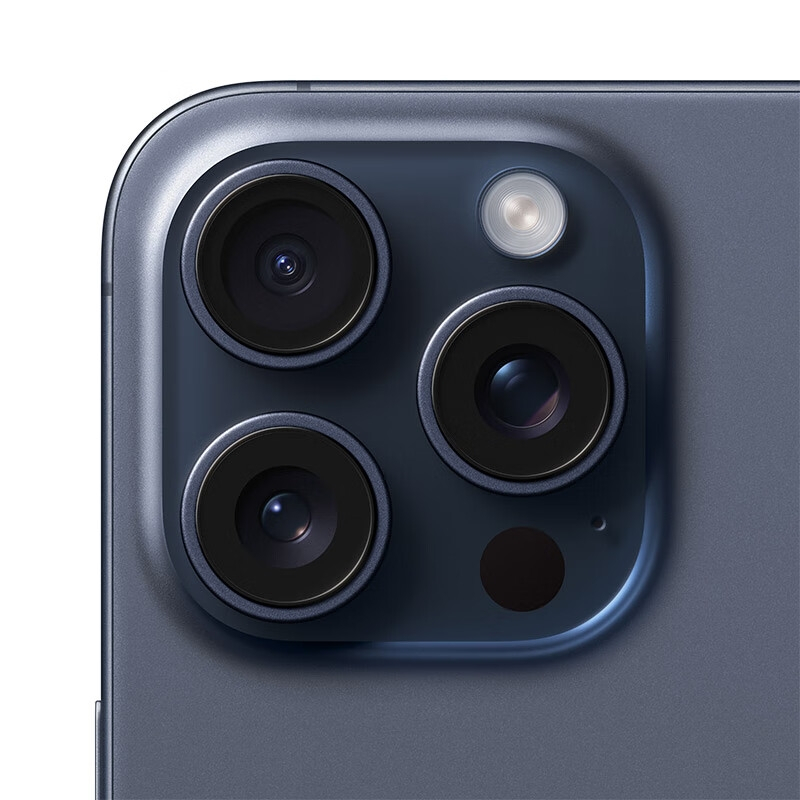
The evolution of smartphone cameras from rudimentary sensors to sophisticated imaging systems has redefined photography for billions of users. Central to this transformation are elettromagneti —tiny yet powerful components that enable autofocus (AF), optical image stabilization (OIS), and advanced features like variable apertures. As a professional electromagnet manufacturer, we delve into the critical role of electromagnetic technology in smartphone camera modules, exploring its applications, customization challenges, and the innovations driving the future of mobile photography.
1. The Science of Electromagnetic Control in Camera Modules
1.1 How Electromagnets Enable Precision Movement
Electromagnets convert electrical energy into controlled mechanical motion through magnetic fields. In camera modules, they adjust lens positions, stabilize images, and enable multifunctional features. Key components include:
- Voice Coil Motors (VCMs): The most common electromagnetic actuators for autofocus and OIS.
- Magnetic Levitation Systems: Contactless lens control for ultra-smooth motion.
- Hybrid Actuators: Combine electromagnets with piezoelectric or shape-memory alloys for multi-axis adjustments.
1.2 Key Requirements for Smartphone Electromagnets
- Miniaturization: Actuators must fit within modules as thin as 5mm.
- Low Power Consumption: Critical for battery life in always-on camera systems.
- High Precision: Sub-micron positioning accuracy for sharp focus.
- Durability: Resistance to shock, temperature swings, and electromagnetic interference (EMI).
2. Core Applications of Electromagnets in Camera Modules
2.1 Autofocus (AF) Systems
Voice Coil Motors (VCMs) dominate smartphone AF systems. When current flows through the coil, it generates a magnetic field that moves a lens carrier along the optical axis. Modern VCMs achieve focus locks in <200ms, even in low light.
Case Study: A flagship smartphone brand partnered with us to develop a dual-coil VCM for its 108MP main camera. The design reduced focus latency by 30% while consuming 20% less power than conventional single-coil systems.
2.2 Optical Image Stabilization (OIS)
OIS counters handshake by shifting lenses or sensors electromagnetically. Closed-loop VCMs use Hall sensors to provide real-time feedback, enabling precise compensation for angular and translational motion.
Example: A leading OEM integrated our 4-axis OIS actuator (pitch, yaw, X, Y shifts) into its ultra-wide camera, achieving 5° of shake correction—2x better than traditional 2-axis systems.
2.3 Variable Aperture Mechanisms
High-end smartphones use electromagnets to adjust aperture blades, mimicking DSLR-like depth-of-field control. A stepper motor-VCM hybrid moves blades in 1/1000th-second increments, enabling transitions from f/1.6 to f/2.4 for optimal exposure.
2.4 Periscope Zoom Modules
Periscope lenses rely on 90° folded optics to achieve 10x optical zoom. Electromagnets position the prism and lenses with nanometer precision, compensating for alignment errors caused by thermal expansion.
Case Study: For a 10x periscope module, we designed a dual-stage VCM with a 2mm stroke length, enabling seamless switching between optical and hybrid zoom modes.
2.5 Multi-Camera Switching
Electromagnets align lenses in pop-up or sliding camera arrays. For example, a magnetic latching system locks the front-facing camera in place when retracted, preventing dust ingress.
3. Customization Challenges and Solutions
3.1 Space Constraints
Challenge: Shrinking module heights (<4mm in 2024) demand ultra-thin actuators.
Solution:
- Flat Wire Coils: Replace round wires with rectangular cross-sections, reducing coil thickness by 40%.
- Stacked Magnets: Arrange neodymium magnets in Halbach arrays to maximize field strength in minimal space.
3.2 Power Efficiency
Challenge: Always-ready cameras drain batteries.
Solution:
- Latching Mechanisms: Use permanent magnets to hold lens positions without power.
- Energy Recovery Circuits: Capture back-EMF during coil deactivation to recharge auxiliary capacitors.
3.3 Thermal Management
Challenge: Heat from processors and wireless charging degrades magnetic performance.
Solution:
- High-Temperature Alloys: Cores made of samarium-cobalt (SmCo) retain magnetism at 150°C.
- Phase-Change Materials (PCMs): Absorb and dissipate heat around coils.
3.4 Durability in Harsh Conditions
Challenge: Sand, dust, and humidity in rugged smartphones.
Solution:
- Hermetic Sealing: Laser-welded stainless steel housings with IP68-rated seals.
- Self-Cleaning Coatings: Hydrophobic films prevent debris adhesion on lens carriers.


4. Cutting-Edge Innovations in Camera Electromagnets
4.1 AI-Driven Autofocus
Machine learning algorithms predict focus trajectories based on scene content. AI-optimized VCMs pre-position lenses before the shutter button is pressed, reducing focus latency to near zero.
Example: A smartphone’s AI recognizes a pet’s movement pattern, adjusting the VCM to track its eyes continuously.
4.2 Magnetic Levitation for Ultra-Smooth OIS
MagLev OIS suspends lenses using opposing electromagnets, eliminating mechanical friction. This enables 10x finer stabilization than spring-based systems, ideal for 8K video recording.
4.3 Tunable Liquid Lenses
Emerging liquid lenses use electromagnets to deform ferrofluid droplets, enabling focus without moving parts. A magnetic field gradient shapes the droplet’s curvature, achieving focus shifts in <1ms.
4.4 Foldable Phone Cameras
Flexible Electromagnetic Actuators: Thin-film coils printed on polyimide substrates allow cameras to bend with foldable screens.
5. Real-World Customization Case Studies
5.1 Case Study 1: Ultra-Low-Light Camera for Night Photography
A manufacturer sought to improve low-light performance for its flagship model. We developed a high-torque VCM with a 50% stronger magnetic circuit, enabling longer exposure shots without motion blur. The actuator’s 0.5µm step resolution allowed precise focus stacking, merging 10 images in real time for noise-free night shots.
5.2 Case Study 2: Under-Display Camera (UDC) Module
For a UDC system, we designed a transparent electromagnetic actuator using indium tin oxide (ITO) coils. The invisible coils allowed 85% light transmittance through the display while providing 0.1g·cm torque for focus adjustments.
5.3 Case Study 3: Action Camera with 360° Stabilization
A rugged action phone required stabilization beyond traditional OIS. Our 3D MagLev system used six electromagnets to float the entire sensor assembly, compensating for 360° motion during extreme sports.
6. Future Trends in Camera Electromagnets
6.1 Quantum Dot-Assisted Actuators
Quantum dots embedded in coils enable self-sensing actuators. Magnetic field changes alter dot luminescence, providing contactless position feedback without Hall sensors.
6.2 Graphene-Coated Coils
Graphene’s high conductivity and flexibility allow coils to handle 3x higher currents, boosting actuator speed without overheating.
6.3 Biometric Imaging
Hyperspectral cameras for health monitoring (e.g., blood oxygen, glucose) will require electromagnets to tune filters across IR and visible spectra.
Electromagnets—Focusing on the Future of Mobile Imaging
Elettromagneti are the unsung heroes of smartphone photography, enabling the precision and versatility that users now demand. From AI-driven autofocus to MagLev stabilization, their role in pushing the boundaries of mobile imaging is undeniable.
For smartphone manufacturers, partnering with an electromagnet specialist is key to overcoming customization hurdles and unlocking next-gen camera capabilities. As AI, materials science, and quantum technologies converge, electromagnetic actuators will remain at the forefront—ensuring that every shot, from macro to moon, is nothing short of perfect.
In a world where every smartphone doubles as a professional camera, electromagnets prove that even the smallest magnetic force can capture the grandest moments.
Informazioni sulla fabbrica di elettromagneti SF
Shengfeng Electromagnet Co., Ltd. è stata fondata nel 2015 e si trova nel Parco Industriale di Xiansha, in una splendida zona con comodi collegamenti di trasporto. L'azienda si estende su una superficie di 16.000 metri quadrati e dispone di moderni impianti di produzione, attrezzature di produzione all'avanguardia e un team tecnico altamente qualificato. Fin dalla sua fondazione, l'azienda ha sempre aderito alla filosofia aziendale di "innovazione, qualità e servizio", concentrandosi sulla ricerca, lo sviluppo e la produzione di elettromagneti, promuovendo costantemente l'aggiornamento dei prodotti e il progresso tecnologico, e fornendo ai clienti prodotti e servizi della migliore qualità.
Perché scegliere un elettromagnete SF
QUALITÀ DI ALTA GAMMA:In qualità di miglior produttore di elettromagneti a solenoide in Cina, il nostro team di controllo qualità garantisce che ogni singolo prodotto ricevuto sia della massima qualità. Disponiamo di attrezzature professionali per i test di qualità.
PROGETTAZIONE DEL PRODOTTO:Il nostro reparto campionatura gestisce l'intero processo di trasformazione dei disegni in realtà. Inoltre, grazie alla nostra pluriennale esperienza, ottimizziamo il design del vostro prodotto. Fateci sapere cosa ne pensate.
TEMPI DI CONSEGNA STABILI:In qualità di produttore e fornitore leader di elettromagneti, disponiamo di una capacità produttiva adeguata: anche di fronte a grandi ordini siamo in grado di garantire consegne puntuali.
MIGLIOR PREZZO:Siamo produttori diretti di elettromagneti e il miglior produttore di solenoidi in Cina; ecco perché possiamo offrire prodotti di alta qualità al miglior prezzo.
GESTIONE PRECISA:Non si può ottenere nulla senza una gestione precisa. Siamo un'azienda dotata di un sistema di gestione completo.
SERVIZIO 24 7 GIORNI SU 24:In qualità di miglior produttore di solenoidi, offriamo una risposta immediata 24 ore su 24, 7 giorni su 7: raccoglieremo il tuo feedback per diventare un fornitore migliore. Contattaci. Bomba +86 18902611680
Domande frequenti sull'elettromagnete
Siamo un top cinese elettromagnete Siamo produttori e la nostra fabbrica si trova a Dongguan. Benvenuti a visitare la nostra fabbrica!
Siamo specializzati nella progettazione e produzione di alta qualità elettromagnete,elettrovalvola,ad esempio elettrovalvola rotante, solenoidi bistabili, solenoidi di bloccaggio, solenoidi a telaio aperto, solenoidi tubolari, solenoide autobloccante
•Naturalmente, di solito forniamo campioni gratuiti e dovrete coprire solo le spese di spedizione. Per campioni di elettromagneti personalizzati, vi preghiamo di inviarci le vostre richieste per verificare il costo del campione.
• La produzione del campione richiede circa 7 giorni.
Sì, offriamo servizi di progettazione gratuiti, tra cui progettazione strutturale e grafica semplice.
Certamente. Possiamo realizzare qualsiasi elettromagnete con il vostro design. Ora offriamo un servizio ODM per solenoidi, ideale per piccole quantità da 100 a 500 pezzi, con la possibilità di personalizzare il prodotto con il vostro logo.
A seconda della quantità dell'ordine e dei dettagli di produzione, ci vorranno circa dai 15 ai 20 giorni.
Sempre un campione di pre-produzione prima della produzione di massa; sempre un'ispezione finale prima della spedizione.
• Potenza, utilizzo, dimensioni, materiale, quantità, destinazione di spedizione, ecc.
• Puoi anche semplicemente comunicarci le tue esigenze e ti consiglieremo i prodotti più adatti.
• Via mare, via aerea o tramite corriere espresso.
• Se disponete di un vostro spedizioniere in Cina, il prezzo è quello franco fabbrica o FOB.
•CFR o CIF, ecc., se avete bisogno che spediamo per vostro conto.
• È possibile utilizzare anche DDP e DDU.
• Più opzioni, prenderemo in considerazione le vostre scelte.
• Il prezzo è determinato dalla quantità, dal materiale, dal metodo di lavorazione, dalle dimensioni e da altri fattori. Inoltre, a causa del nostro continuo
Grazie all'innovazione tecnologica, i prezzi di alcuni dei nostri prodotti sono estremamente competitivi. Contattateci per un preventivo.