









Dernière mise à jour le 04/09/2025 par Usine de solénoïdes
Fluid control systems are the lifeblood of industries ranging from oil and gas to pharmaceuticals, where precise regulation of liquids and gases is critical. At the heart of these systems lie valves—devices that start, stop, or modulate fluid flow. While traditional valves rely on manual, pneumatic, or hydraulic actuation, électroaimants have emerged as a transformative technology for valve drive mechanisms. Their ability to deliver rapid, precise, and automated control has revolutionized fluid management in modern engineering.
As a professional electromagnet manufacturer, we explore the science, applications, and advancements of electromagnets in valve drive and fluid control systems. This blog delves into their operational principles, industry-specific use cases, and the innovations shaping the future of fluid dynamics.

1. The Science of electromagnets and Electromagnetic Valve Actuation
1.1 How Electromagnets Power Valves
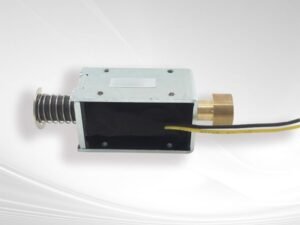
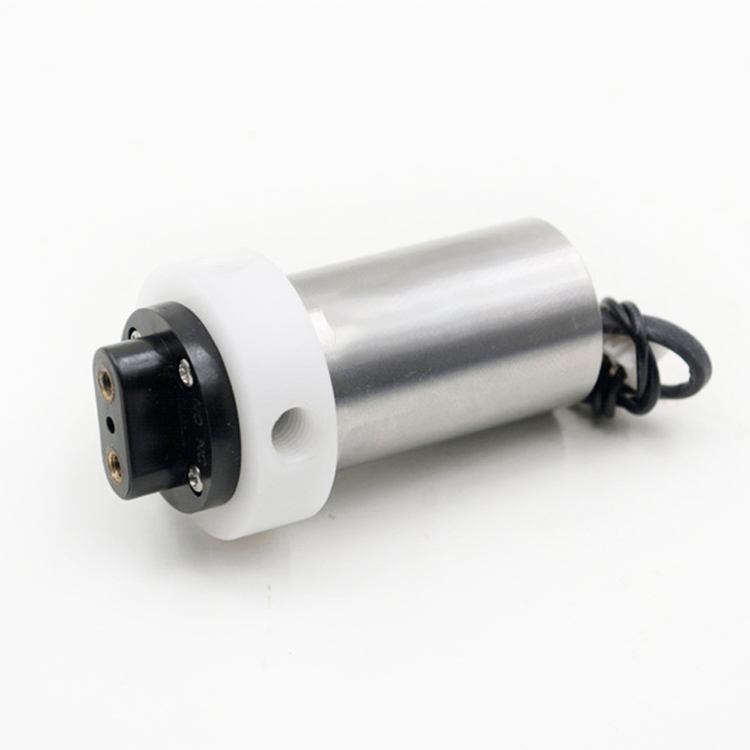
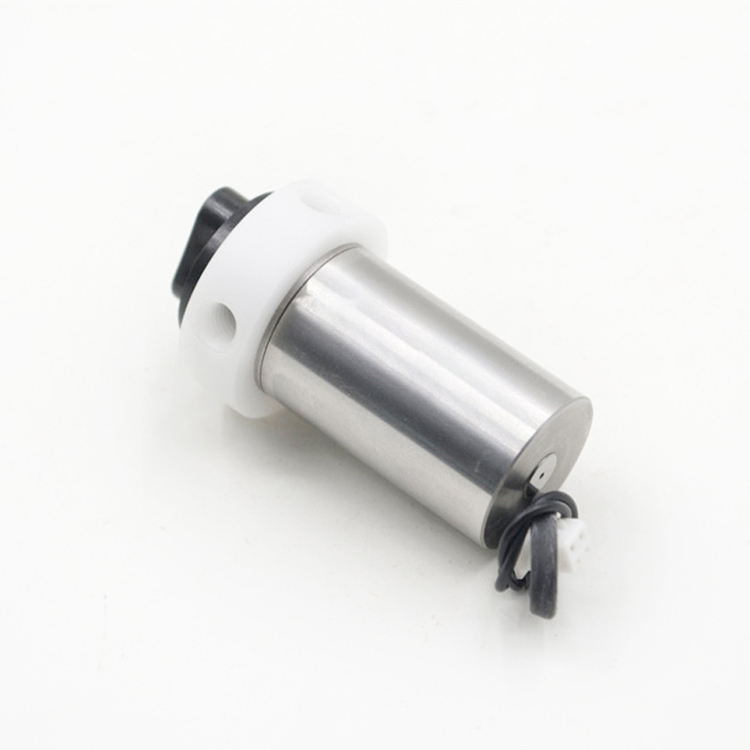
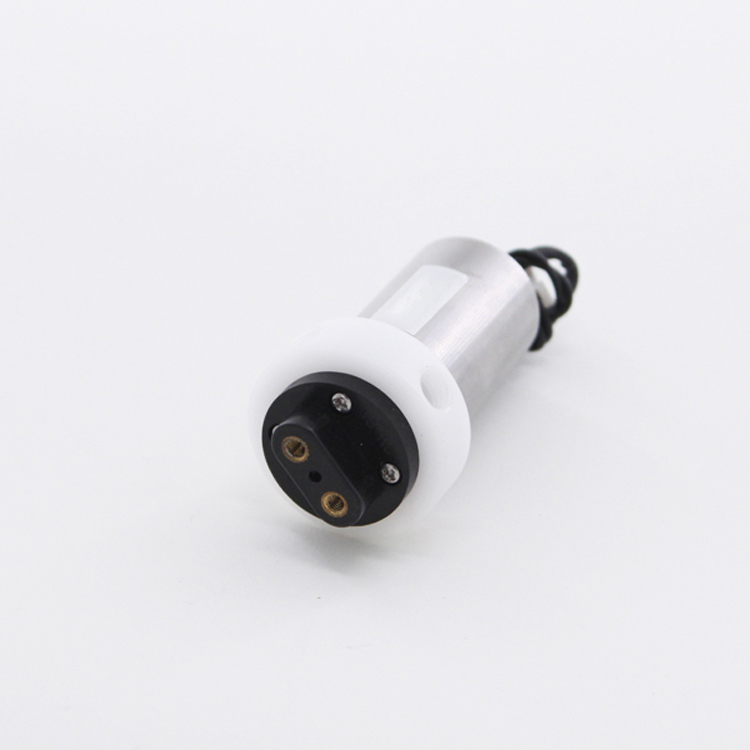
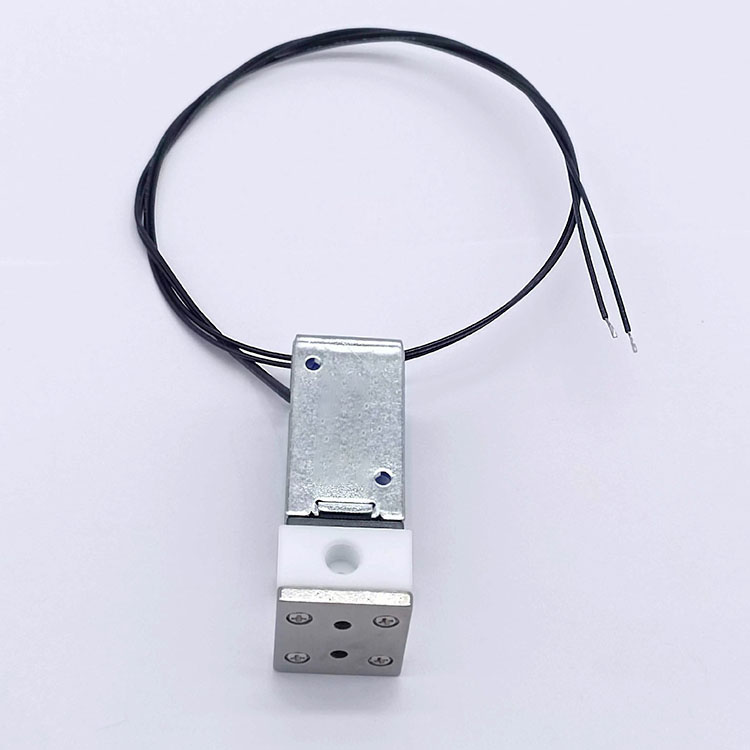
Electromagnetic valves, commonly known as solenoid valves, use an electromagnet to control the movement of a plunger or diaphragm. When an electric current flows through the coil, it generates a magnetic field that moves the plunger, either opening or closing the valve. De-energizing the coil reverses the action via a spring or fluid pressure, restoring the valve to its default state.
1.2 Key Components of Solenoid Valves
- Coil: The electromagnet’s core component, typically made of copper or aluminum wire.
- Plunger/Diaphragm: A ferromagnetic part that moves under magnetic force to regulate fluid flow.
- Valve Body: Houses the fluid pathway and sealing elements.
- Spring: Returns the plunger to its default position when the coil is de-energized.
1.3 Types of Solenoid Valves
- Direct-Acting Valves: Use the solenoid’s force directly to open/close the valve. Ideal for low-pressure applications.
- Pilot-Operated Valves: Rely on fluid pressure differentials to assist valve operation, suitable for high-pressure systems.
- 2-Way, 3-Way, and 4-Way Valves: Differ in the number of ports and flow paths, enabling diverse control strategies.
2. Advantages of Electromagnetic Valve Drive Systems
2.1 Rapid Response Time
électroaimants activate in milliseconds, enabling near-instantaneous valve operation. This is crucial for applications requiring quick shut-off, such as emergency pressure relief in pipelines or precise dosing in chemical reactors.
2.2 Precision and Repeatability
Solenoid valves provide exact control over flow rates and timing, ensuring consistent performance in processes like fuel injection, medical IV systems, or semiconductor cooling.
2.3 Energy Efficiency
Unlike pneumatic systems that require continuous air supply, solenoid valves consume power only during actuation. Advanced designs, such as latching solenoids, further reduce energy use by maintaining position without power.
2.4 Compact and Lightweight Design
Electromagnetic valves are often smaller and lighter than their pneumatic or hydraulic counterparts, simplifying integration into space-constrained systems like aerospace hydraulics or portable medical devices.
2.5 Automation and IoT Integration
Solenoid valves seamlessly integrate with programmable logic controllers (PLCs), sensors, and IoT platforms, enabling fully automated and remotely monitored fluid control systems.
3. Industrial Applications of Electromagnets
3.1 Oil and Gas Industry
Electromagnetic valves regulate the flow of crude oil, natural gas, and refined products in pipelines, refineries, and offshore platforms. They ensure safe shut-off during leaks, control pressure in storage tanks, and manage gas injection in enhanced oil recovery.
Étude de cas : A subsea oil rig deployed pilot-operated solenoid valves to withstand 10,000 psi pressures while enabling remote operation from onshore control centers.
3.2 Water and Wastewater Treatment
In treatment plants, solenoid valves control the dosing of chemicals (e.g., chlorine, coagulants) and manage filtration cycles. Their corrosion-resistant designs handle aggressive fluids, while fast response times prevent overflow in pumping stations.
3.3 Pharmaceutical and Biotechnology
Sterile processing demands precision. Electromagnets valves regulate the flow of solvents, APIs (active pharmaceutical ingredients), and purified water in bioreactors, filling machines, and cleanrooms. Materials like FDA-approved PTFE ensure compliance with hygiene standards.
3.4 HVAC and Refrigeration
Solenoid valves manage refrigerant flow in cooling systems, ensuring energy-efficient temperature control. In smart buildings, they adjust water flow in radiant heating systems based on real-time occupancy data.
3.5 Automotive and Aerospace
- Fuel Injection Systems: High-speed solenoid valves control fuel spray timing and volume, optimizing combustion efficiency.
- Aircraft Hydraulics: Lightweight, high-pressure valves actuate landing gear, brakes, and flight control surfaces.
- Note 0 sur 5
4. Défis techniques et solutions des électroaimants
4.1 High-Pressure and High-Temperature Environments
Défi: Extreme conditions can degrade coil insulation or cause valve seizure.
Solution: Use high-temperature resins for coil winding, stainless steel or alloy valve bodies, and heat dissipation designs.
4.2 Fluid Compatibility
Défi: Corrosive or viscous fluids can damage valve components.
Solution: Select materials like Hastelloy, PTFE, or ceramic coatings tailored to the fluid’s chemical properties.
4.3 Leakage and Wear
Défi: Repeated actuation wears seals, leading to leaks.
Solution: Incorporate self-lubricating seals, redundant sealing layers, and predictive maintenance via IoT sensors.
4.4 Power Supply Stability
Défi: Voltage fluctuations affect valve response.
Solution: Implement feedback-controlled power supplies and surge protection circuits.
5. Innovations Driving the Future of Electromagnetic Valves
5.1 Smart Valves with Embedded Sensors
Modern solenoid valves integrate sensors to monitor parameters like pressure, temperature, and flow rate. Data is transmitted to cloud platforms for predictive maintenance and performance optimization.
Exemple: A smart valve detects a drop in flow efficiency, triggering an alert for seal replacement before a failure occurs.
5.2 Energy-Harvesting Systems
Energy-efficient designs, such as bistable latching valves, use permanent magnets to hold position without power. Some systems even harvest energy from fluid flow or vibrations to power the valve itself.
5.3 Additive Manufacturing (3D Printing)
3D-printed valves with complex internal geometries optimize fluid dynamics, reduce weight, and enable rapid prototyping of custom designs.
5.4 AI-Driven Fluid Control
Machine learning algorithms analyze historical data to optimize valve timing and flow rates dynamically. In chemical plants, AI adjusts valve settings in real time to maintain reaction stoichiometry.
5.5 Green Technology Integration
Electromagnetic valves play a key role in hydrogen fuel cells, carbon capture systems, and water-saving irrigation technologies, supporting global sustainability goals.
6. Selecting the Right Electromagnets
6.1 Critères clés de sélection
- Fluid Type: Consider chemical compatibility, viscosity, and particulate content.
- Pressure and Temperature Ratings: Ensure the valve meets system operating limits.
- Response Time: Match actuation speed to process requirements.
- Certifications: Look for industry-specific standards (e.g., ATEX for explosive environments, NSF for water safety).
6.2 Personnalisation en fonction des besoins de l'industrie
En tant que fabricant, nous proposons des solutions sur mesure, notamment :
- High-Pressure Valves: Designed for oil and gas or hydraulic systems.
- Sanitary Valves: Polished surfaces and crevice-free designs for biopharma.
- Explosion-Proof Valves: Certified for hazardous environments.
Electromagnets—Powering Precision in Fluid Control
Electromagnetic valve drive systems represent the pinnacle of precision, efficiency, and adaptability in fluid control. From managing hazardous chemicals in refineries to enabling life-saving drug production, their applications are as diverse as they are critical. As industries embrace automation and sustainability, the demand for advanced solenoid valves will continue to surge.
For businesses seeking to enhance their fluid control systems, électroaimants offer a future-proof solution that balances performance with energy efficiency. By collaborating with an experienced electromagnet manufacturer, industries can unlock new levels of operational excellence, safety, and innovation.
À propos de l'usine d'électroaimants SF
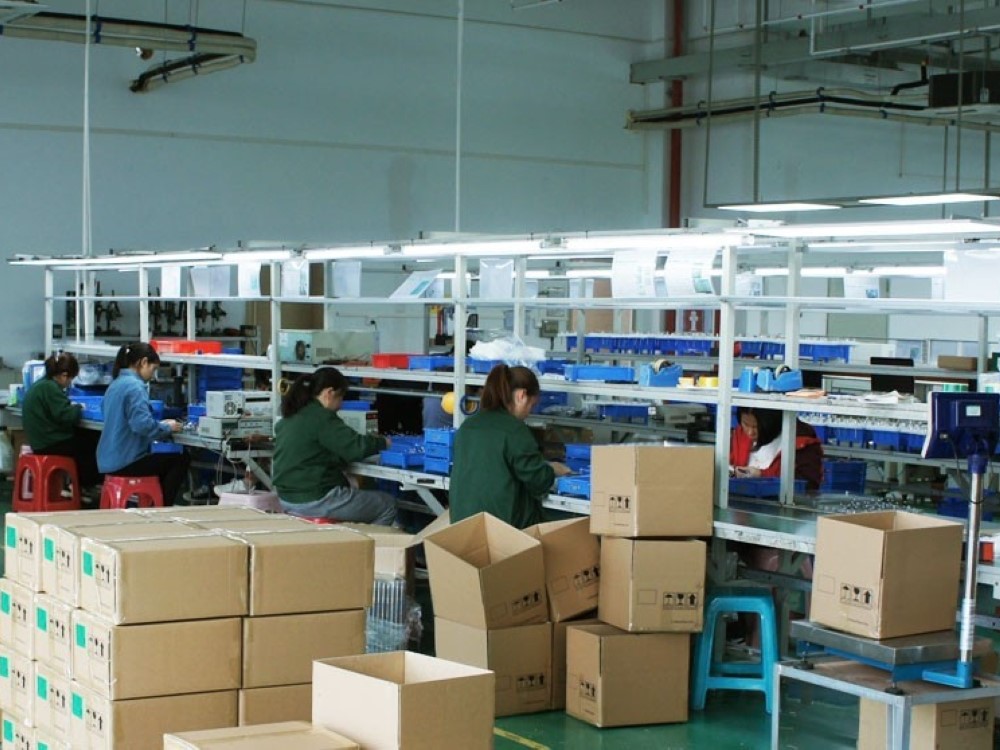
Shengfeng Electromagnet Co., Ltd., fondée en 2015, est située dans le parc industriel de Xiansha, bénéficiant d'un cadre agréable et d'une excellente desserte. L'entreprise s'étend sur 16 000 mètres carrés et dispose d'usines de production modernes, d'équipements de pointe et d'une équipe technique hautement qualifiée. Depuis sa création, elle s'est toujours attachée à sa philosophie d'entreprise axée sur l'innovation, la qualité et le service, en se concentrant sur la recherche, le développement et la production de… électroaimants, en promouvant constamment les mises à jour de produits et les progrès technologiques, et en fournissant aux clients des produits et services de la meilleure qualité.
Pourquoi choisir un électroaimant SF ?
HAUTE QUALITÉ :En tant que premier fabricant d'électroaimants à solénoïde en Chine, notre équipe de contrôle qualité veille à ce que chaque produit que vous recevez soit d'une qualité irréprochable. Nous disposons d'équipements professionnels pour les tests de qualité.
CONCEPTION DU PRODUIT :Notre service d'échantillonnage maîtrise l'ensemble du processus de concrétisation de vos plans. Nous optimisons également la conception de vos produits en nous appuyant sur nos années d'expérience. Faites-nous part de vos avis.
DÉLAI DE LIVRAISON STABLE :En tant que fabricant et fournisseur d'électroaimants de premier plan, nous disposons d'une capacité de production suffisante ; les commandes importantes ne nous effraient pas et nous sommes en mesure de les livrer dans les délais.
MEILLEUR PRIX :Nous sommes une usine d'origine spécialisée dans les électroaimants et le meilleur fabricant de solénoïdes en Chine ; c'est pourquoi nous pouvons proposer des produits de haute qualité au meilleur prix.
GESTION PRÉCISE :Rien ne peut être accompli sans une gestion rigoureuse. Nous sommes une entreprise dotée d'un système de gestion complet.
SERVICE 7-24 :En tant que fabricant leader de solénoïdes, nous vous garantissons une réponse immédiate 24h/24 et 7j/7 : vos commentaires nous permettent de nous améliorer constamment. Contactez-nous. WhatsApp +86 18902611680
FAQ sur les électroaimants
Nous sommes un leader chinois électro-aimant Notre usine de fabrication est située à Dongguan. Nous serions ravis de vous accueillir !
Nous sommes spécialisés dans la conception et la production de produits de haute qualité. électro-aimant,électrovanne,tel que solénoïde rotatif, solénoïdes bistables, solénoïdes de verrouillage, solénoïdes à cadre ouvert, solénoïdes tubulaires, solénoïde auto-maintenu
Bien entendu, nous fournissons généralement des échantillons gratuits ; vous n’avez qu’à prendre en charge les frais de port. Pour les échantillons d’électroaimants sur mesure, veuillez nous communiquer vos exigences afin que nous puissions vous indiquer le coût de l’échantillon.
• La production d'un échantillon prend environ 7 jours.
Oui, nous proposons des services de conception gratuits, incluant la conception structurelle et la conception graphique simple.
Bien sûr. Nous pouvons fabriquer n'importe quel électroaimant selon votre conception. Nous proposons désormais un service ODM de solénoïdes pour les petites séries (de 100 à 500 pièces), avec la possibilité d'y apposer votre logo.
En fonction de la quantité commandée et des détails de production, cela prendra environ 15 à 20 jours.
Toujours un échantillon de préproduction avant la production en série ; toujours une inspection finale avant l'expédition
• Puissance, consommation, dimensions, matériau, quantité, destination de livraison, etc.
• Vous pouvez aussi simplement nous faire part de vos besoins et nous vous recommanderons des produits.
• Par mer, par air ou par transport express.
• Si vous avez votre propre transitaire en Chine, il s'agit du prix départ usine ou FOB.
•CFR ou CIF, etc., si vous avez besoin que nous expédiions en votre nom.
• Le DDP et le DDU peuvent également être utilisés.
• Plus de choix, nous prendrons en compte vos choix.
Le prix est déterminé par la quantité, le matériau, le procédé de fabrication, la taille et d'autres facteurs. De plus, grâce à notre croissance continue, nous proposons des tarifs compétitifs.
Grâce à l'innovation technologique, les prix de certains de nos produits sont extrêmement compétitifs ; veuillez nous contacter pour obtenir un devis.