









Última actualización: 4 de septiembre de 2025 Fábrica de solenoides
In the vast landscape of electromechanical devices, solenoide de bastidor abierto stands out for their versatility and adaptability. Unlike enclosed solenoids, open frame solenoids offer a more exposed design that allows for easier integration into various systems and applications. This design also provides better access for maintenance and modifications, making them a popular choice for engineers and developers working on customized projects.
In this comprehensive blog post, we will delve into the intricacies of choosing the right open frame solenoid for your specific application. We’ll explore key selection criteria, discuss the importance of understanding your application’s requirements, and offer practical tips for evaluating potential suppliers. By the end, you’ll be equipped with the knowledge necessary to make an informed decision that aligns with your project’s needs.
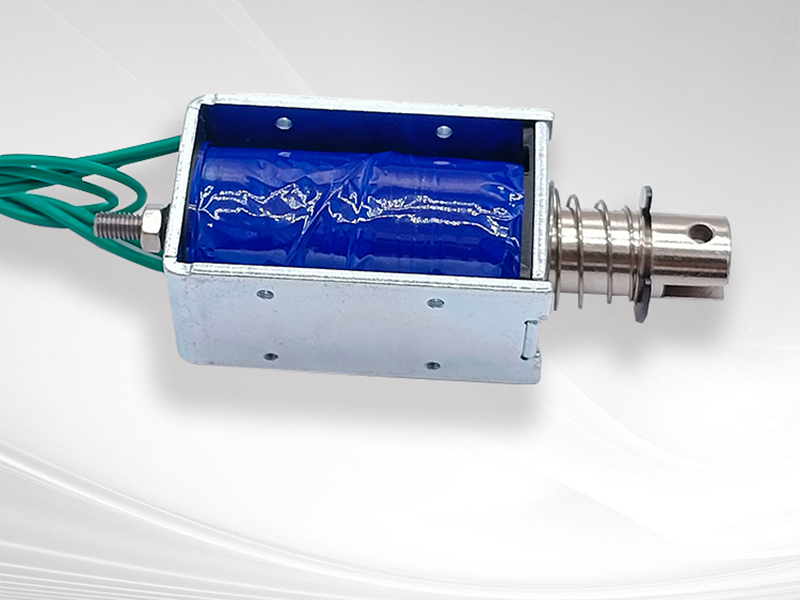
What is the Open Frame Solenoid
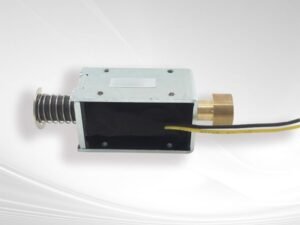
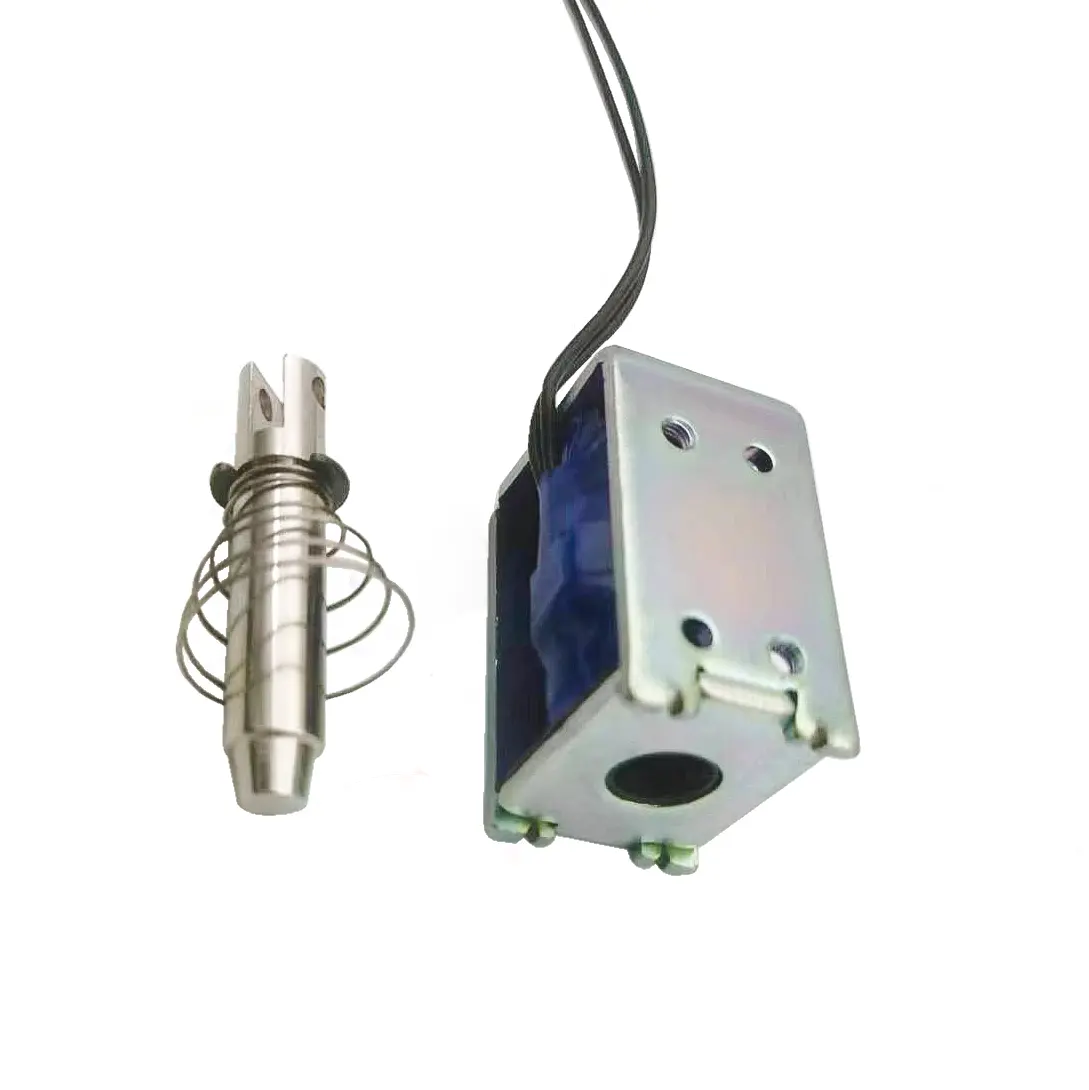
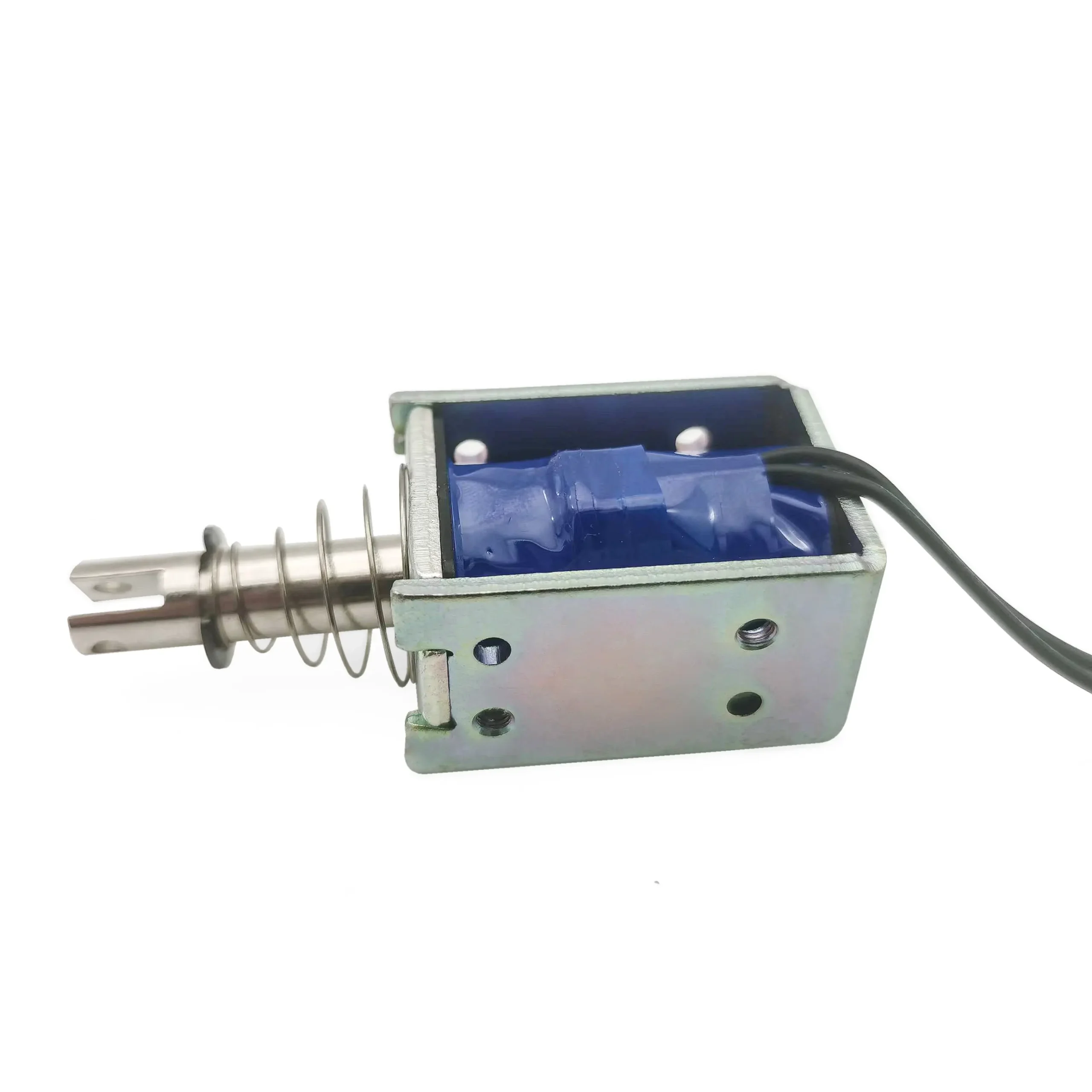
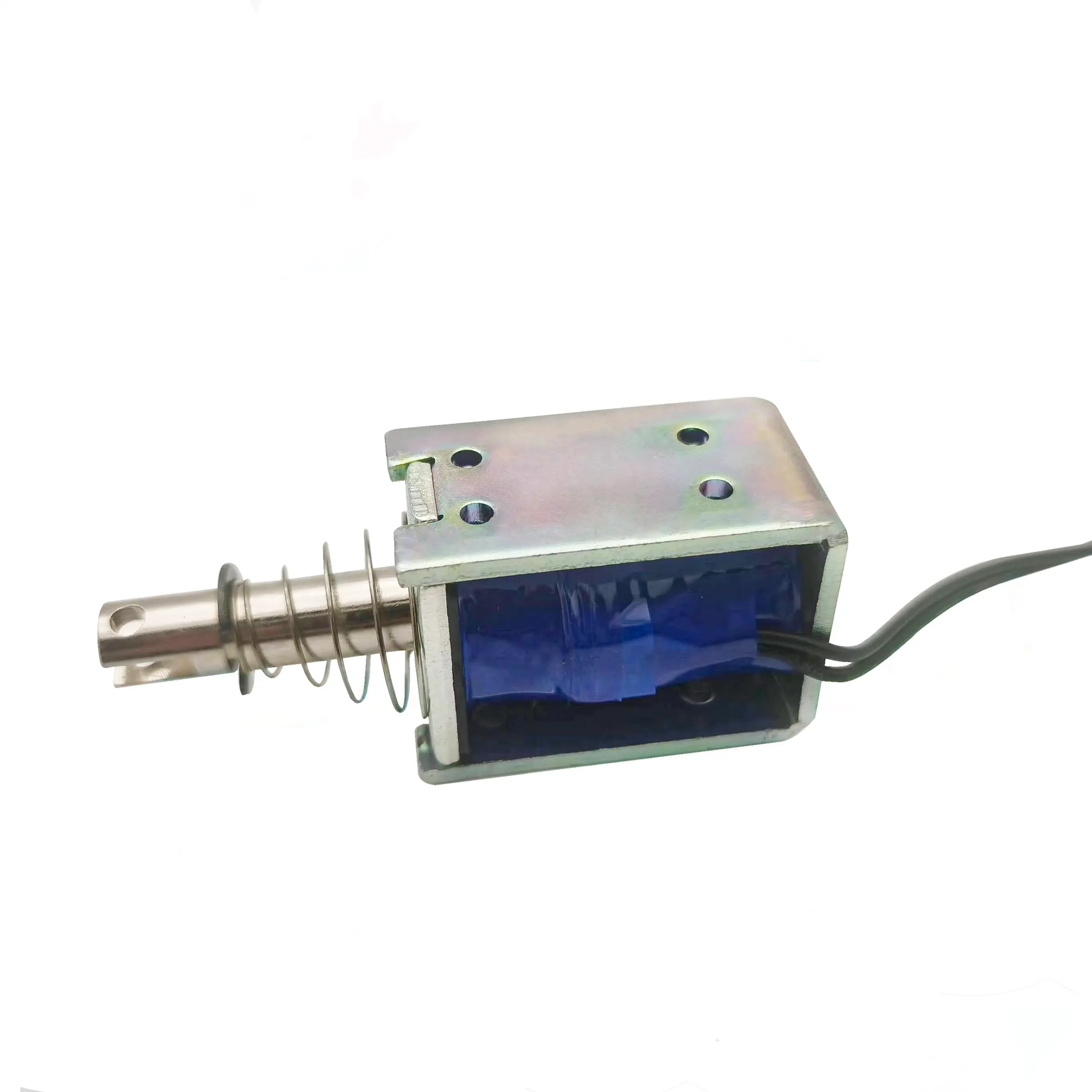
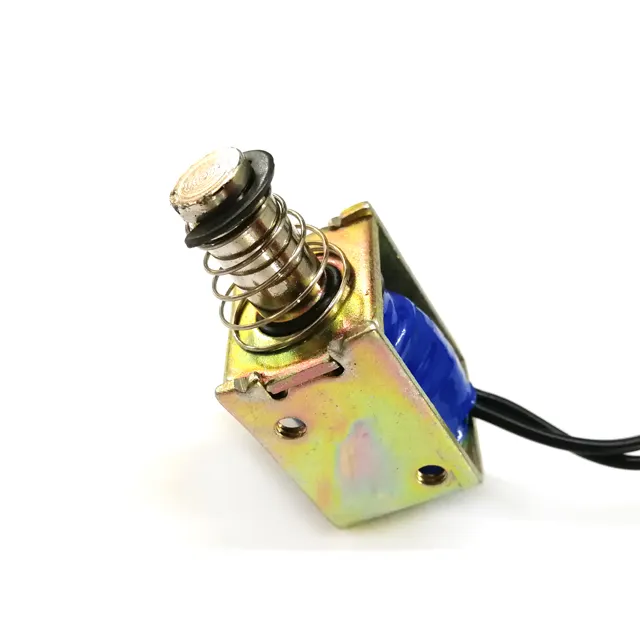
Before diving into the selection process, it’s crucial to understand the basics of solenoides de bastidor abierto. Unlike enclosed solenoids, which have a protective casing around the coil and armature, open frame solenoids have an exposed frame that allows for direct access to the internal components. This design offers several advantages, including easier integration, better cooling, and reduced size and weight.
Key Characteristics:
- Exposed Frame: Direct access to internal components for easier integration and maintenance.
- Improved Cooling: Better heat dissipation due to the open design.
- Reduced Size and Weight: More compact and lightweight compared to enclosed solenoids.
- Versatility: Suitable for a wide range of applications, including automation, robotics, and medical devices.
Key Criteria for Choosing an Open Frame Solenoid
When selecting an solenoide de bastidor abierto, several criteria must be considered to ensure compatibility with your application’s specific needs. Here are the primary factors to evaluate:
1. Force and Stroke Requirements
Why It Matters:
The force required to actuate the armature and the stroke (the distance it travels) are fundamental parameters that dictate the solenoid’s ability to perform the intended function. Whether it’s moving a lever, locking a mechanism, or controlling a valve, these specifications are critical.
Evaluation Tips:
- Calculate the Required Force: Determine the maximum force needed to overcome friction, inertia, or other loads in your application. This can often be found in the application’s technical specifications or through testing.
- Consider Stroke Length: Measure the distance the armature must travel to fully engage or disengage the target component. Ensure that the selected solenoid’s stroke matches or exceeds this requirement.
Example:
In a robotic arm application, an open frame solenoid with a high holding force and adequate stroke ensures precise and reliable movement of the arm’s components.
2. Power Consumption and Voltage Range
Why It Matters:
Understanding the power consumption and voltage range of the solenoid is crucial for compatibility with your system’s power supply. This is especially important in applications where energy efficiency is a key concern.
Evaluation Tips:
- Assess Power Budget: Determine the maximum power your system can provide without overloading. This will help you select a solenoid with appropriate power consumption specifications.
- Voltage Compatibility: Ensure the solenoid’s voltage range aligns with your power supply specifications. This includes considering any voltage spikes or fluctuations that may occur during operation.
Example:
In battery-powered devices, such as portable medical equipment, choosing an open frame solenoid with low power consumption extends operational life by minimizing energy usage.
3. Size and Weight
Why It Matters:
Space constraints and weight limitations often dictate the physical dimensions of components in many applications. A solenoid’s size and weight can affect installation, system balance, and overall performance.
Evaluation Tips:
- Measure Available Space: Determine the maximum dimensions that the solenoid can occupy without interfering with other components or compromising functionality.
- Consider Weight: Lightweight solenoids reduce stress on mounting structures and can be easier to integrate into existing systems.
Example:
In aerospace applications, where every gram counts, choosing a compact, lightweight open frame solenoid optimizes payload and fuel efficiency.
4. Environmental Conditions
Why It Matters:
Operational environment can significantly impact a solenoid’s performance and lifespan. Factors such as temperature, humidity, and exposure to contaminants can degrade materials and affect magnetic properties.
Evaluation Tips:
- Identify Environmental Factors: Determine the temperature range, humidity levels, and potential contaminants in your application. This information will help you select materials and coatings that can withstand these conditions.
- Select Appropriate Materials: Choose solenoids with materials that are resistant to corrosion, wear, and environmental degradation. This may include stainless steel, coatings, or seals that protect against moisture and other contaminants.
Example:
In outdoor applications exposed to extreme temperatures and moisture, an open frame solenoid with rust-resistant coatings and temperature-stable materials ensures long-term reliability.
5. Duty Cycle and Lifespan
Why It Matters:
The duty cycle (the ratio of on-time to total cycle time) and lifespan (the number of cycles before failure) are critical for applications requiring frequent actuation or long-term operation.
Evaluation Tips:
- Calculate Duty Cycle: Estimate the solenoid’s operating time relative to the rest period. This will help you select a solenoid with a duty cycle that matches or exceeds your application’s requirements.
- Review Lifespan Specifications: Ensure the solenoid’s lifespan meets or exceeds your application’s expected operational duration. This may require consulting with the manufacturer or supplier for detailed lifespan testing data.
Example:
In industrial automation, where solenoids may cycle thousands of times a day, selecting an open frame solenoid with a high-durability design minimizes downtime and maintenance costs.
6. Control and Monitoring Requirements
Why It Matters:
Controlling and monitoring the solenoid’s state is essential for ensuring system reliability and diagnosing issues. Compatibility with existing control systems and the need for additional sensors can influence your choice.
Evaluation Tips:
- Assess Control System Compatibility: Ensure the solenoid’s control interface (e.g., voltage pulse, digital signal) matches your system’s requirements. This may involve consulting with your system’s designer or manufacturer to ensure compatibility.
- Consider Monitoring Needs: Determine if additional sensors (e.g., position sensors, temperature sensors) are necessary for real-time monitoring. This will help you select a solenoid with appropriate sensor interfaces or options for integrating additional sensors.
Example:
In a medical device, integrating an open frame solenoid with compatible control electronics and sensors ensures precise, reliable operation and enhances system diagnostics.
7. Certifications and Compliance
Why It Matters:
Certifications and compliance with industry standards ensure that the solenoid meets safety, environmental, and performance benchmarks. They can be critical for gaining market acceptance and satisfying regulatory requirements.
Evaluation Tips:
- Identify Relevant Standards: Determine the certifications and standards required for your application (e.g., UL, CE, RoHS). This may involve consulting with industry associations or regulatory bodies to ensure compliance.
- Verify Compliance: Ensure the supplier provides documentation proving compliance with the identified standards. This may include certificates of conformity, test reports, or other documentation that verifies the solenoid’s compliance.
Example:
In automotive applications, selecting an open frame solenoid with ISO/TS 16949 certification ensures it meets rigorous quality management standards.
- Valorado en 0 de 5
- Valorado en 0 de 5
Evaluating Open Frame Solenoid Suppliers
Choosing the right supplier is as crucial as selecting the right solenoid. A reputable supplier can provide valuable insights, technical support, and quality assurance to ensure your project’s success. Here are some tips for evaluating potential suppliers:
1. Technical Expertise and Experience
Why It Matters:
Suppliers with deep technical expertise and experience in open frame solenoids can offer tailored solutions, address complex challenges, and provide valuable recommendations.
Evaluation Tips:
- Review Technical Literature: Assess the supplier’s knowledge base, white papers, and technical guides. This will help you gauge their understanding of open frame solenoids and their ability to provide technical support.
- Consult with Engineers: Engage with their engineering team to discuss your specific requirements and challenges. This will give you insight into their problem-solving capabilities and ability to customize solutions.
Example:
A supplier with a proven track record in custom open frame solenoids can design a solution tailored to your unique application, ensuring optimal performance and reliability.
2. Manufacturing Capabilities and Quality Control
Why It Matters:
In-house manufacturing capabilities and robust quality control protocols ensure consistent performance and reliability.
Evaluation Tips:
- Tour the Facility: If possible, visit the supplier’s manufacturing facility to observe processes and quality checks. This will give you a firsthand look at their manufacturing capabilities and quality control measures.
- Request Quality Certifications: Ensure the supplier holds relevant ISO certifications for quality management (e.g., ISO 9001). This will provide assurance that their manufacturing processes meet industry standards.
Example:
A supplier with ISO 9001 certification demonstrates a commitment to high-quality manufacturing processes and continuous improvement, which can translate into more reliable open frame solenoidsfor your application.
3. Customization and Design Support
Why It Matters:
The ability to customize open frame solenoids to meet specific requirements is crucial for ensuring optimal performance in diverse applications.
Evaluation Tips:
- Discuss Customization Options: Inquire about the supplier’s ability to customize solenoids in terms of force, stroke, voltage, materials, and other critical parameters. This will help you determine if they can meet your unique needs.
- Request Design Consultation: Engage with their design team to discuss your application’s requirements and challenges. They can provide insights into material selection, coil design, and other critical factors that affect performance.
Example:
A supplier with extensive customization and design support can develop an open frame solenoid with unique force-stroke characteristics and materials tailored to your specific application, ensuring optimal performance and reliability.
4. Prototyping and Testing Capabilities
Why It Matters:
Prototyping and testing are essential for validating a solenoid’s performance before full-scale production.
Evaluation Tips:
- Request Prototype Samples: Ask the supplier to provide prototype samples of the customized solenoid for testing in your application. This will give you hands-on experience with the solution and allow you to validate its performance.
- Discuss Testing Protocols: Ensure the supplier has rigorous testing protocols in place to validate solenoid performance across various conditions. This includes testing for force, stroke, durability, and environmental compatibility.
Example:
A supplier with in-house prototyping and testing capabilities can provide you with customized open frame solenoids that have been thoroughly tested and validated for your specific application.
5. Customer Service and Technical Support
Why It Matters:
Responsive customer service and technical support are critical for addressing issues, providing guidance, and ensuring a smooth integration process.
Evaluation Tips:
- Test Customer Service: Contact the supplier’s customer service team with pre-sales questions to gauge their responsiveness and helpfulness. This will give you insight into their ability to support you throughout the selection and integration process.
- Assess Technical Support Offerings: Evaluate the supplier’s technical support resources, including phone support, email assistance, and online resources (e.g., FAQs, troubleshooting guides). This will help you determine their ability to provide ongoing support after the sale.
Example:
A supplier with comprehensive customer service and technical support offerings, including 24/7 assistance and online resources, ensures you can get help when you need it, minimizing downtime and enhancing system reliability.
6. Sustainability Practices and Environmental Compliance
Why It Matters:
In today’s environmentally conscious world, suppliers’ sustainability practices and compliance with environmental regulations are increasingly important.
Evaluation Tips:
- Inquire About Environmental Policies: Ask about the supplier’s environmental policies, including waste reduction, energy efficiency, and use of sustainable materials. This will help you assess their commitment to sustainability.
- Request Compliance Documentation: Ensure the supplier provides documentation proving compliance with relevant environmental regulations (e.g., RoHS, REACH). This will give you assurance that their open frame solenoids meet environmental standards.
Example:
A supplier committed to sustainable practices, such as recycling materials and minimizing energy consumption during manufacturing, can help you reduce your application’s environmental impact while ensuring reliable performance.
Choosing the right open frame solenoid
Choosing the right solenoide de bastidor abierto for your application involves a thorough evaluation of your specific requirements and a careful assessment of potential suppliers. By focusing on key criteria such as force and stroke requirements, power consumption, size and weight, environmental conditions, duty cycle and lifespan, control and monitoring needs, certifications and compliance, you can narrow down your options to those that best meet your needs.
Furthermore, evaluating suppliers based on their technical expertise, manufacturing capabilities, customization support, prototyping and testing capabilities, customer service, technical support, and sustainability practices ensures you partner with a reliable, responsive organization committed to your project’s success.
Remember, the best open frame solenoid is not necessarily the cheapest or the most advanced; it’s the one that aligns perfectly with your application’s specific requirements and supports your long-term goals. By leveraging the guidance outlined in this blog, you’ll be well-equipped to make an informed decision that ensures optimal performance, reliability, and cost-effectiveness.
more tips about open frame solenoid
As you continue your search for the ideal solenoide de bastidor abierto, consider these additional resources and next steps:
- Supplier Websites: Visit the websites of potential suppliers to learn more about their products, services, and technical capabilities. Look for detailed specifications, application notes, and technical guides that can provide insights into their open frame solenoids.
- Industry Publications: Read industry publications and trade journals to stay informed about the latest trends, advancements, and best practices in open frame solenoid technology. This can help you identify new suppliers, technologies, and innovations that may benefit your application.
- Trade Shows and Conferences: Attend industry trade shows and conferences to network with suppliers, learn about new products, and gather insights from peers and experts. These events provide an excellent opportunity to see open frame solenoids in action, discuss potential applications with suppliers, and gather feedback from industry professionals.
- Pilot Testing: Consider pilot testing a few selected open frame solenoids in your application environment to validate performance and reliability before making a final decision. This can help you identify any potential issues or limitations and ensure that the selected solenoid meets your application’s specific needs.
By leveraging these resources and following the guidance outlined in this blog, you’ll be well-equipped to choose the right open frame solenoid for your application, ensuring optimal performance, reliability, and cost-effectiveness.
keywords and themes of this blog
Keywords: Open frame solenoid, selection criteria, application requirements, supplier evaluation, technical expertise, manufacturing capabilities, customization support, prototyping and testing, customer service, technical support, sustainability practices, environmental compliance.
Meta Description: Learn how to choose the right open frame solenoid for your application with this comprehensive guide. Discover key selection criteria, evaluation tips for potential suppliers, and additional resources to ensure your project’s success. With a focus on technical expertise, customization, prototyping, and sustainability, this blog provides the insights you need to make an informed decision.
Acerca de la fábrica de electroimanes de San Francisco
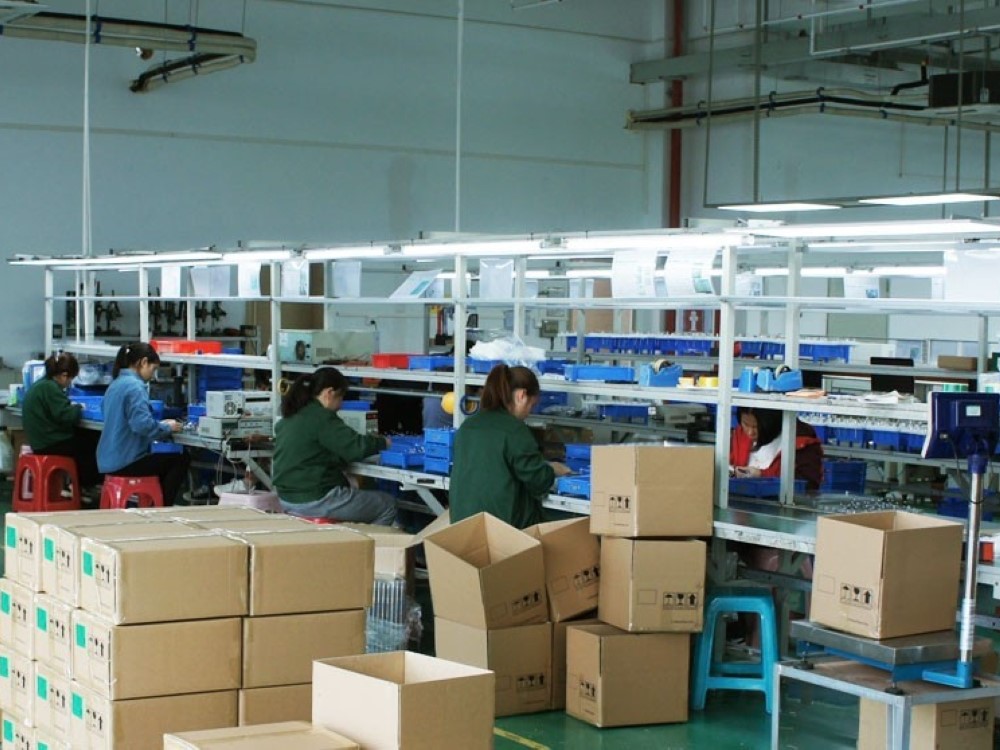
Shengfeng Electromagnet Co., Ltd. se estableció en 2015 y está ubicada en el Parque Industrial de Xiansha con un hermoso paisaje y transporte conveniente. La empresa cubre un área de 16000 metros cuadrados y tiene modernas plantas de producción, equipos de producción avanzados y un equipo técnico de alta calidad. Desde su establecimiento, siempre nos hemos adherido a la filosofía corporativa de “innovación, calidad y servicio”, enfocándonos en la investigación y el desarrollo y la producción de electroimanes, promoviendo constantemente las mejoras de los productos y el progreso tecnológico, y ofreciendo a los clientes productos y servicios de la mejor calidad.
¿Por qué elegir un electroimán SF?
CALIDAD SUPERIOR:Como el mejor fabricante de electroimanes de solenoide en China, nuestro equipo de control de calidad garantiza que cada producto que usted reciba sea de la mejor calidad. Contamos con equipos profesionales para pruebas de calidad.
DISEÑO DE PRODUCTO:Nuestro departamento de muestras cuenta con un proceso integral para convertir los diseños en realidad. Asimismo, optimizamos el diseño de su producto gracias a nuestra amplia experiencia. Cuéntenos qué le parece.
PLAZO DE ENTREGA ESTABLE:Como el mejor fabricante y proveedor de electroimanes, contamos con una capacidad de producción suficiente; los grandes pedidos no nos superan, ya que podemos entregarlos a tiempo.
MEJOR PRECIO:Somos una fábrica de origen de electroimanes y el mejor fabricante de solenoides de China; por eso podemos ofrecer productos de alta calidad al mejor precio.
GESTIÓN PRECISA:Nada se puede lograr si no implementamos una gestión precisa. Somos una empresa que cuenta con un sistema de gestión integral.
SERVICIO 24/7:Como fabricante líder de solenoides, ofrecemos una respuesta inmediata las 24 horas del día, los 7 días de la semana: valoramos sus comentarios para seguir mejorando como proveedores.
Preguntas frecuentes sobre electroimanes
Somos una empresa china de primera categoría. electroimán Somos fabricantes y nuestra fábrica está ubicada en Dongguan. ¡Le invitamos a visitar nuestra fábrica!
Nos especializamos en el diseño y producción de alta calidad. electroimán,válvula solenoide,como solenoide rotativo, solenoides biestables, solenoides de enclavamiento, solenoides de bastidor abierto, solenoides tubulares, solenoide autoajustable
Por supuesto, normalmente proporcionamos muestras gratuitas y usted solo debe cubrir el flete. Para muestras de electroimanes personalizadas, envíenos sus requisitos para que podamos calcular el costo de la muestra.
• La producción de muestras tarda aproximadamente 7 días.
Sí, ofrecemos servicios de diseño gratuitos, diseño estructural y diseño gráfico sencillo.
Claro. Podemos fabricar cualquier electroimán con su diseño. Ahora ofrecemos un servicio de solenoides ODM para pedidos pequeños, de 100 a 500 unidades, y puede incluir su propio logotipo.
Dependiendo de la cantidad del pedido y los detalles de producción, tardará entre 15 y 20 días aproximadamente.
Siempre una muestra de preproducción antes de la producción en masa; siempre una inspección final antes del envío.
• Potencia, uso, tamaño, material, cantidad, destino de envío, etc.
• También puede simplemente indicarnos sus necesidades y le recomendaremos productos.
• Por mar, por aire o por mensajería urgente.
• Si tiene su propio agente de transporte en China, el precio es el precio de fábrica o FOB.
•CFR o CIF, etc., si necesita que realicemos el envío en su nombre.
• También se pueden utilizar DDP y DDU.
• Cuantas más opciones tenga, más tendremos en cuenta sus preferencias.
• El precio se determina por la cantidad, el material, el método de procesamiento, el tamaño y otros factores. Además, debido a nuestra continua
Gracias a la innovación tecnológica, los precios de algunos de nuestros productos son extremadamente competitivos. Póngase en contacto con nosotros para solicitar un presupuesto.