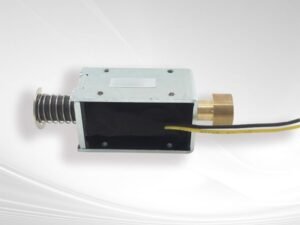










In the world of high-speed electromechanical design, the “click” of a solenoid should be instantaneous. However, many procurement managers and engineers face a frustrating, invisible bottleneck: the solenoid engages perfectly but drags during the reset, slowing down the entire machine cycle. This sluggishness is often caused by residual magnetism—the magnetic force that lingers in the iron core even after the power is cut.
At SF, as a solenoid manufacturer with over a decade of experience and a 6,000-square-meter facility, we have helped countless brands solve this performance degradation. The best part? You don’t always need expensive circuit modifications or exotic materials to fix it. This guide explores how to optimize your electromagnet solenoid for lightning-fast reset speeds without blowing your BOM budget.
1. The Science of Residual Magnetism: Why Your Solenoid Stays 'Stuck'
Residual magnetism occurs because the iron core of a solenoid is a “ferromagnetic” material. When energized, the magnetic domains inside the metal align, creating a strong pull. When the power is removed, these domains don’t instantly return to a state of disorder. This “magnetic memory” keeps a weak field active, which holds the plunger in the “on” position just long enough to cause a delay in mechanical reset.
2. Identifying the Reset Bottleneck in Your Custom Electromagnet
If your machine’s cycle time is lagging, look for the “magnetic lock” symptoms. A solenoid plagued by residual magnetism doesn’t just reset slowly; it often makes a soft “thud” instead of a crisp snap when returning to its home position. This lag, while measured in milliseconds, can cripple throughput in high-frequency applications like high-speed sorting, printing, or medical dispensing.
3. Cost-Effective Solution: The 'Air Gap' Strategy
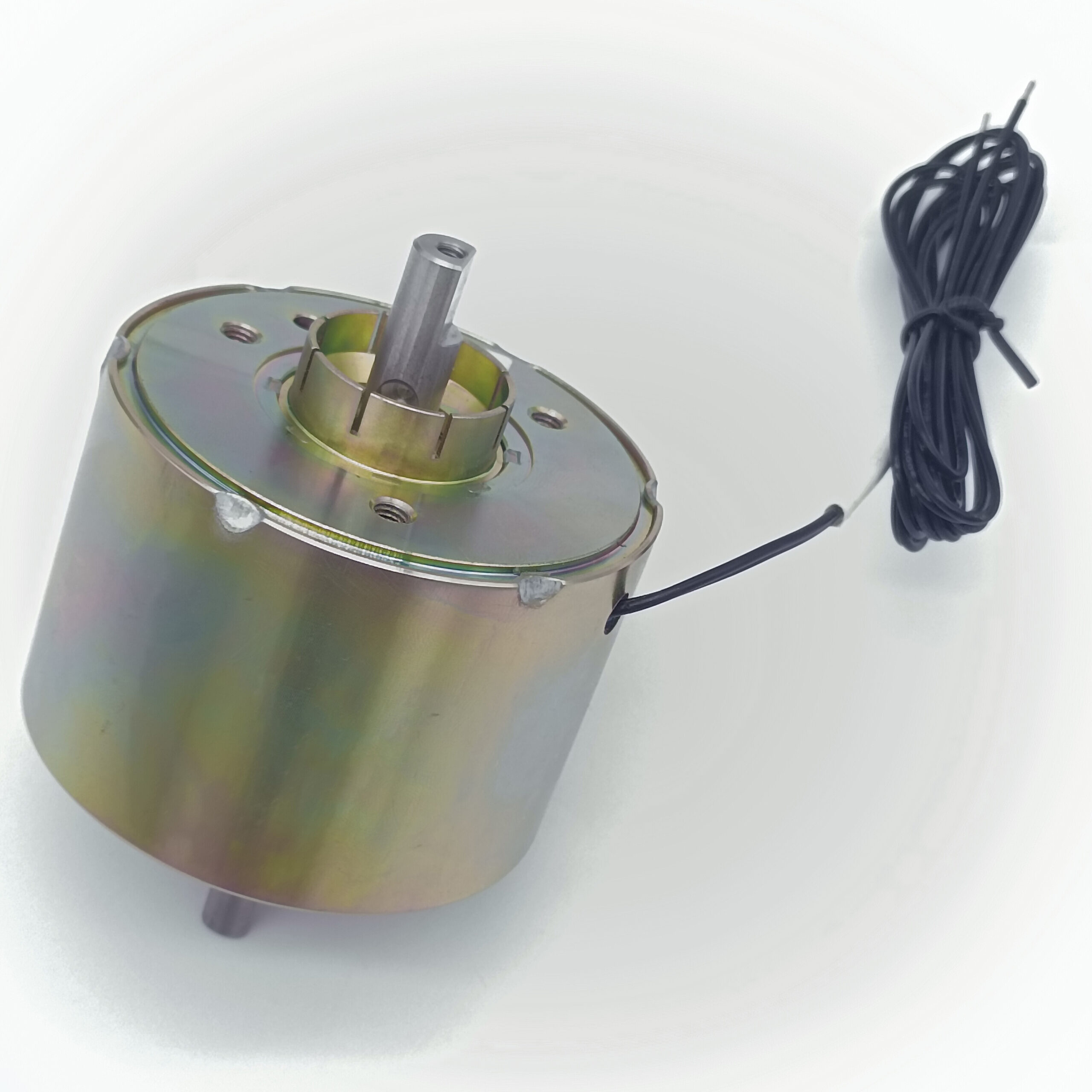
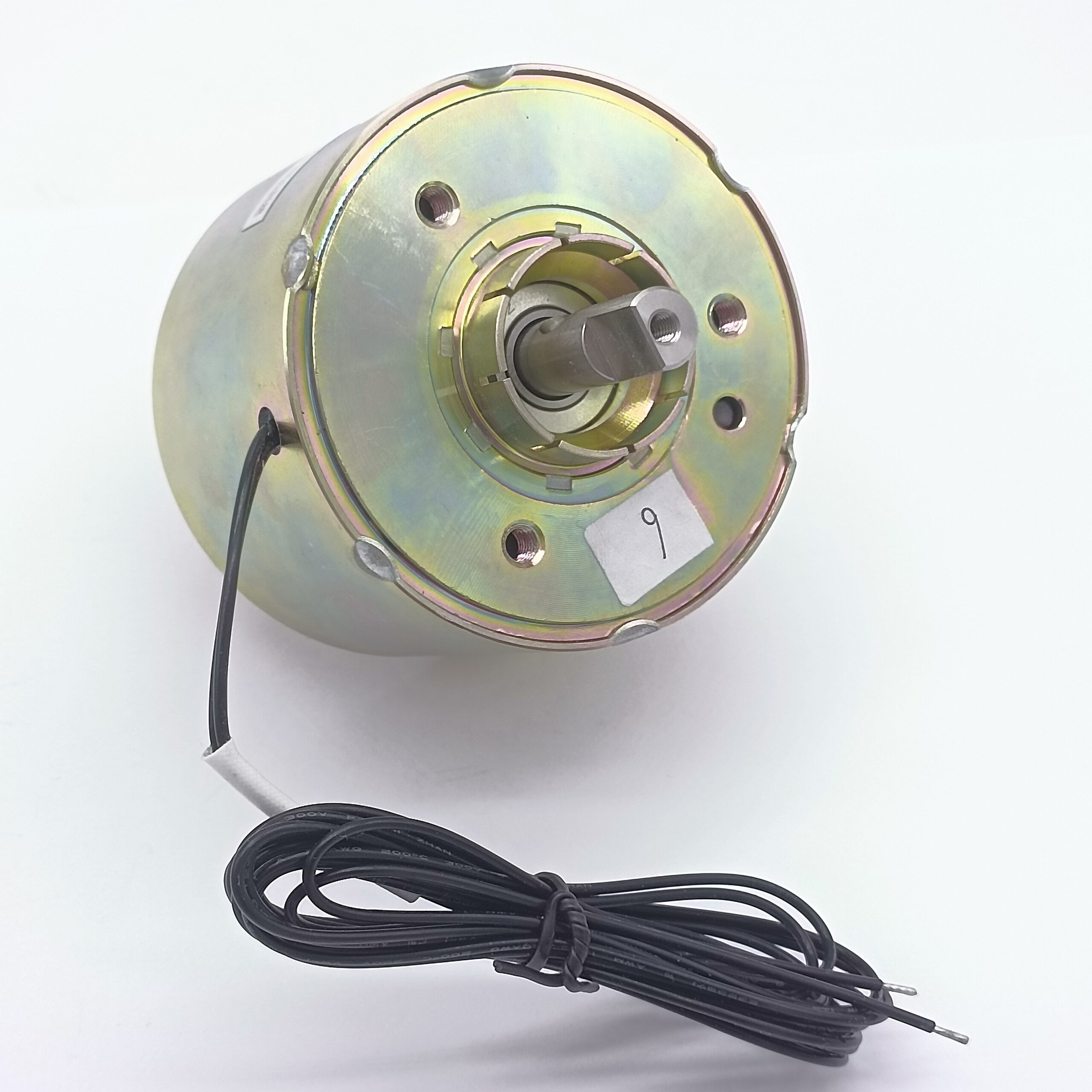
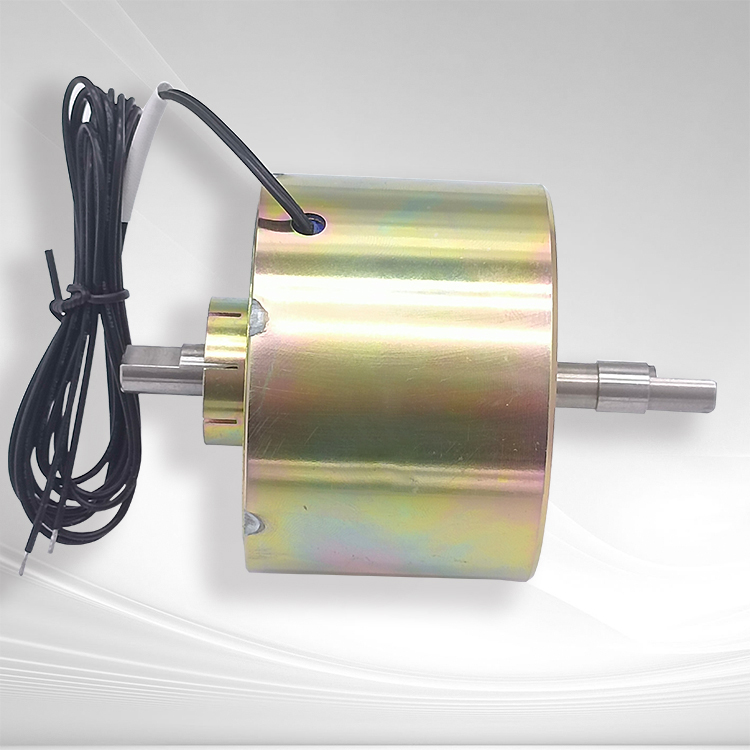
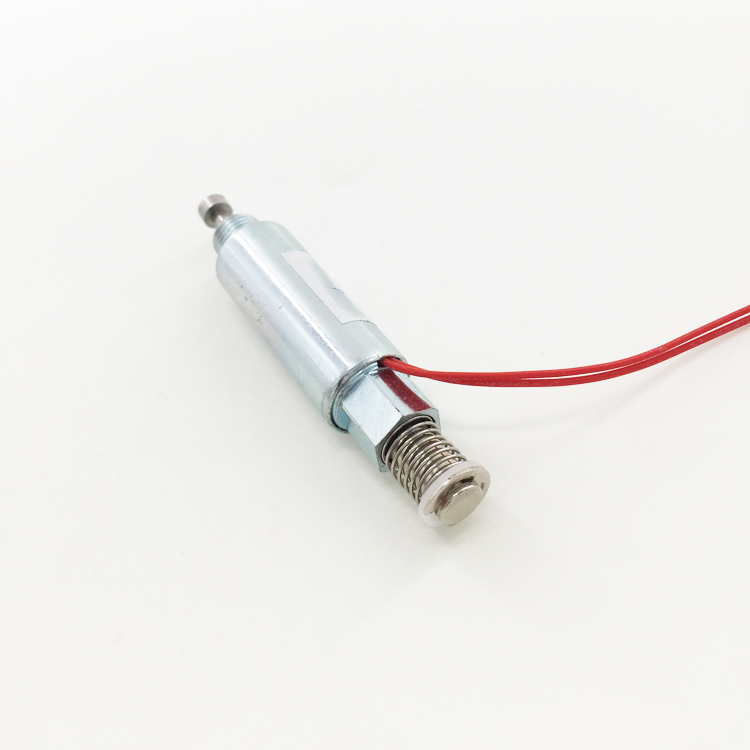
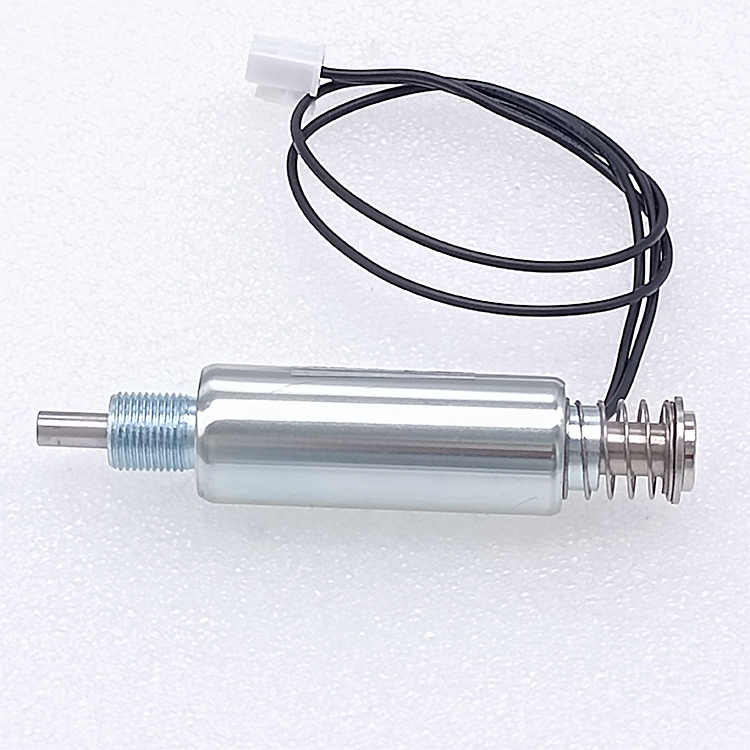
The most effective way to eliminate residual magnetism without adding material costs is through geometry. By introducing a non-magnetic spacer (or “residual shim”) at the striking face of the plunger, you prevent the iron core from making direct, flush contact with the stop. This small, permanent air gap prevents the magnetic field from reaching full saturation at the contact point, significantly reducing the “stickiness” upon power-off.
4. Selecting the Right Core Material for Fast Resets
Not all steel is the same. Low-carbon soft iron is excellent for force, but it retains magnetism longer. For high-speed applications, we often suggest using silicon steel or specific electrical steels with lower coercivity. While these materials might have a nominal price difference, choosing the right material during the initial design phase—rather than upgrading later—keeps your total cost constant.
5. Engineering Case Study: The 30% Speed Increase
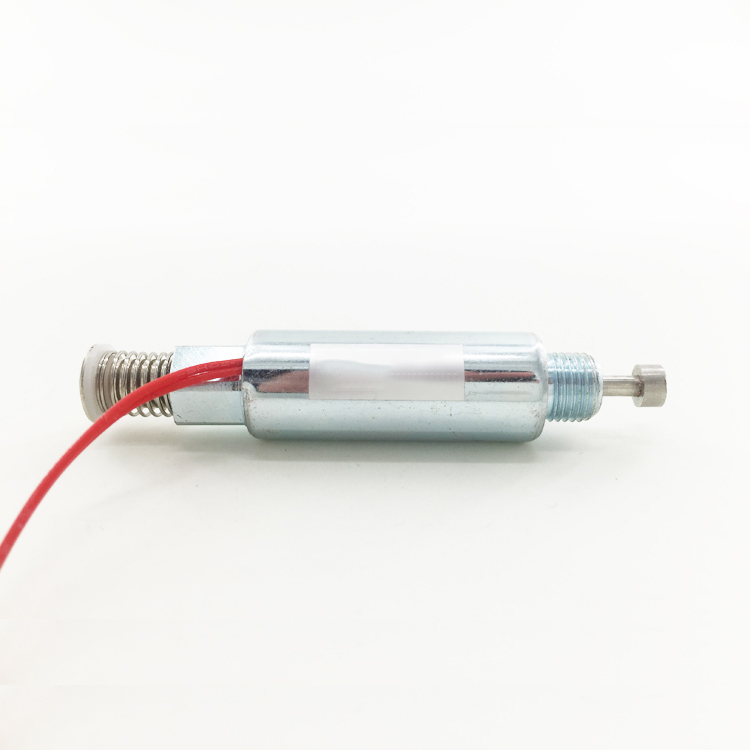
We once worked with a packaging machinery client whose sorting solenoids were limited to 150 cycles per minute due to reset drag. By simply modifying the plunger tip profile and incorporating an integrated non-magnetic cushion, we reduced the release time by 40%. The client achieved a 30% increase in machine throughput, all while using the same housing and coil design, proving that clever engineering beats expensive upgrades every time.
6. Minimizing Residual Magnetism Through Plating
Sometimes the “stick” isn’t purely magnetic—it’s mechanical. If the plunger face is too smooth, “surface tension” and micro-welding can mimic the effects of residual magnetism. By using a specialized textured plating or a thin non-magnetic hard-chrome coating, we create microscopic reservoirs that break the vacuum effect, allowing the spring to pull the plunger back instantly.
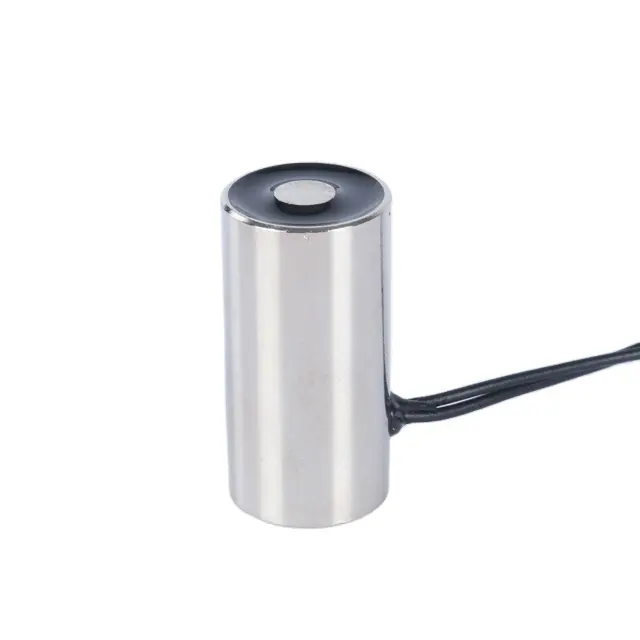
7. Optimizing Spring Tension: The Balanced Approach
An oversized return spring is often used as a “band-aid” for slow resets, but this forces the solenoid to work harder, generating more heat and consuming more power. A professional solenoid factory will help you calculate the exact force needed for the reset without compromising the “pick” force. Balancing the spring constant is the most cost-effective way to ensure a crisp, reliable return stroke.
8. Circuit Design: The Invisible 'Demagnetizer'
Did you know your control circuit can kill residual magnetism? A simple “reverse current pulse” or a specific RC snubber circuit can quickly cancel out the remnant field at the moment of de-energization. We provide our clients with design references for these circuits, allowing you to optimize performance using standard, off-the-shelf electronic components.
9. How to Choose the Right Electromagnet Solenoid for Speed
When you order your next batch, don’t just specify “force.” Specify “Reset Time.” A top-tier solenoid manufacturer will include the release time in their performance data. Always ask: “What is the magnetic decay time of this core material under full load?” If they can’t answer, they aren’t looking deep enough into your performance requirements.
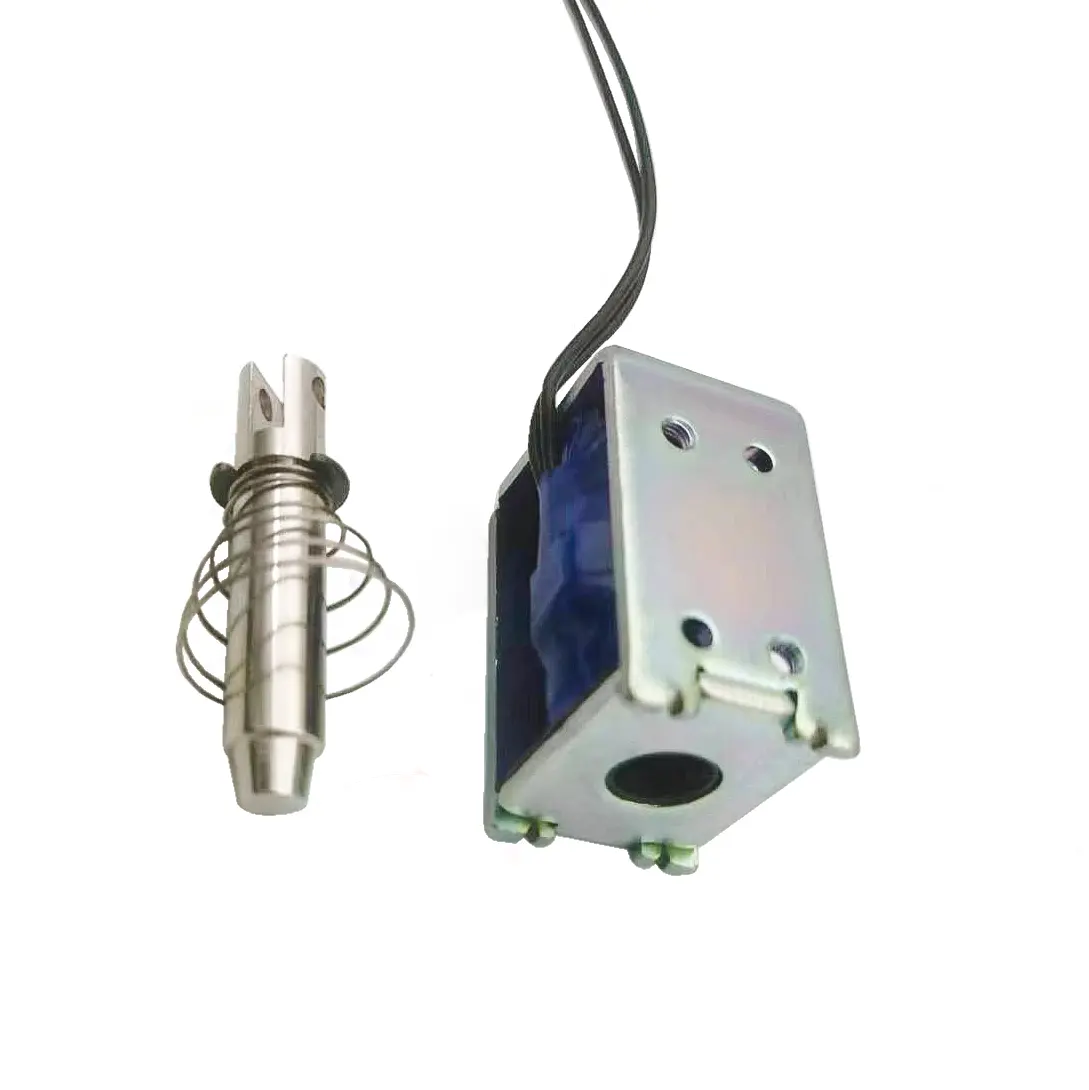
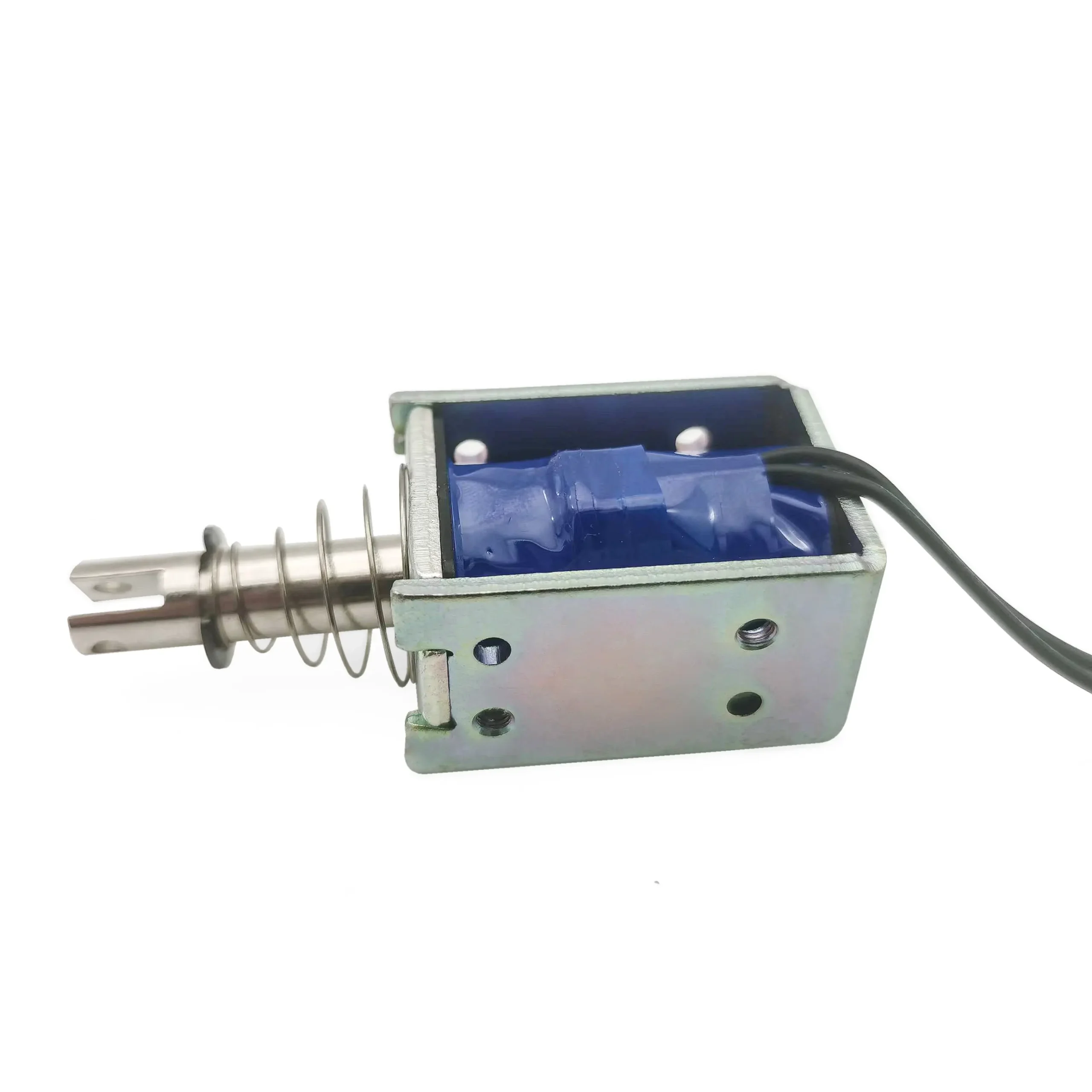
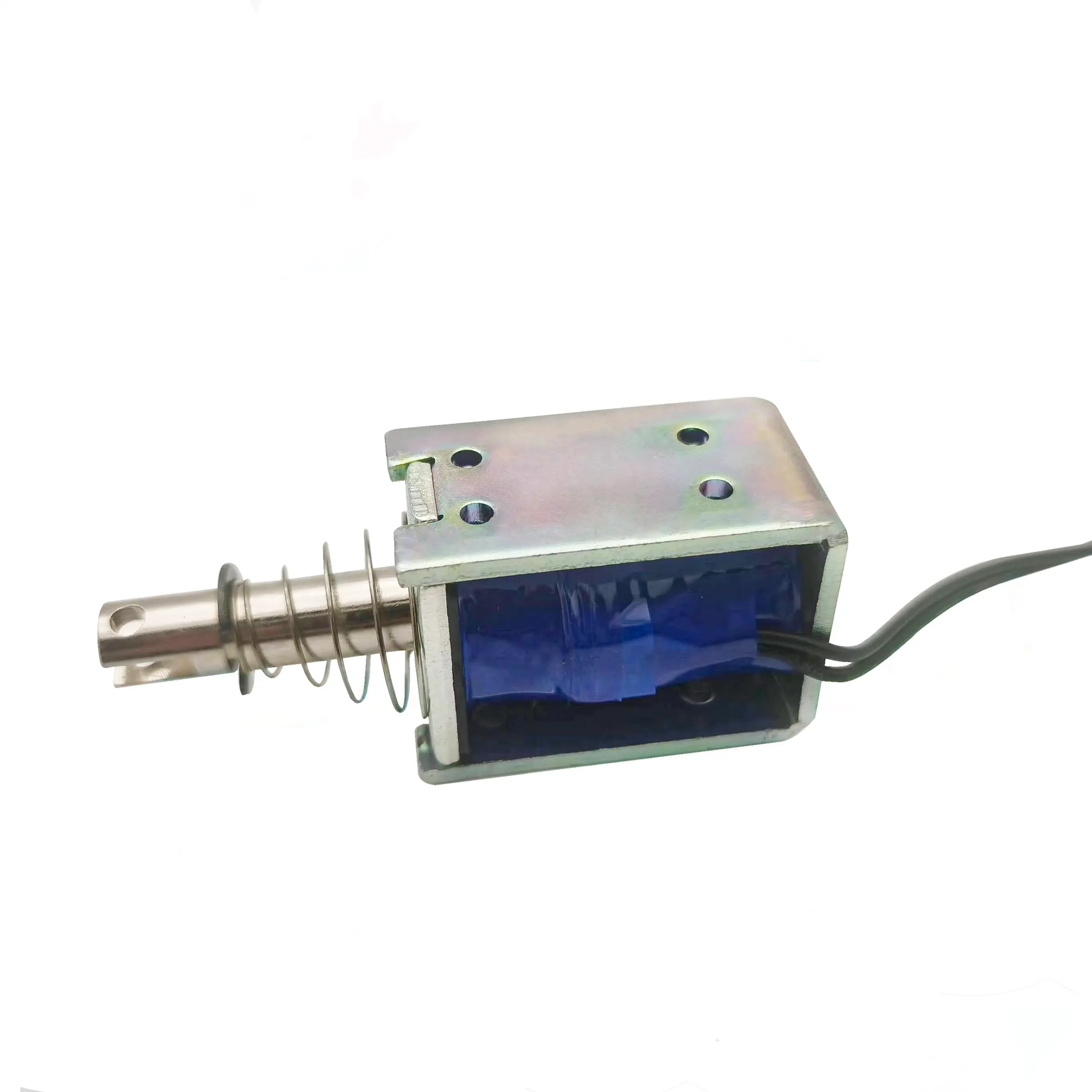
10. Evaluating a Solenoid Factory: The Technical Audit
How do you know if your solenoid factory is capable of this level of optimization? Look for these three signs during the vetting process:
Advanced Simulation: Do they use FEA (Finite Element Analysis) to model magnetic flux saturation?
In-House Testing: Do they have oscilloscopes and high-speed cameras to verify reset timing?
Collaborative Design: Do they ask about your application’s cycle frequency, or just your voltage and force specs?
11. Custom Electromagnet Development vs. Off-the-Shelf
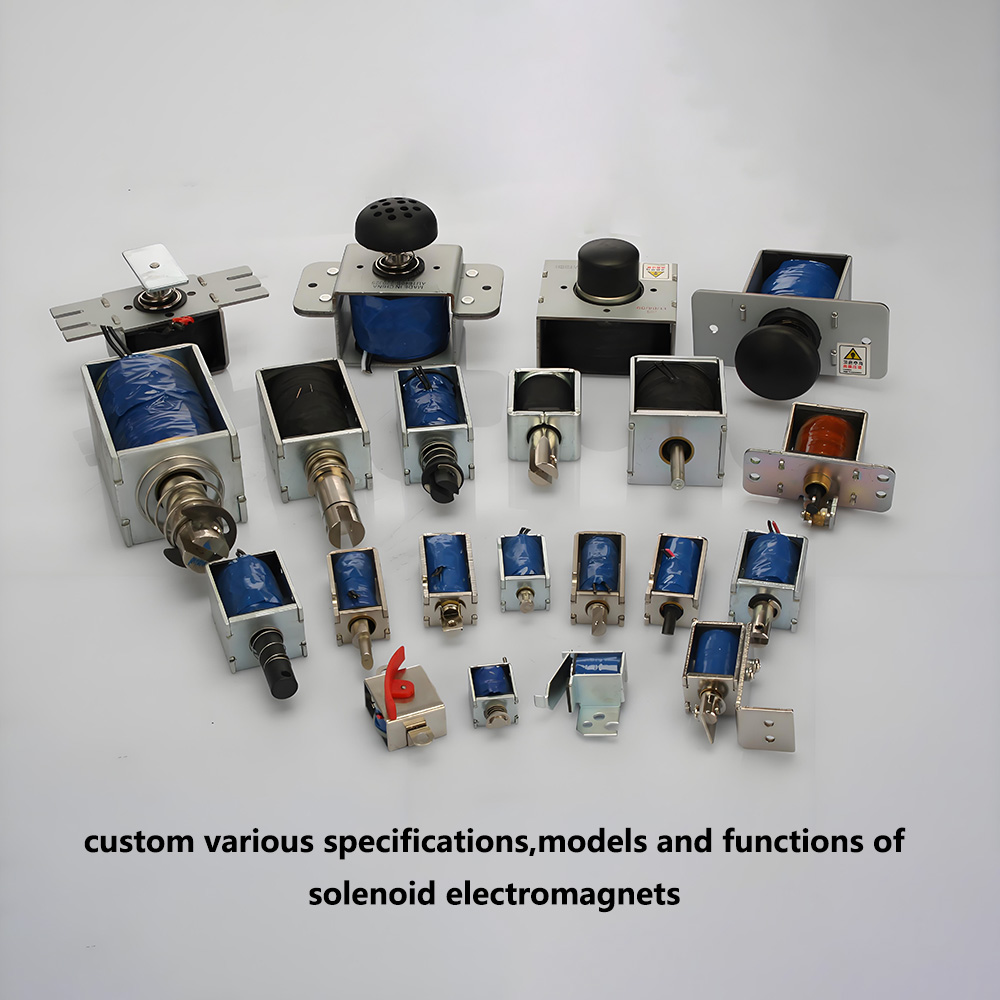
Off-the-shelf solenoids are mass-produced for the “average” use case. They are often “over-engineered” in force but “under-engineered” in release speed. By working with SF to design a custom electromagnet, you only pay for the material you need, and you gain a design optimized specifically to eliminate the lag you are currently experiencing.
12. Troubleshooting: Is it Residual Magnetism or Friction?
Before you overhaul your design, do a quick test: Does the plunger move freely by hand when the power is off? If there is resistance, it’s mechanical friction (coating or tolerance issue). If it moves freely but “hugs” the stop when you apply power and then turn it off, it’s residual magnetism. Knowing the difference saves you thousands in unnecessary development costs.
13. Sustainability: Faster Cycles Mean Lower Energy Costs
Every millisecond of “stick” is a millisecond of wasted energy. By eliminating residual magnetism, your solenoid runs cooler, lasts longer, and consumes less electricity per cycle. Designing for efficiency isn’t just good for performance; it’s a long-term cost-saving strategy for your entire machine platform.
14. Scaling Your Production with SF
We understand that you need these high-speed solutions to be repeatable, whether you are building 10 machines or 10,000. Our 6,000-square-meter facility is equipped with the automated testing rigs needed to ensure that every single unit in your order meets the same strict release-time standards.
15. Your Partner in Precision Motion
Residual magnetism shouldn’t be the reason your machines miss their throughput targets. With over 10 years of experience, a dedicated team of engineers, and a global export footprint covering over 60 countries, SF is uniquely positioned to help you solve these invisible technical challenges.
Why SF is Your Ideal Solenoid Partner
You have the vision for a high-performance machine; don’t let a sluggish solenoid be the reason it falls short. If you are struggling with performance lag or need a partner who understands the deep physics of electromagnetism, contact the engineering team at SF today. Let’s work together to build a faster, more efficient, and more reliable future for your products.
Custom all kinds of electromagnet, contact SF electromagnet factory whatsapp +86 189 0261 1680