









Last Updated on 2026-08-11 by SolenoidFactory
Doğru olanı seçmek solenoid fabrikası is one of the most critical decisions for any OEM project. A supplier may advertise low prices, fast lead times, or extensive product catalogs, but these claims do not necessarily reflect actual engineering capability or manufacturing capacity.
In today’s competitive industrial market, choosing the wrong China solenoid manufacturer can result in delayed product launches, inconsistent quality, high warranty costs, repeated engineering revisions, and supply chain disruptions.
Conversely, partnering with a professional özel solenoid üreticisi enables OEM customers to shorten development cycles, improve product reliability, optimize costs, and build long-term supply stability.
This guide examines the key engineering and manufacturing factors buyers should evaluate when vetting a solenoid fabrikası, including production capacity, engineering expertise, quality systems, customization capability, testing facilities, supply chain management, and real-world OEM experience. It also shares practical case studies and explains why SF has become a trusted manufacturing partner for customers in more than 60 countries and regions.
1. Why Vetting a Solenoid Factory Is More Important Than Comparing Prices
Many purchasing teams begin supplier selection by requesting quotations from several factories. While price is important, it should never be the primary evaluation criterion.
For a custom elektromıknatıs solenoidi, engineering capability directly affects:
- Product performance
- Service life
- Manufacturing consistency
- Development speed
- Warranty costs
- Future scalability
A low-cost supplier without sufficient engineering resources may initially appear attractive, but repeated redesigns, inconsistent production, and field failures often lead to significantly higher total ownership costs.
Key Takeaway: The lowest quotation rarely represents the lowest lifecycle cost. Evaluate engineering capability before comparing prices.
2. Trading Company vs. Real Solenoid Factory
One of the first questions every buyer should answer is:
“Am I communicating with an actual factory or a trading company?”
A trading company can be useful for standard products, but complex OEM projects usually require direct communication with the manufacturer.
Characteristics of a Trading Company
- Limited technical support
- No production equipment
- Longer communication chain
- Slower engineering changes
- Less control over quality
Characteristics of a Professional Solenoid Factory
- In-house engineering team
- Dedicated production workshops
- Proses kontrolü
- Prototype capability
- Direct quality management
- Faster response to design modifications
Table 1. Trading Company vs. Solenoid Factory
| Capability | Trading Company | Professional Solenoid Factory |
|---|---|---|
| Engineering Support | Limited | Excellent |
| Custom Design | Basic | Advanced |
| Production Control | No | Full |
| Prototype Development | Outsourced | In-house |
| Quality Traceability | Limited | Complete |
| Lead Time Flexibility | Lower | Higher |

3. Manufacturing Scale Reflects Production Stability
Factory size alone does not guarantee quality, but it often indicates manufacturing maturity and production stability.
When evaluating a solenoid fabrikası, consider:
- Factory area
- Production lines
- CNC machining equipment
- Coil winding machines
- Assembly lines
- Testing laboratories
- Warehouse capacity
A factory with dedicated production areas is generally better equipped to manage multiple OEM projects simultaneously.
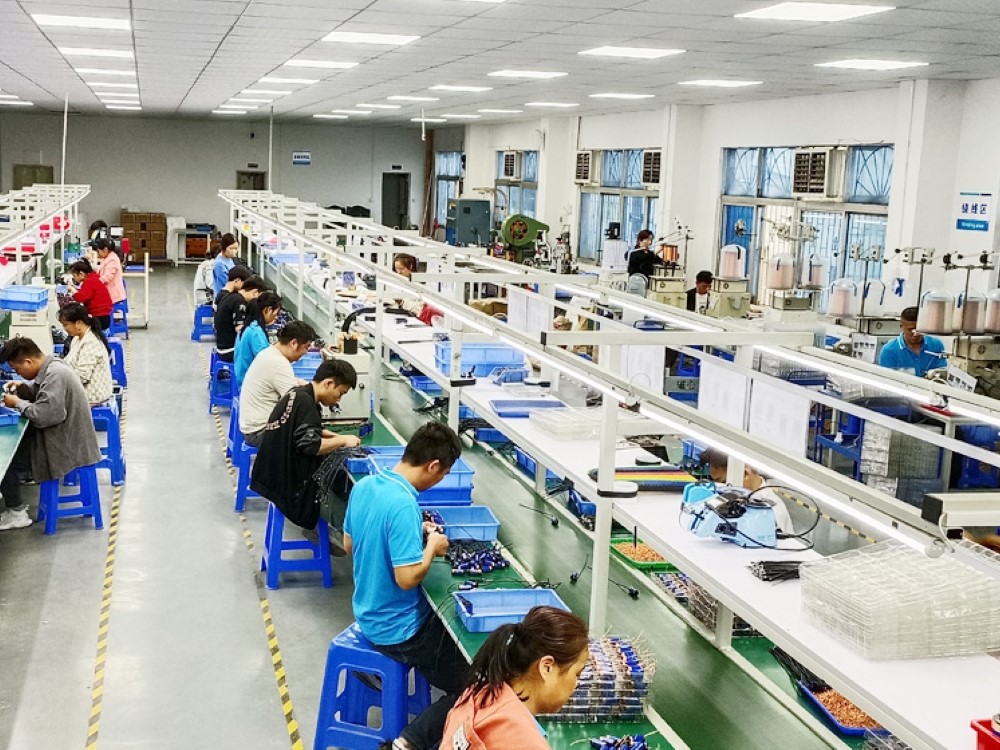
For example, SF’s 6,000㎡ manufacturing facility supports precision machining, automated winding, assembly, inspection, and lifecycle testing under one roof, ensuring consistent quality and reliable production capacity.
4. Engineering Capability Is the Core Competitive Advantage
The biggest difference between suppliers is often not equipment—it is engineering expertise.
Bir profesyonel özel solenoid üreticisi should be capable of assisting customers with:
- Electromagnetic circuit design
- Kuvvet vuruşu optimizasyonu
- Coil calculation
- Termal analiz
- Response time optimization
- Malzeme seçimi
- Surface treatment recommendations
- Manufacturability improvements
The engineering team should participate from concept design through mass production.
Engineering Insight: Experienced engineers often reduce development time more effectively than expensive production equipment.
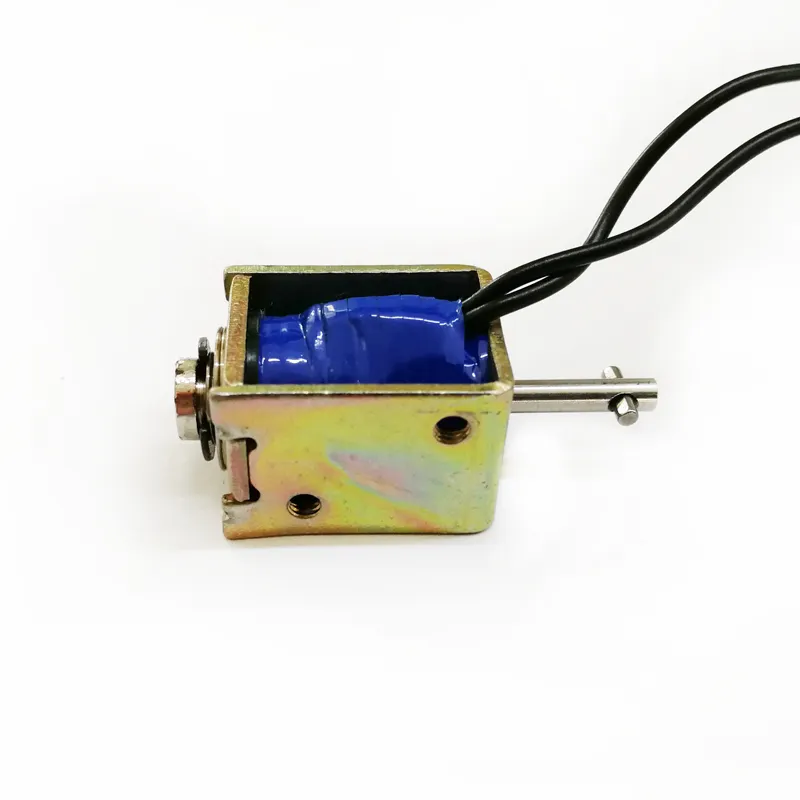
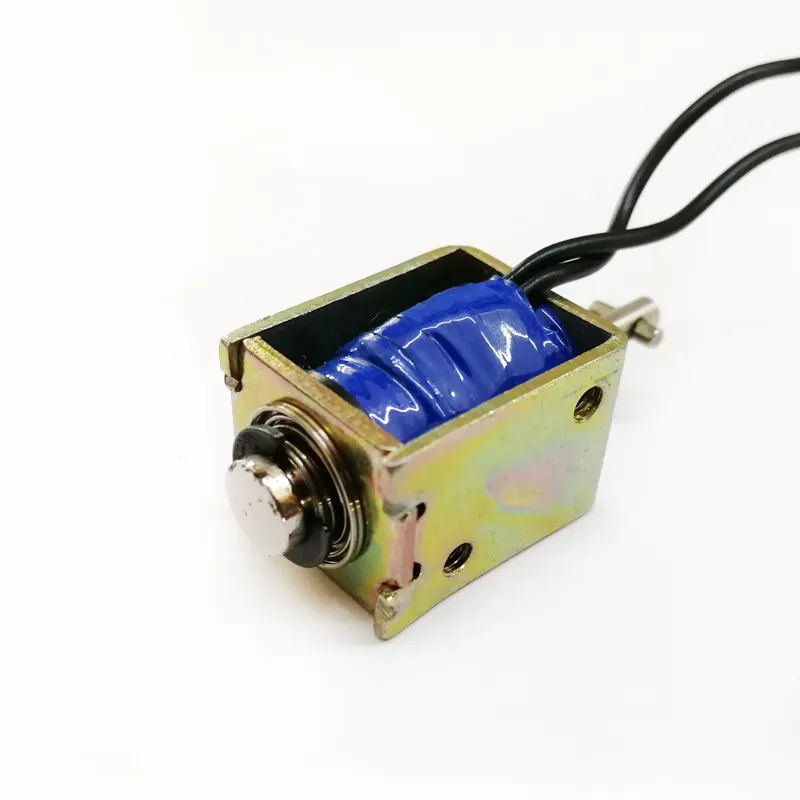

5. Design Capability Determines Product Performance
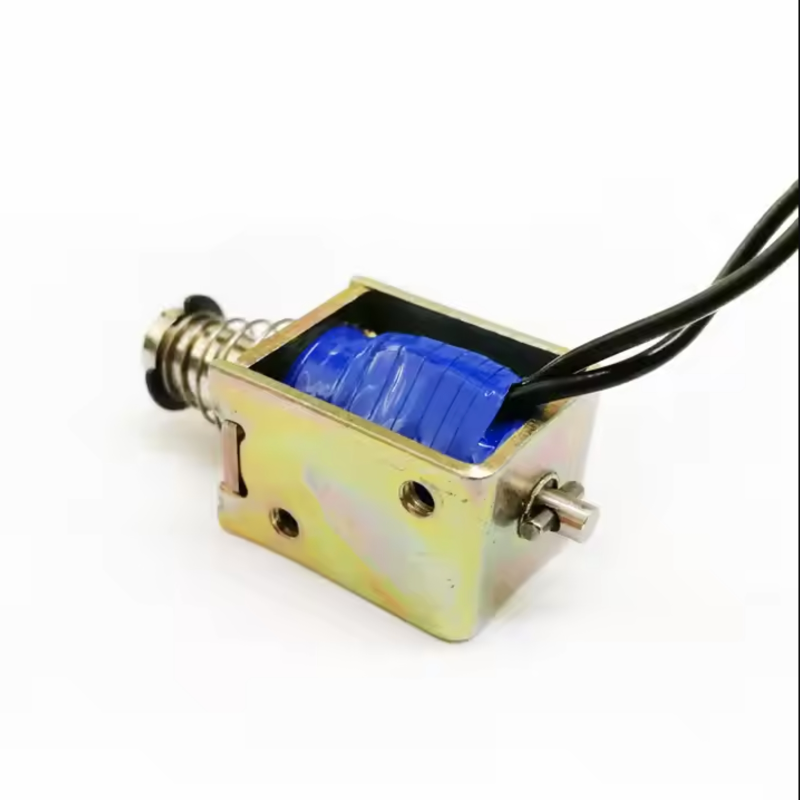
Design capability is far more than converting a drawing into a finished product.
Professional engineering teams evaluate:
- Operating voltage
- Stroke length
- Çekme kuvveti
- Görev döngüsü
- Sıcaklık artışı
- Environmental conditions
- Mechanical tolerances
- Response speed
- Service life targets
By considering the complete application environment, engineers can recommend structural improvements before production begins, reducing future redesigns and warranty claims.
6. Production Equipment Defines Manufacturing Precision
High-performance elektromıknatıs solenoidi products require precision manufacturing.
Key equipment includes:
- CNC işleme merkezleri
- Precision grinding machines
- Automatic coil winding equipment
- Laser welding systems
- Automated assembly stations
- Vision inspection systems
- Force testing equipment
Modern production equipment improves:
- Dimensional consistency
- Production efficiency
- Repeatability
- Process stability

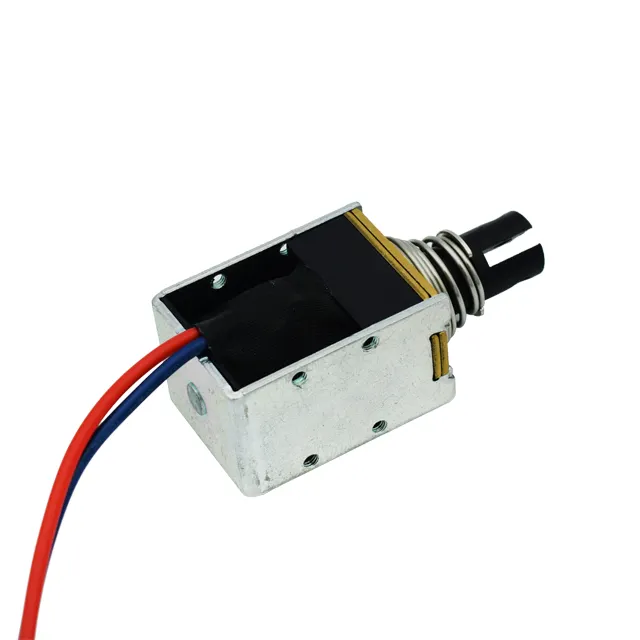

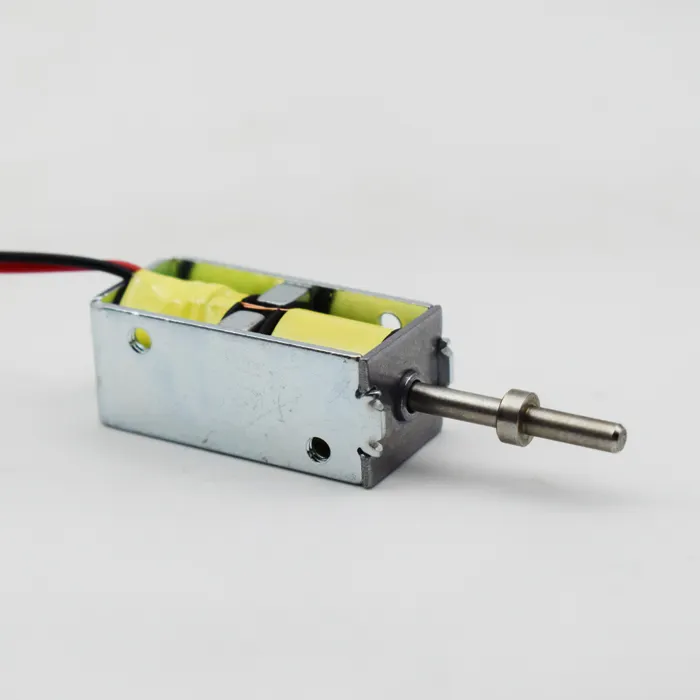
7. Process Control Is More Important Than Individual Machines
Having advanced equipment alone is insufficient.
Professional factories establish standardized manufacturing processes covering:
- Gelen malzeme denetimi
- Machining inspection
- Bobin direnci doğrulaması
- Assembly inspection
- Fonksiyonel test
- Final inspection
- Packaging verification
Every production stage should have measurable quality standards.
8. Quality Management System
Reliable China solenoid manufacturers build quality into every production step rather than relying solely on final inspection.
Typical quality control measures include:
- Incoming raw material verification
- Coil resistance testing
- Çekme kuvveti ölçümü
- Yanıt süresi testi
- Voltage testing
- Sıcaklık artışı testi
- Tuz püskürtme testi
- Yaşam döngüsü testi
Table 2. Typical Quality Tests
| Test | Purpose |
|---|---|
| Pull Force Test | Verify output force |
| Resistance Test | Coil consistency |
| Stroke Measurement | Dimensional accuracy |
| Response Time Test | Dynamic performance |
| Temperature Rise Test | Thermal reliability |
| Salt Spray Test | Corrosion resistance |
| Life Cycle Test | Long-term durability |
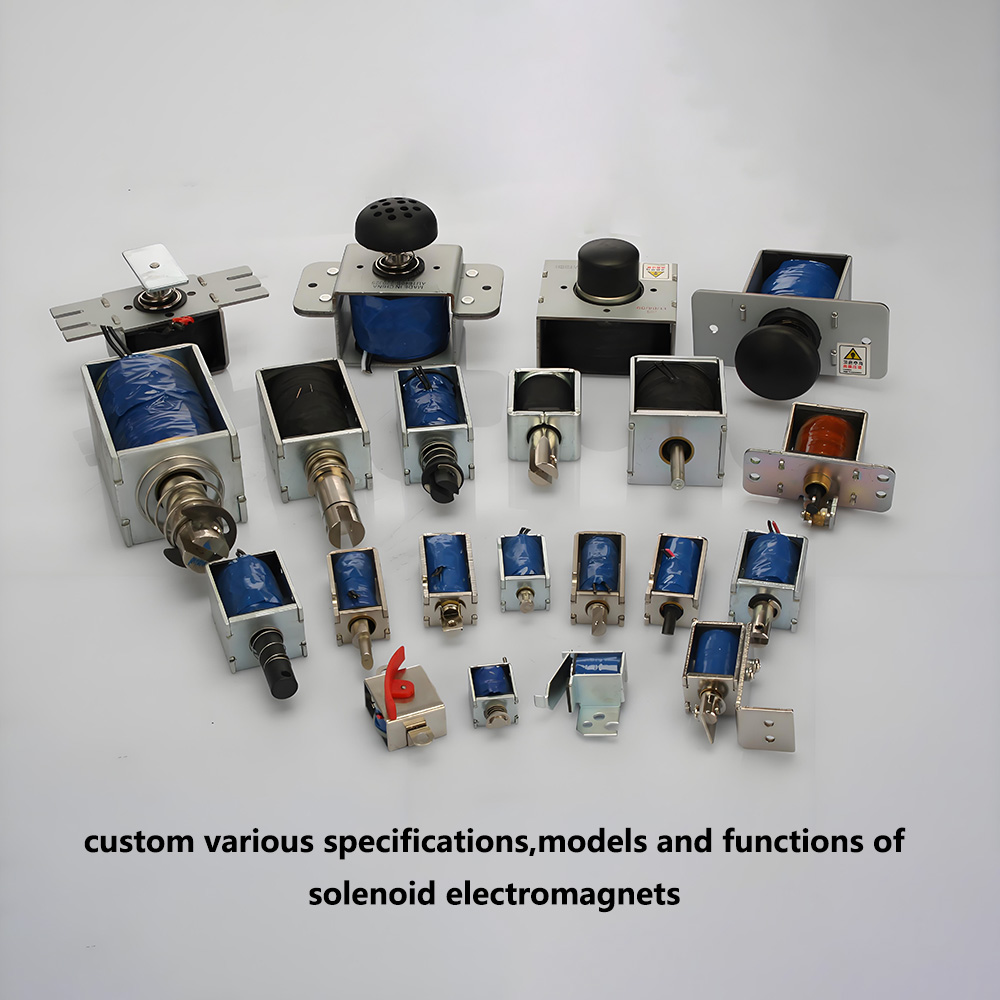
explore part 2
Part 2 will continue with:
- OEM and ODM customization capability
- Supply chain management
- Production capacity planning
- Prototype development process
- Four real customer case studies
- Smart lock project
- Coffee machine project
- Automotive actuator project
- Medical equipment project
- Manufacturing lead time optimization
- Engineering checklist for auditing a solenoid fabrikası
- Supplier comparison tables
This second part will move from factory evaluation into real-world manufacturing capability and OEM project execution.
Her türlü elektromıknatıs için özel sipariş verebilirsiniz, SF Elektromıknatıs Fabrikası ile iletişime geçin. WhatsApp +86 189 0261 1680