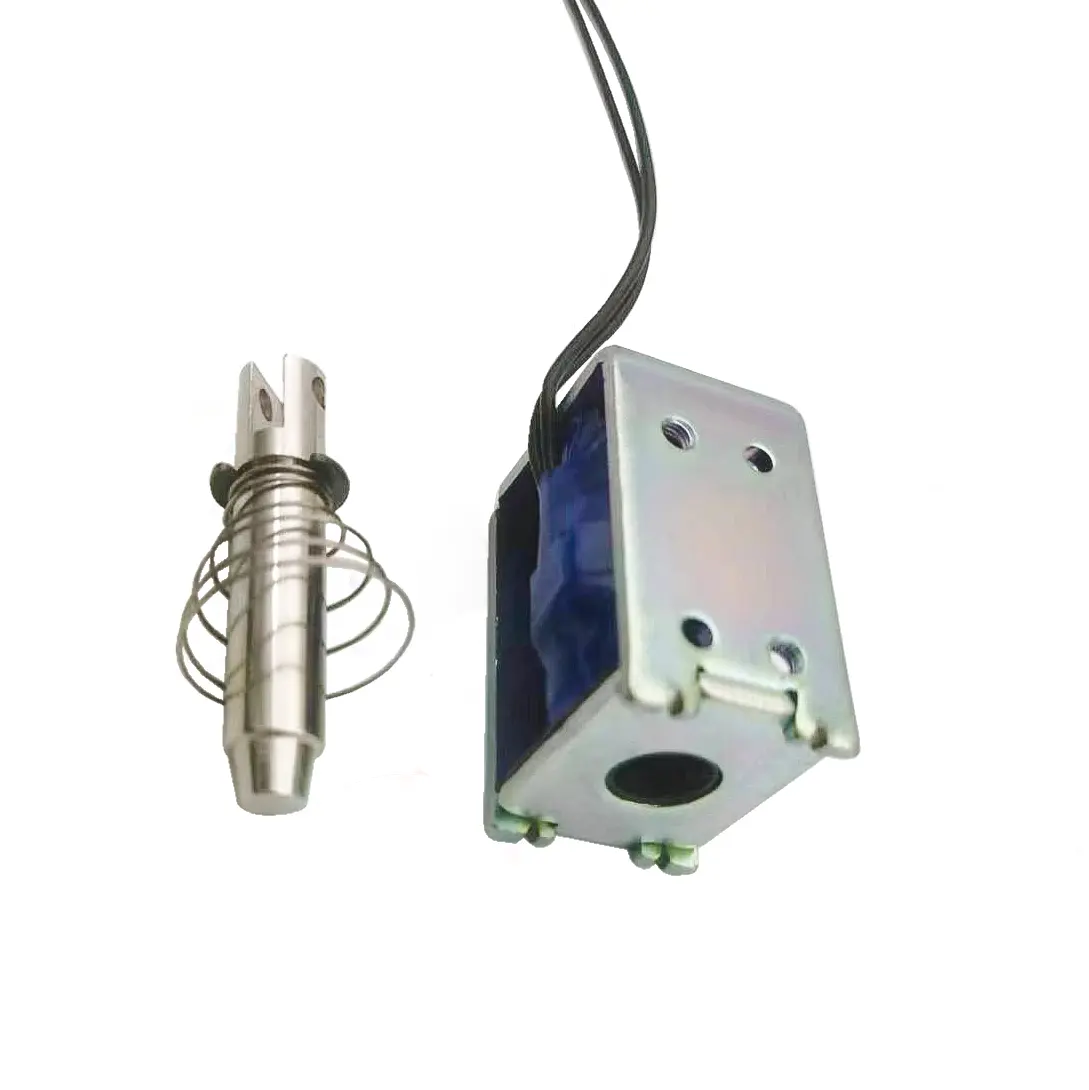
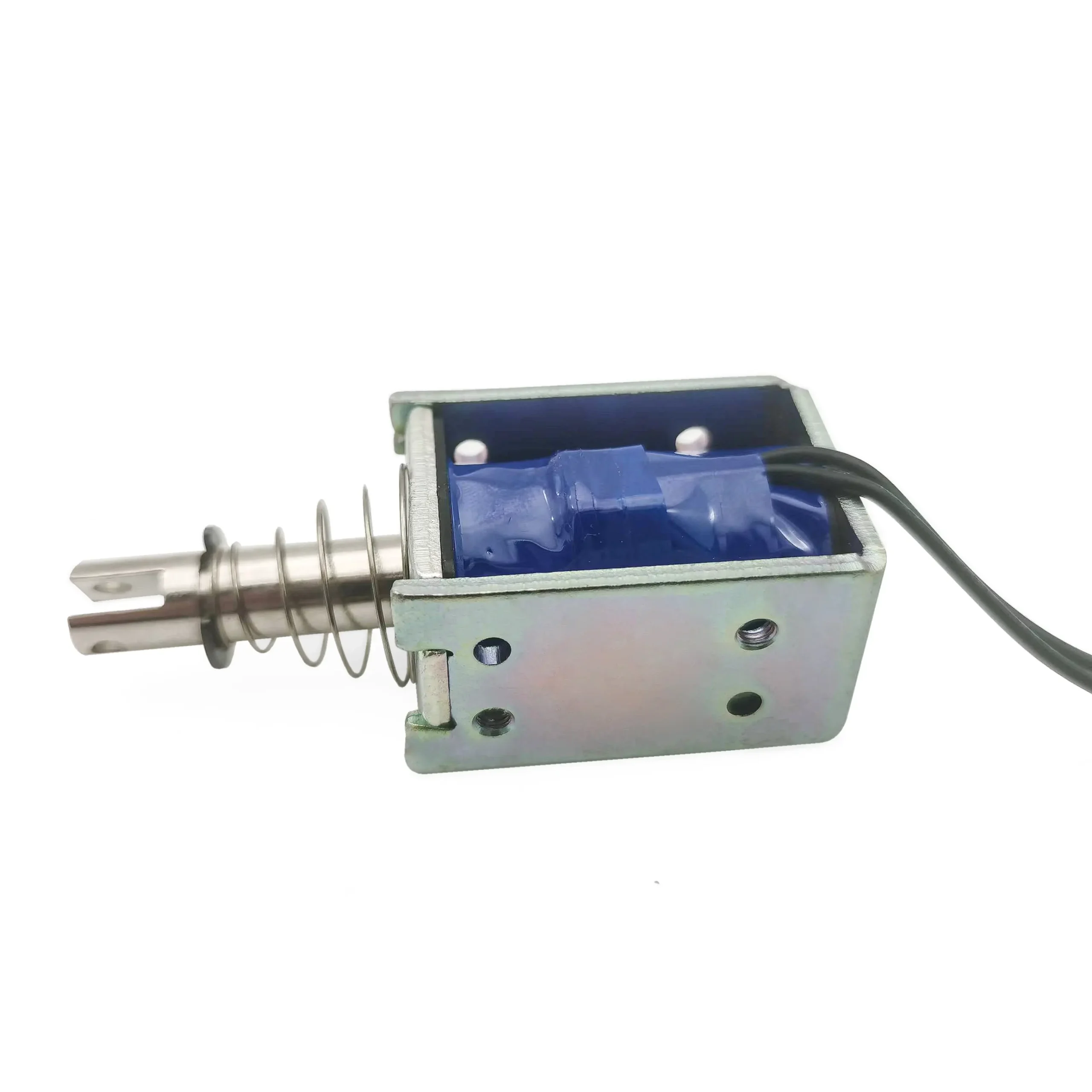
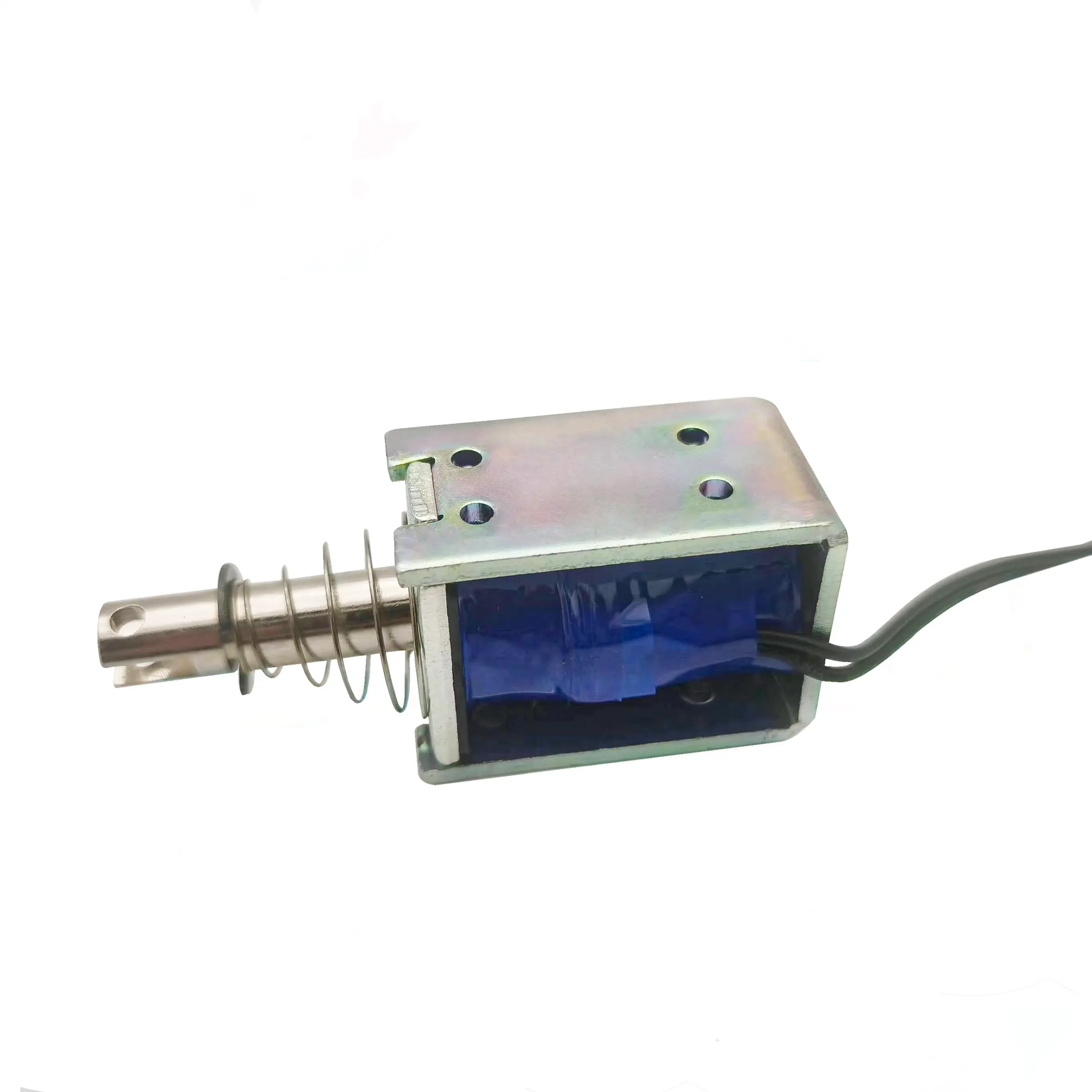
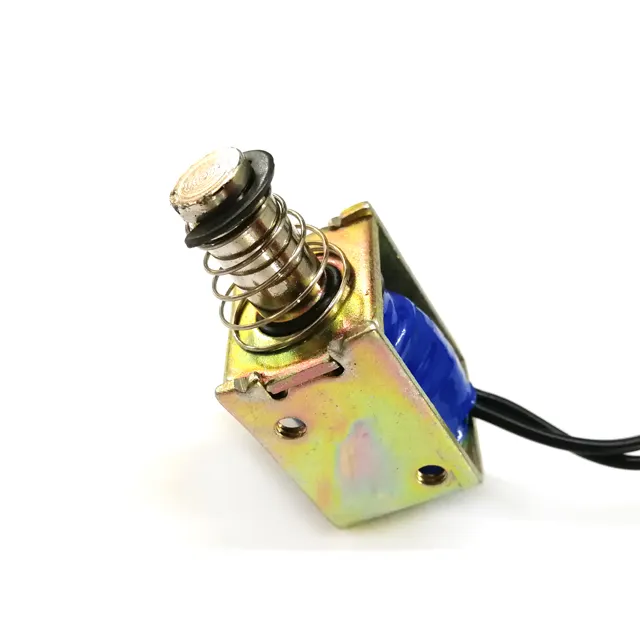
Eletroímãs are fascinating devices that have revolutionized countless industries and technologies. From simple classroom experiments to complex industrial applications, these versatile tools have become indispensable in our quest for innovation and efficiency. But what exactly is an eletroímã, and what functions does it serve? In this comprehensive guide, we will explore the science behind electromagnets, their diverse applications, and the principles that govern their behavior. By the end, you’ll have a comprehensive understanding of these remarkable devices and their myriad uses.
The Basics of Electromagnet
Um eletroímã is a type of magnet that generates a magnetic field when an electric current passes through a coil of wire. Unlike permanent magnets, which maintain their magnetism without an external power source, electromagnets require a continuous current to produce a magnetic field. This dynamic nature makes them incredibly versatile, allowing for precise control and adjustment of the magnetic field’s strength and direction.
The core of an electromagnet is typically made from a ferromagnetic material, such as iron, nickel, or cobalt. These materials have a high magnetic permeability, meaning they easily align their magnetic domains with an external magnetic field. When an electric current flows through the coil wrapped around the core, it creates a magnetic field that magnetizes the core, turning it into a temporary magnet.
The strength of the electromagnetic field depends on several factors, including the amount of current flowing through the coil, the number of turns in the coil, and the material and shape of the core. Increasing the current or the number of turns will typically result in a stronger magnetic field. The choice of core material also plays a crucial role; materials with higher magnetic permeability and saturation magnetization will produce stronger fields.
How An Electromagnet Work
The principle behind eletroímãs is rooted in the fundamental laws of electromagnetism, particularly Ampere’s Law and Faraday’s Law of Induction. Ampere’s Law states that a magnetic field is created around any conductor carrying an electric current. The direction of this field can be determined using the right-hand rule: if you grasp the wire with your right hand and curl your fingers in the direction of the current, your thumb will point in the direction of the magnetic field.
Faraday’s Law of Induction explains how a changing magnetic field can induce an electric current in a nearby conductor. While this principle is more commonly associated with generators and transformers, it also plays a role in the behavior of electromagnets. When the current in the coil changes, it causes the magnetic field to change, which can induce currents in nearby conductors or affect the magnetization of the core.
In an eletroímã, the current flowing through the coil creates a circular magnetic field around the wire. This field magnetizes the core, aligning its magnetic domains with the field’s direction. The more turns in the coil, the more magnetic field lines are created, and the stronger the resulting magnetic field. The core material amplifies this field, focusing it and making it more intense.
Functions and Applications of Electromagnet
Electromagnets serve a wide range of functions and are found in countless applications across various industries. Here are some of the most common uses:
Lifting and Holding Heavy Objects: Electromagnets are commonly used in industrial settings to lift and hold heavy metal objects. Cranes and lifting magnets in scrap yards, steel mills, and shipping ports rely on electromagnets to handle tons of material safely and efficiently. By energizing the coil, the electromagnet becomes strong enough to lift the object. When the current is turned off, the magnetic field disappears, and the object can be released.
Particle Accelerators and High-Energy Physics: Particle accelerators like the Large Hadron Collider (LHC) use powerful electromagnets to steer and accelerate charged particles to near-light speeds. These magnets create intense magnetic fields that can deflect and focus particle beams with extreme precision. In high-energy physics experiments, electromagnets are also used to create magnetic traps and containers for studying fundamental particles and forces.
Magnetic Resonance Imaging (MRI): MRI machines use large, superconducting electromagnets to create strong, homogeneous magnetic fields for imaging the human body. These magnets align the magnetic moments of hydrogen atoms in the body, which can then be manipulated and detected using radiofrequency waves to produce detailed images of internal structures. The strength and stability of the magnetic field are crucial for the accuracy and resolution of the images.
Electric Motors and Generators: Electromagnets play a vital role in the operation of electric motors and generators. In motors, electromagnets create rotating magnetic fields that interact with permanent magnets or other electromagnets to produce torque and mechanical power. In generators, mechanical energy is converted into electrical energy by using a rotating armature to cut magnetic flux lines and induce a current in the windings.
Electromagnetic Locks and Security Systems: Electromagnetic locks, or mags locks, use electromagnets to secure doors, gates, and other entry points. When energized, the electromagnet attracts a ferromagnetic armature or keeper, locking the door in place. These locks are commonly used in high-security applications, such as banks, data centers, and government facilities, due to their reliability and tamper-resistance.
Magnetic Levitation (Maglev) Trains: Maglev trains use electromagnets to levitate and propel vehicles above the track, reducing friction and improving efficiency. The trains contain superconducting electromagnets that interact with coils in the track to create a repulsive force that lifts the train off the ground. This technology allows for higher speeds, smoother rides, and reduced energy consumption compared to traditional trains.
Sensors and Switches: Electromagnets are used in various sensors and switches to detect the presence of magnetic fields or ferromagnetic objects. Reed switches, for example, consist of two ferromagnetic reeds sealed in a glass tube. When a magnetic field is applied, the reeds are attracted to each other, closing the circuit. These switches are commonly used in security systems, level indicators, and fluid flow sensors.
Speakers and Headphones: Speakers and headphones use electromagnets to convert electrical signals into sound waves. In these devices, a current-carrying coil is suspended in a magnetic field created by a permanent magnet. When the current varies, the coil moves back and forth, causing a diaphragm to vibrate and produce sound. The strength and direction of the magnetic field play a crucial role in the efficiency and sound quality of these devices.
Scientific Research and Education: Electromagnets are indispensable tools in scientific research and education. They are used to study magnetic phenomena, investigate the properties of materials, and demonstrate fundamental principles of electromagnetism. In classrooms, simple electromagnets made from wire and nails can be used to teach students about electricity, magnetism, and the scientific method.
Eletroímãs offer several advantages over permanent magnets:
Controllability: Electromagnets can be turned on and off at will, allowing for precise control over the magnetic field’s strength and direction. This makes them ideal for applications requiring dynamic adjustment and fine-tuning.
Escalabilidade: The strength of an electromagnet can be easily adjusted by changing the current, the number of turns in the coil, or the core material. This scalability makes them versatile for a wide range of applications, from tiny sensors to massive particle accelerators.
Safety: Electromagnets pose fewer safety risks compared to permanent magnets, which can retain their magnetism even after being exposed to high temperatures or strong external fields. Electromagnets lose their magnetism when the current is turned off, reducing the risk of accidental damage or injury.
However, electromagnets also have some limitations:
Energy Consumption: Electromagnets require a continuous supply of electric current to maintain the magnetic field. This can be energy-intensive, particularly in applications requiring strong fields or long operating times.
Heat Generation: The resistance in the wire coil can cause heat generation, which can limit the electromagnet’s efficiency and reliability. Proper cooling mechanisms are often required to dissipate this heat and maintain optimal performance.
Complexity and Cost: Building high-performance electromagnets can be complex and expensive, particularly for applications requiring extreme field strengths or specialized materials.
Electromagnets are remarkable devices
Electromagnets are remarkable devices that have revolutionized countless industries and technologies. By generating a magnetic field when an electric current passes through a coil of wire, they offer unparalleled controllability, scalability, and versatility. From lifting heavy objects to studying fundamental particles, electromagnets serve a wide range of functions and are found in diverse applications across various sectors.
Understanding the science behind electromagnets and their diverse applications is crucial for harnessing their full potential. By exploring their principles, functions, and limitations, we can better appreciate these remarkable devices and continue to innovate and advance in our quest for knowledge and efficiency. Whether you’re a student, engineer, scientist, or simply curious about the world around you, the study of electromagnets promises a fascinating journey into the realm of electromagnetism and its myriad applications.
Sobre a fábrica de eletroímãs SF
A Shengfeng Electromagnet Co., Ltd. foi fundada em 2015 e está localizada no Parque Industrial de Xiansha, com belas paisagens e transporte conveniente. A empresa ocupa uma área de 16.000 metros quadrados e tem instalações de produção modernas, equipamentos de produção avançados e uma equipe técnica de alta qualidade. Desde sua fundação, sempre aderimos à filosofia corporativa de “inovação, qualidade e serviço”, com foco em pesquisa, desenvolvimento e produção de eletroímãs, A empresa está constantemente promovendo atualizações de produtos e progresso tecnológico, além de fornecer aos clientes produtos e serviços da melhor qualidade.
Por que escolher a eletromagne SF
QUALIDADE DE PONTA:Como o melhor fabricante de eletroímãs solenoides da China, nossa equipe de controle de qualidade garantirá que todos os produtos que você receber sejam da melhor qualidade. Temos uma máquina de teste de qualidade profissional.
DESIGN DO PRODUTO:Nosso departamento de amostragem tem um processo completo de transformar desenhos em realidade. Também aprimoramos o design do seu produto com base em nossos anos de experiência de trabalho.
TEMPO DE ENTREGA ESTÁVEL:Como o melhor fabricante e fornecedor de eletroímãs, temos capacidade de fabricação suficiente, grandes pedidos não nos vencem e ainda podemos entregar o pedido a tempo.
MELHOR PREÇO:Somos uma fábrica de fontes de eletroímãs e o melhor fabricante de solenóides da China, por isso podemos fornecer bolsas de alta qualidade com o melhor preço.
GERENCIAMENTO PRECISO:Nada pode ser alcançado se não implementarmos um gerenciamento preciso. Somos uma empresa com um sistema de gerenciamento completo.
7-24 SERVIÇO:Como o melhor fabricante de solenóides, resposta imediata 24 horas por dia, 7 dias por semana: Receberemos seu feedback para nos tornar um fornecedor melhor.
Perguntas frequentes sobre o eletroímã
Você é um fabricante ou um comerciante?
Somos uma empresa chinesa de ponta eletroímã e nossa fábrica está localizada em Dongguan. Bem-vindo a visitar nossa fábrica!
Qual é a sua linha de produtos?
Somos especializados no design e na produção de produtos de alta qualidade eletroímã,válvula solenoide,como solenoide rotativo,solenoides biestáveis, solenoides de travamento, solenoides de estrutura aberta, solenoides tubulares, solenoide de retenção automática
Você pode fornecer amostras?
-É claro que, normalmente, fornecemos amostras grátis, e você só precisa arcar com o frete. Para amostras personalizadas de eletroímãs, envie-nos seus requisitos para verificarmos o custo da amostra. - A produção de amostras leva cerca de 7 dias.
Vocês podem fornecer um design gratuito para minha caixa?
Sim, fornecemos serviços gratuitos de design, design estrutural e design gráfico simples.
Posso personalizar meu logotipo, design ou tamanho?
Claro, podemos fazer qualquer eletroímã com seu projeto. Agora, abrimos um solenoide ODM que é para pequenas quantidades de 100 a 500 unidades, mas você ainda pode ter seu próprio logotipo.
Qual é o prazo de entrega?
Dependendo da quantidade do pedido e dos detalhes da produção, o prazo é de 15 a 20 dias.
Como podemos garantir a qualidade?
Sempre uma amostra de pré-produção antes da produção em massa; sempre a inspeção final antes do envio
Quais informações devo fornecer para uma cotação?
- Potência, uso, tamanho, material, quantidade, destino da remessa, etc. - Você também pode simplesmente nos informar suas necessidades e nós recomendaremos produtos para você.
Como enviar mercadorias?
- Por via marítima, aérea ou expressa. - Se você tiver seu próprio despachante na China, esse é o preço à saída da fábrica ou FOB. -CFR ou CIF, etc., se precisar que façamos o envio em seu nome. - DDP e DDU também podem ser usados. - Mais opções, consideraremos suas opções.
Quanto custa?
- O preço é determinado pela quantidade, material, método de processamento, tamanho e outros fatores. Além disso, devido à nossa contínua inovação tecnológica, os preços de alguns de nossos produtos são extremamente competitivos; entre em contato conosco para fazer uma cotação.
Diretor de negócios de comércio exterior
13 anos de experiência comercial
Atender a clientes de marcas conhecidas
Qualquer dúvida, entre em contato comigo imediatamente!

 English
  Portuguese