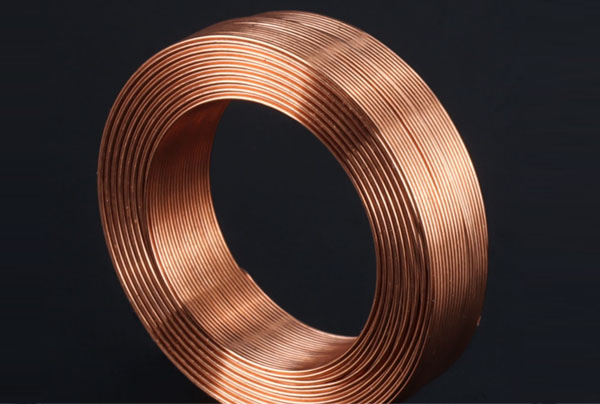
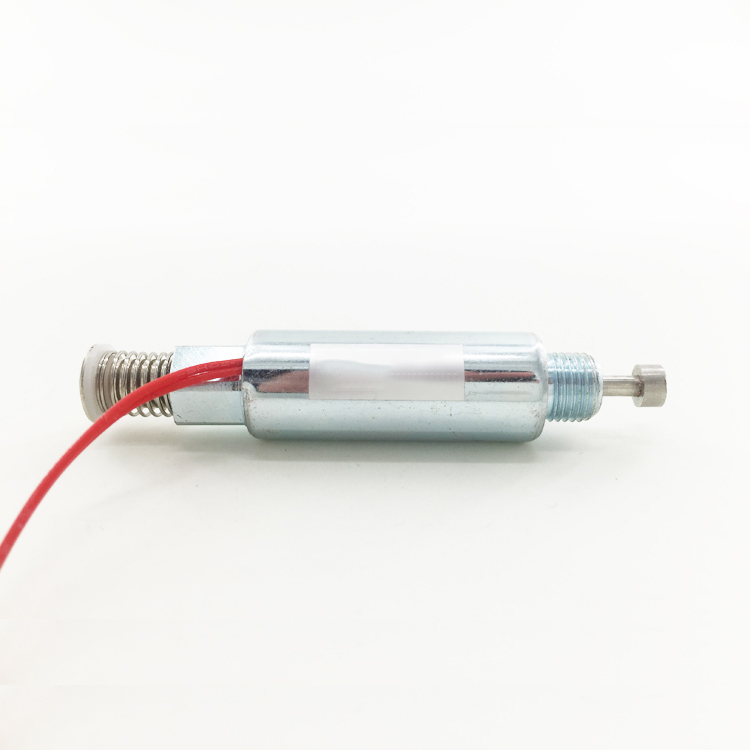
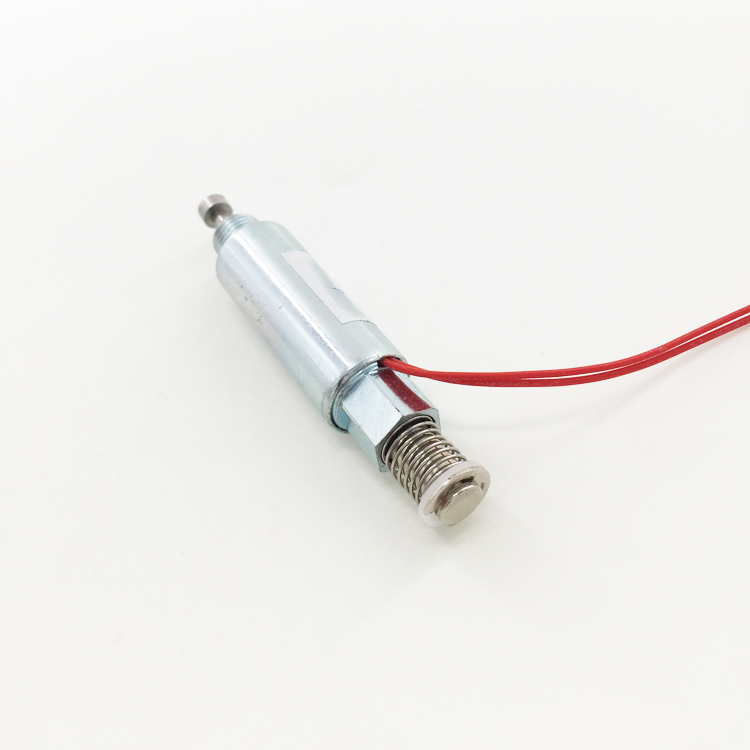
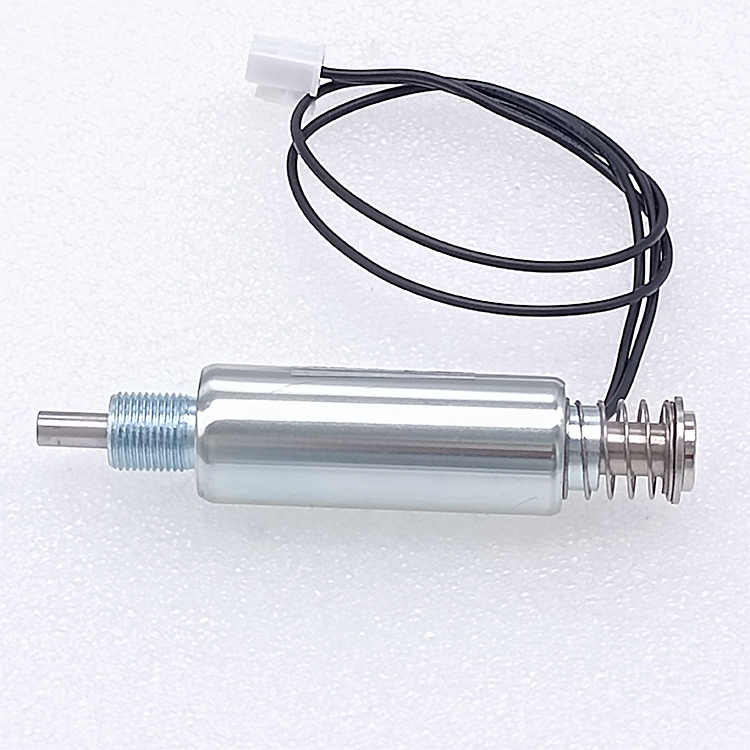
In the intricate world of electromagnetics, the bobina de eletroímã winding process and insulation materials used in electromagnet (electromagnetic iron) coils are crucial factors determining the performance, reliability, and efficiency of the electromagnet. From precision winding techniques to the choice of insulation materials, every step in the manufacturing process plays a pivotal role in ensuring that the electromagnet meets its design specifications and operates optimally. This blog aims to provide a comprehensive guide to the electromagnet coil winding process and insulation materials, exploring the various stages of winding, the importance of insulation, and the factors to consider when selecting materials. By understanding these aspects, engineers and manufacturers can optimize the coil winding process and material choices, leading to better electromagnet performance and longer lifespan.
Understanding the Electromagnet Coil Winding Process
O electromagnet coil winding process involves several critical steps, each requiring precision and attention to detail to ensure optimal electromagnet performance. Here’s a detailed look at the process:
Coil Design and Specification:
Design Parameters: Before winding begins, the coil’s design parameters must be carefully specified. This includes determining the number of turns, wire gauge, and the overall dimensions of the coil. The design parameters are based on the electromagnet’s required performance specifications, such as magnetic field strength, operating voltage, and current.
Seleção de materiais: The type of wire used for winding is also chosen at this stage. Factors such as conductivity, mechanical strength, and cost are considered when selecting the wire material. Common choices include copper and aluminum, with copper being more conductive but also more expensive.
Winding Techniques:
Manual Winding: In manual winding, the wire is wrapped around a bobbin or form by hand. This method is suitable for small-scale production or coils with complex shapes. However, it requires skilled labor and can be time-consuming.
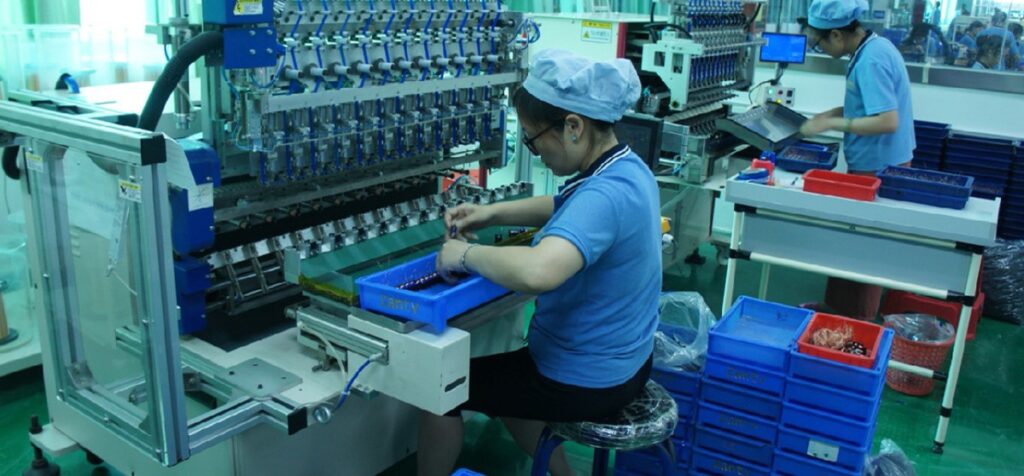
Automated Winding: Automated winding machines use precision mechanisms to wind the wire, ensuring consistent tension and accurate placement of each turn. This method is faster and more efficient, making it ideal for large-scale production.
Layer Winding: In layer winding, the wire is wound in layers, with each layer having the same number of turns. This method results in a compact coil with uniform winding density.
Random Winding: Random winding involves winding the wire in a non-uniform pattern, which can increase the fill factor (the ratio of wire volume to total coil volume) and reduce inductance. However, it can also lead to increased resistance and inductance variations.
Coil Assembly and Termination:
Coil Forming: After winding, the coil may need to be shaped or formed to fit into the electromagnet’s housing. This may involve bending, twisting, or cutting the wire ends.
Termination: The wire ends are then terminated, usually by soldering or crimping them to connectors or terminals. Proper termination ensures reliable electrical connection and prevents wire breakage or corrosion.
Controle de qualidade:
Inspeção: The wound coil undergoes rigorous inspection to check for defects such as wire breaks, short circuits, or insulation damage.
Testing: Electrical tests, such as resistance and inductance measurements, are performed to verify that the coil meets the design specifications.
The Importance of Insulation Materials in Electromagnet Coil
Insulation materials play a critical role in protecting the coil’s windings from electrical shorts, ensuring safe operation, and preventing premature failure. Here’s why insulation is so important:
Electrical Isolation: Insulation provides a barrier between adjacent wire turns, preventing electrical shorts that could damage the coil or cause the electromagnet to malfunction.
Gerenciamento térmico: Insulation materials help dissipate heat generated by the coil during operation, preventing overheating and extending the electromagnet’s lifespan.
Mechanical Protection: Insulation offers protection against mechanical stress, such as vibration or bending, which could damage the wire or insulation.
Chemical Resistance: In harsh environments, insulation materials must resist degradation from chemicals, moisture, or other contaminants.
Types of Insulation Materials Used in Electromagnet Coil
Several types of insulation materials are commonly used in bobina de eletroímã, each offering unique benefits and drawbacks. Here’s a closer look at the most popular options:
Enamel-Coated Wire:
Description: Enamel-coated wire, also known as magnet wire, is a type of copper or aluminum wire coated with a thin layer of insulating enamel.
Benefícios: Enamel-coated wire offers excellent electrical insulation and high temperature resistance. It is also available in various grades and thicknesses, allowing for precise control over insulation properties.
Desvantagens: The enamel coating can be brittle and prone to cracking under mechanical stress. Additionally, it requires special care during winding to avoid damage.
Fiberglass-Insulated Wire:
Description: Fiberglass-insulated wire is coated with a layer of fiberglass material, providing robust electrical and mechanical insulation.
Benefícios: Fiberglass insulation offers high temperature resistance and excellent chemical stability. It is also flame-retardant and resistant to moisture and other contaminants.
Desvantagens: Fiberglass-insulated wire can be more rigid and difficult to wind compared to enamel-coated wire. Additionally, it may require specialized tools and equipment for processing.
Polyimide-Insulated Wire:
Description: Polyimide-insulated wire is coated with a layer of polyimide, a high-performance polymer known for its excellent electrical properties and temperature resistance.
Benefícios: Polyimide insulation offers high dielectric strength, low dielectric loss, and excellent resistance to heat and chemicals. It is also flexible and easy to wind.
Desvantagens: Polyimide-insulated wire is typically more expensive than enamel-coated or fiberglass-insulated wire. Additionally, it may require specialized processing techniques to achieve optimal performance.
Tape and Sleeve Insulation:
Description: Tape and sleeve insulation involves wrapping individual wire turns or entire coils with insulating tape or sleeves. This method is commonly used in high-voltage or high-temperature applications.
Benefícios: Tape and sleeve insulation provides excellent electrical isolation and high temperature resistance. It can also be customized to fit specific coil designs and dimensions.
Desvantagens: Applying tape or sleeve insulation can be labor-intensive and time-consuming. Additionally, it may require specialized tools and materials for installation.
Factors to Consider When Selecting Insulation Materials
When selecting insulation materials for bobinas de eletroímã, Para que isso aconteça, vários fatores devem ser levados em conta:
Operating Temperature: The coil’s operating temperature is a critical consideration, as it determines the insulation material’s temperature resistance requirements. Materials with higher temperature ratings are required for coils operating at higher temperatures.
Voltage Rating: The insulation material’s voltage rating must be sufficient to withstand the maximum voltage the coil will be subjected to during operation. Choosing an insulation material with a higher voltage rating than required can provide a safety margin and increase reliability.
Mechanical Stress: The insulation material must be able to withstand the mechanical stress associated with winding, termination, and installation. Factors such as flexibility, tensile strength, and abrasion resistance are important considerations.
Chemical Resistance: In harsh environments, the insulation material must resist degradation from chemicals, moisture, or other contaminants. Choosing a material with good chemical stability can extend the coil’s lifespan and prevent premature failure.
Custo: Cost is always a consideration when selecting insulation materials. While high-performance materials may offer better performance and reliability, they also tend to be more expensive. Balancing performance requirements with cost constraints is essential for achieving optimal value.
The electromagnet coil winding process and insulation materials
O bobina de eletroímã winding process and insulation materials are crucial aspects of electromagnet design and manufacture. By understanding the various stages of the winding process, the importance of insulation, and the factors to consider when selecting materials, engineers and manufacturers can optimize the coil winding process and material choices. This leads to better electromagnet performance, longer lifespan, and increased reliability. By paying attention to detail and choosing the right materials, it is possible to create electromagnet coils that meet the most demanding specifications and operate efficiently and safely in diverse applications. With the right approach, electromagnet technology can continue to drive innovation and advancements across various industries, contributing to a more connected and efficient world.
Sobre a fábrica de eletroímãs SF
A Shengfeng Electromagnet Co., Ltd. foi fundada em 2015 e está localizada no Parque Industrial de Xiansha, com belas paisagens e transporte conveniente. A empresa ocupa uma área de 16.000 metros quadrados e tem instalações de produção modernas, equipamentos de produção avançados e uma equipe técnica de alta qualidade. Desde sua fundação, sempre aderimos à filosofia corporativa de “inovação, qualidade e serviço”, com foco em pesquisa, desenvolvimento e produção de eletroímãs, A empresa está constantemente promovendo atualizações de produtos e progresso tecnológico, além de fornecer aos clientes produtos e serviços da melhor qualidade.
Por que escolher o eletroímã SF
QUALIDADE DE PONTA:Como o melhor fabricante de eletroímãs solenoides da China, nossa equipe de controle de qualidade garantirá que todos os produtos que você receber sejam da melhor qualidade. Temos uma máquina de teste de qualidade profissional.
DESIGN DO PRODUTO:Nosso departamento de amostragem tem um processo completo de transformar desenhos em realidade. Também aprimoramos o design do seu produto com base em nossos anos de experiência de trabalho.
TEMPO DE ENTREGA ESTÁVEL:Como o melhor fabricante e fornecedor de eletroímãs, temos capacidade de fabricação suficiente, grandes pedidos não nos vencem e ainda podemos entregar o pedido a tempo.
MELHOR PREÇO:Somos uma fábrica de fontes de eletroímãs e o melhor fabricante de solenóides da China, por isso podemos fornecer bolsas de alta qualidade com o melhor preço.
GERENCIAMENTO PRECISO:Nada pode ser alcançado se não implementarmos um gerenciamento preciso. Somos uma empresa com um sistema de gerenciamento completo.
7-24 SERVIÇO:Como o melhor fabricante de solenóides, resposta imediata 24 horas por dia, 7 dias por semana: Receberemos seu feedback para nos tornar um fornecedor melhor.
Perguntas frequentes sobre o eletroímã
Você é um fabricante ou um comerciante?
Somos uma empresa chinesa de ponta eletroímã e nossa fábrica está localizada em Dongguan. Bem-vindo a visitar nossa fábrica!
Qual é a sua linha de produtos?
Somos especializados no design e na produção de produtos de alta qualidade eletroímã,válvula solenoide,como solenoide rotativo,solenoides biestáveis, solenoides de travamento, solenoides de estrutura aberta, solenoides tubulares, solenoide de retenção automática
Você pode fornecer amostras?
-É claro que, normalmente, fornecemos amostras grátis, e você só precisa arcar com o frete. Para amostras personalizadas de eletroímãs, envie-nos seus requisitos para verificarmos o custo da amostra. - A produção de amostras leva cerca de 7 dias.
Vocês podem fornecer um design gratuito para minha caixa?
Sim, fornecemos serviços gratuitos de design, design estrutural e design gráfico simples.
Posso personalizar meu logotipo, design ou tamanho?
Claro, podemos fazer qualquer eletroímã com seu projeto. Agora, abrimos um solenoide ODM que é para pequenas quantidades de 100 a 500 unidades, mas você ainda pode ter seu próprio logotipo.
Qual é o prazo de entrega?
Dependendo da quantidade do pedido e dos detalhes da produção, o prazo é de 15 a 20 dias.
Como podemos garantir a qualidade?
Sempre uma amostra de pré-produção antes da produção em massa; sempre a inspeção final antes do envio
Quais informações devo fornecer para uma cotação?
- Potência, uso, tamanho, material, quantidade, destino da remessa, etc. - Você também pode simplesmente nos informar suas necessidades e nós recomendaremos produtos para você.
Como enviar mercadorias?
- Por via marítima, aérea ou expressa. - Se você tiver seu próprio despachante na China, esse é o preço à saída da fábrica ou FOB. -CFR ou CIF, etc., se precisar que façamos o envio em seu nome. - DDP e DDU também podem ser usados. - Mais opções, consideraremos suas opções.
Quanto custa?
- O preço é determinado pela quantidade, material, método de processamento, tamanho e outros fatores. Além disso, devido à nossa contínua inovação tecnológica, os preços de alguns de nossos produtos são extremamente competitivos; entre em contato conosco para fazer uma cotação.
Diretor de negócios de comércio exterior
13 anos de experiência comercial
Atender a clientes de marcas conhecidas
Qualquer dúvida, entre em contato comigo imediatamente!
 English
  Portuguese