









Última atualização em 11/08/2026 por SolenoidFactory
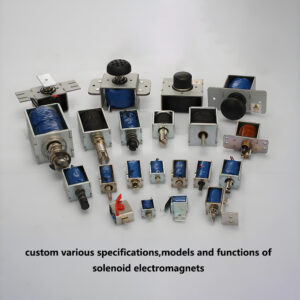
Selecionando o correto fábrica de solenoides É uma das decisões mais críticas para qualquer projeto OEM. Um fornecedor pode anunciar preços baixos, prazos de entrega rápidos ou catálogos de produtos extensos, mas essas alegações não refletem necessariamente a capacidade real de engenharia ou de produção.
No competitivo mercado industrial atual, escolher o caminho errado é arriscado. Fabricante de solenoides da China Pode resultar em atrasos no lançamento de produtos, qualidade inconsistente, altos custos de garantia, revisões de engenharia repetidas e interrupções na cadeia de suprimentos.
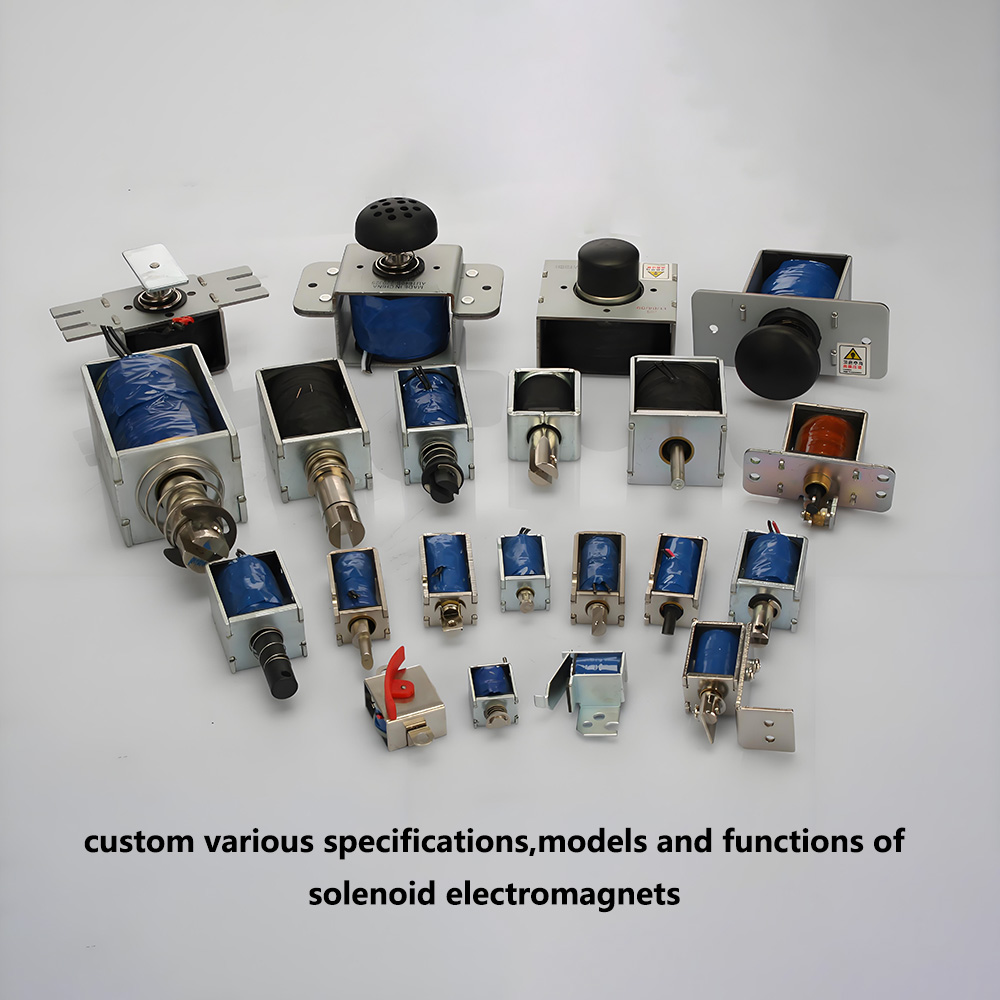
Por outro lado, fazer parceria com um profissional Fabricante de solenoides personalizados Permite que os clientes OEM reduzam os ciclos de desenvolvimento, melhorem a confiabilidade do produto, otimizem custos e construam uma estabilidade de fornecimento a longo prazo.
Este guia examina os principais fatores de engenharia e fabricação que os compradores devem avaliar ao analisar um produto. fábrica de solenoides, O documento aborda diversos aspectos, incluindo capacidade de produção, conhecimento especializado em engenharia, sistemas de qualidade, capacidade de personalização, instalações de teste, gestão da cadeia de suprimentos e experiência prática com fabricantes de equipamentos originais (OEMs). Além disso, compartilha estudos de caso práticos e explica por que a SF se tornou uma parceira de fabricação confiável para clientes em mais de 60 países e regiões.
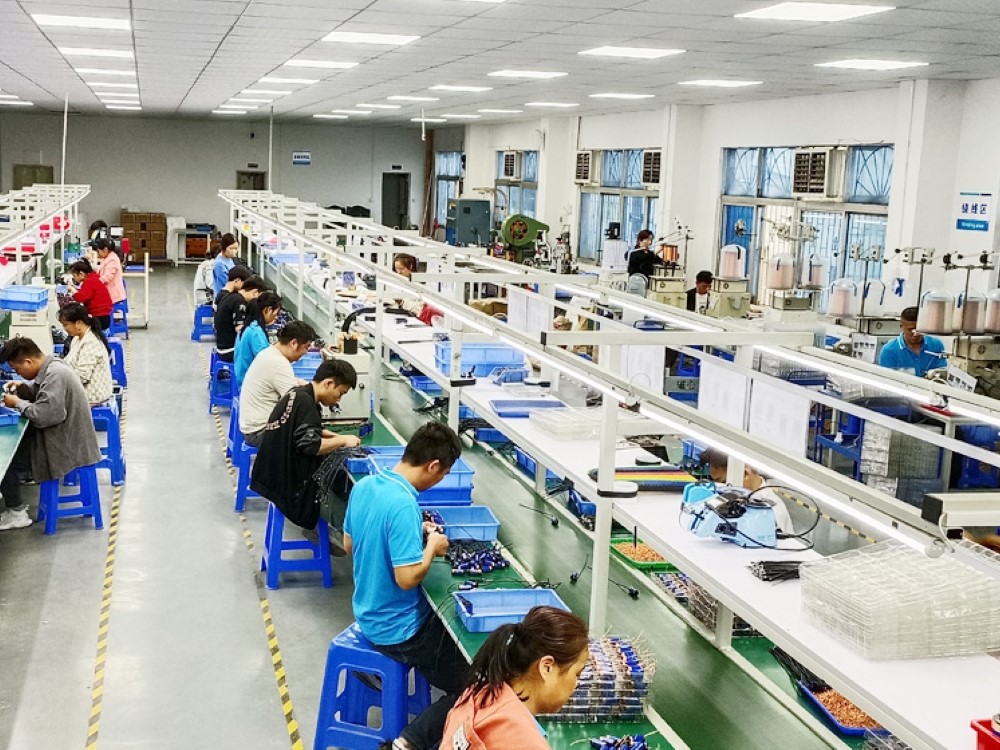
1. Por que avaliar uma fábrica de solenoides é mais importante do que comparar preços
Muitas equipes de compras iniciam a seleção de fornecedores solicitando orçamentos de diversas fábricas. Embora o preço seja importante, ele nunca deve ser o principal critério de avaliação.
Para um personalizado solenoide eletromagnético, A capacidade de engenharia afeta diretamente:
- Desempenho do produto
- Vida útil
- Consistência de fabricação
- Velocidade de desenvolvimento
- Custos de garantia
- Escalabilidade futura
Um fornecedor de baixo custo sem recursos de engenharia suficientes pode parecer atraente inicialmente, mas redesenhos repetidos, produção inconsistente e falhas em campo geralmente levam a custos totais de propriedade significativamente mais altos.
Ponto-chave: O orçamento mais baixo raramente representa o menor custo ao longo do ciclo de vida. Avalie a capacidade de engenharia antes de comparar preços.
2. Empresa Comercial vs. Fábrica de Solenoides Real
Uma das primeiras perguntas que todo comprador deve responder é:
“Estou me comunicando com uma fábrica de verdade ou com uma empresa comercial?”
Uma empresa comercial pode ser útil para produtos padrão, mas projetos OEM complexos geralmente exigem comunicação direta com o fabricante.
Características de uma empresa comercial
- Suporte técnico limitado
- Sem equipamentos de produção
- Cadeia de comunicação mais longa
- Mudanças de engenharia mais lentas
- Menos controle sobre a qualidade
Características de uma fábrica profissional de solenoides
- Equipe de engenharia interna
- Oficinas de produção dedicadas
- Controle de processo
- Capacidade de prototipagem
- Gestão direta da qualidade
- Resposta mais rápida às modificações de projeto
Tabela 1. Empresa Comercial vs. Fábrica de Solenoides
| Capacidade | Empresa comercial | Fábrica de solenoides profissionais |
|---|---|---|
| Suporte de Engenharia | Limitada | Excelente |
| Design personalizado | Básico | Avançado |
| Controle de produção | Não | Completo |
| Desenvolvimento de protótipos | Terceirizado | Internamente |
| Rastreabilidade da Qualidade | Limitada | Completo |
| Flexibilidade no prazo de entrega | Mais baixo | Mais alto |

3. A escala de fabricação reflete a estabilidade da produção.
O tamanho da fábrica por si só não garante a qualidade, mas geralmente indica maturidade da manufatura e estabilidade da produção.
Ao avaliar um fábrica de solenoides, Considere:
- Área da fábrica
- Linhas de produção
- Equipamentos de usinagem CNC
- Máquinas de enrolamento de bobinas
- Linhas de montagem
- Laboratórios de teste
- Capacidade do armazém
Uma fábrica com áreas de produção dedicadas geralmente está mais bem equipada para gerenciar vários projetos OEM simultaneamente.
Por exemplo, Instalações de fabricação de 6.000 m² da SF A empresa oferece suporte a usinagem de precisão, enrolamento automatizado, montagem, inspeção e testes de ciclo de vida, tudo em um só lugar, garantindo qualidade consistente e capacidade de produção confiável.
4. A capacidade de engenharia é a principal vantagem competitiva.
A maior diferença entre os fornecedores geralmente não está nos equipamentos, mas sim na expertise em engenharia.
Um profissional Fabricante de solenoides personalizados deve ser capaz de auxiliar os clientes com:
- Projeto de circuitos eletromagnéticos
- Otimização da relação força-curso
- Cálculo da bobina
- Análise térmica
- Otimização do tempo de resposta
- Seleção de materiais
- Recomendações para tratamento de superfície
- Melhorias na capacidade de fabricação
A equipe de engenharia deve participar desde a concepção do projeto até a produção em massa.
Visão geral da engenharia: Engenheiros experientes geralmente reduzem o tempo de desenvolvimento de forma mais eficaz do que equipamentos de produção caros.
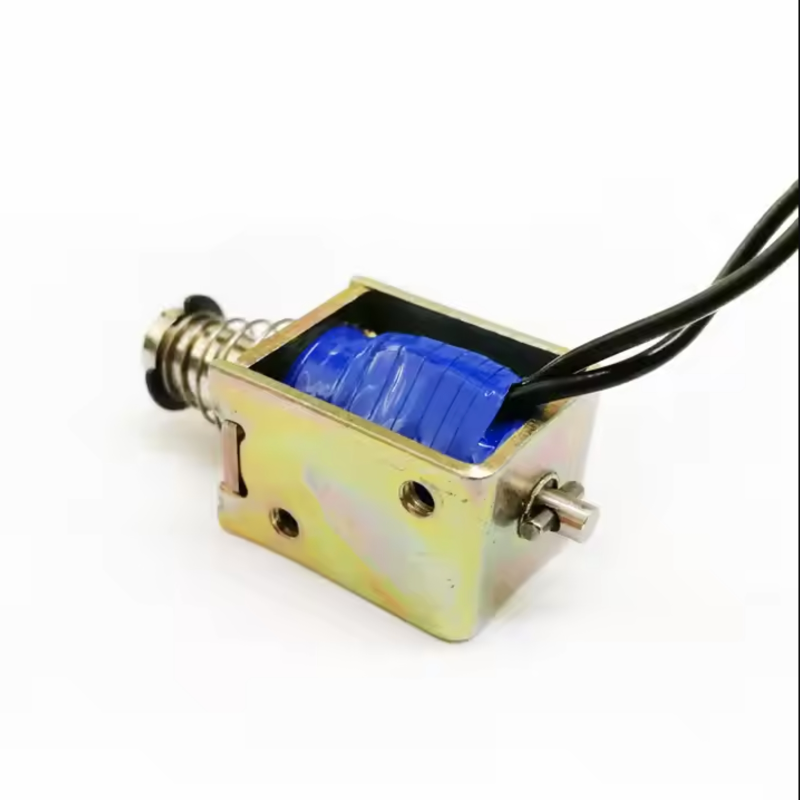
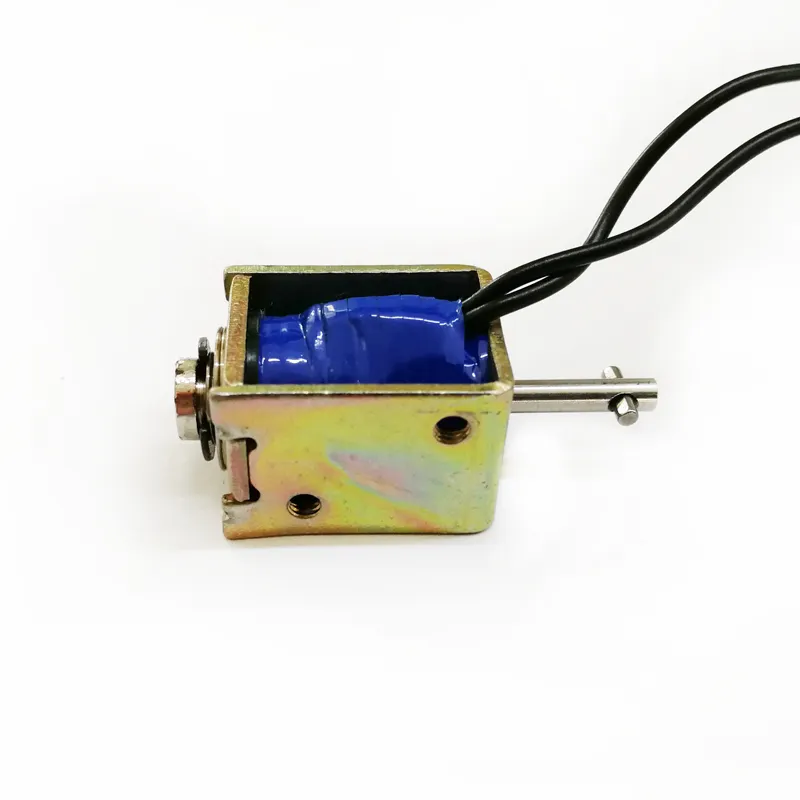
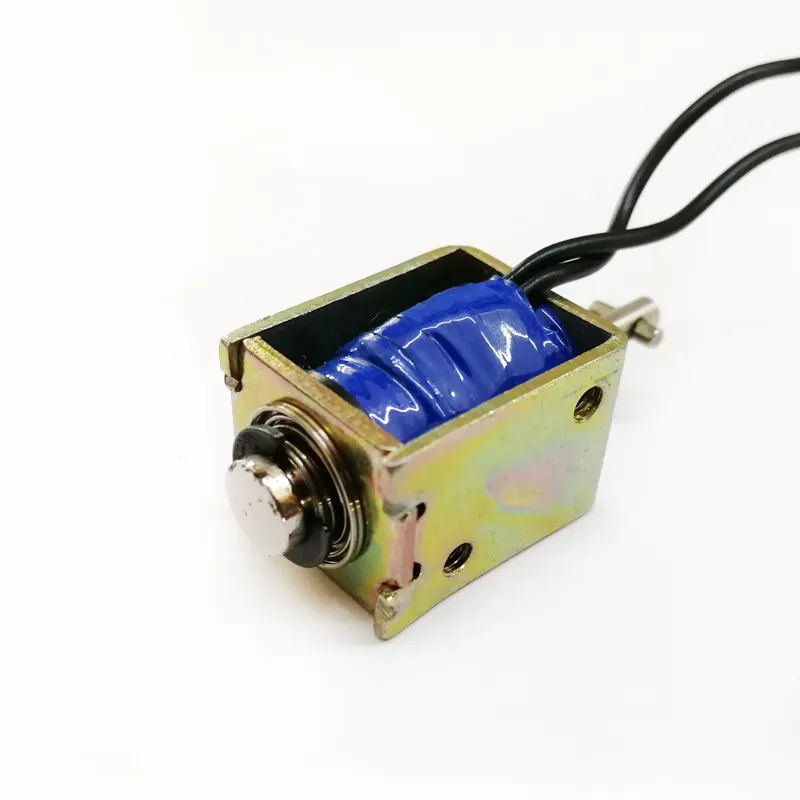

5. A capacidade de projeto determina o desempenho do produto.
A capacidade de design vai muito além de converter um desenho em um produto final.
Equipes de engenharia profissional avaliam:
- Tensão de operação
- Comprimento do movimento
- Força de tração
- Ciclo de trabalho
- Aumento de temperatura
- Condições ambientais
- tolerâncias mecânicas
- Velocidade de resposta
- metas de vida útil
Ao considerar todo o ambiente de aplicação, os engenheiros podem recomendar melhorias estruturais antes do início da produção, reduzindo futuras reformulações e reclamações de garantia.
6. Os equipamentos de produção definem a precisão da fabricação.
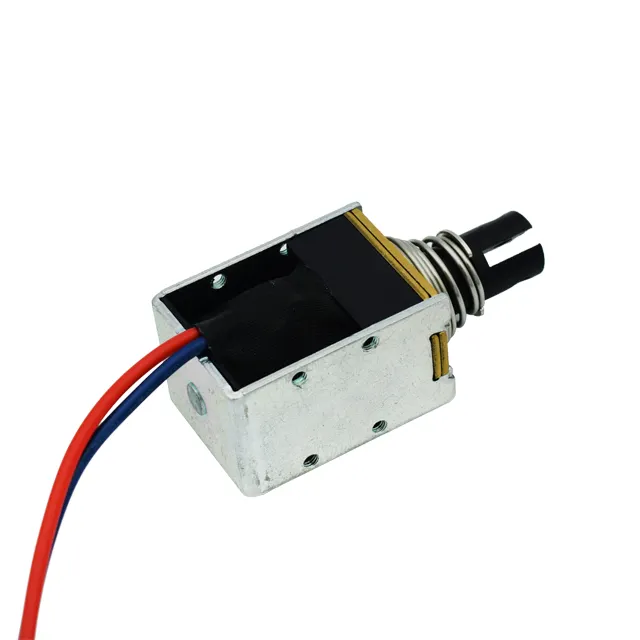
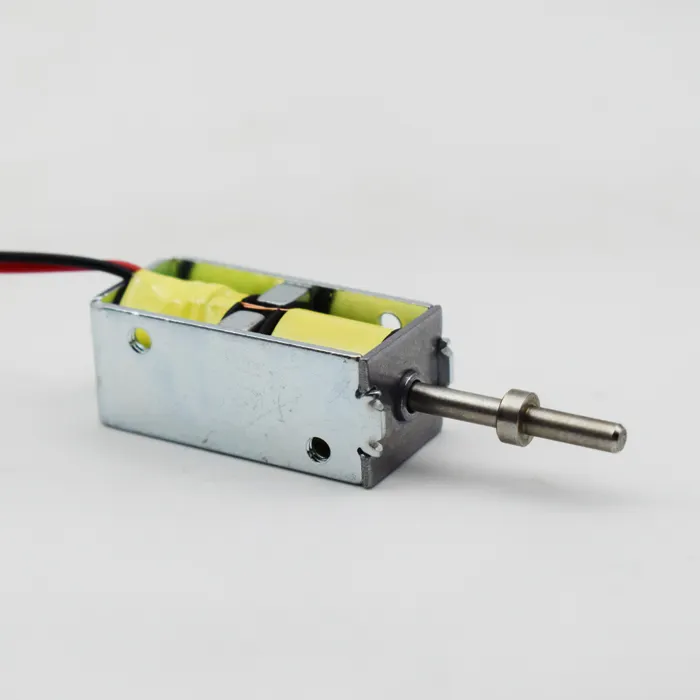
Alto desempenho solenoide eletromagnético Os produtos exigem fabricação de precisão.
Os principais equipamentos incluem:
- centros de usinagem CNC
- Retificadoras de precisão
- Equipamento automático de enrolamento de bobinas
- Sistemas de soldagem a laser
- estações de montagem automatizadas
- Sistemas de inspeção visual
- Equipamentos para teste de força
Os equipamentos de produção modernos melhoram:
- Consistência dimensional
- Eficiência de produção
- Repetibilidade
- Estabilidade do processo


7. O controle de processos é mais importante do que o controle de máquinas individuais.
Possuir equipamentos avançados por si só não é suficiente.
Fábricas profissionais estabelecem processos de fabricação padronizados que abrangem:
- Inspeção de materiais recebidos
- Inspeção de usinagem
- Verificação da resistência da bobina
- Inspeção de montagem
- Testes funcionais
- Inspeção final
- Verificação de embalagem
Cada etapa da produção deve ter padrões de qualidade mensuráveis.
8. Sistema de Gestão da Qualidade
Confiável Fabricantes de solenoides da China Incorporar a qualidade em cada etapa da produção, em vez de depender exclusivamente da inspeção final.
Typical quality control measures include:
- Incoming raw material verification
- Coil resistance testing
- Pull force measurement
- Response time testing
- Voltage testing
- Temperature rise testing
- Salt spray testing
- Testes de ciclo de vida
Table 2. Typical Quality Tests
| Test | Purpose |
|---|---|
| Pull Force Test | Verify output force |
| Resistance Test | Coil consistency |
| Stroke Measurement | Dimensional accuracy |
| Response Time Test | Dynamic performance |
| Temperature Rise Test | Thermal reliability |
| Salt Spray Test | Corrosion resistance |
| Life Cycle Test | Long-term durability |
explore part 2
Part 2 will continue with:
- OEM and ODM customization capability
- Supply chain management
- Production capacity planning
- Prototype development process
- Four real customer case studies
- Smart lock project
- Coffee machine project
- Automotive actuator project
- Medical equipment project
- Manufacturing lead time optimization
- Engineering checklist for auditing a fábrica de solenoides
- Supplier comparison tables
This second part will move from factory evaluation into real-world manufacturing capability and OEM project execution.
Personalize todos os tipos de eletroímãs, entre em contato com a fábrica de eletroímãs SF whatsapp +86 189 0261 1680