









Last Updated on 2026-04-09 by SolenoidFactory
In the world of precision industrial automation, few components are as critical—or as misunderstood—as the solenoid. For procurement managers and engineers, there is nothing more frustrating than a prototype or a production unit that passes initial bench tests only to fail miserably after an hour of continuous operation. You observe the solenoid, see it pull, but after 60 minutes, the solenoid attraction force inexplicably drops, the stroke becomes sluggish, or the device simply fails to engage.
This phenomenon is not a mystery; it is a thermal reality. As a leading Fabricante de solenoides with over a decade of experience and a 6,000-square-meter facility, we at SF have analyzed thousands of these “failure cases.” This guide will help you understand the physics behind this thermal decay and provide a blueprint for selecting a reliable solenoide eletromagnético that won’t let you down.
1. The Physics of Thermal Decay: Why Solenoid Attraction Force Drops
At its core, a solenoid is an electromechanical transducer that converts electrical energy into mechanical movement. The solenoid attraction force is generated by a magnetic field, which is directly proportional to the current flowing through the copper coil. However, copper has a positive temperature coefficient of resistance. As the solenoid operates continuously for an hour, the coil heats up, its electrical resistance increases, and—according to Ohm’s Law (I=V/R)—the current flowing through the coil decreases. Less current results in a weaker magnetic field, which directly leads to a significant drop in attraction force.
2. The Relationship Between Duty Cycle and Solenoid Performance
Many buyers mistakenly assume a solenoid rated for 100% duty cycle can operate indefinitely without performance degradation. In reality, “100% duty cycle” means the solenoid can stay energized, but it will reach a thermal equilibrium point. If your housing design does not allow for adequate heat dissipation, that equilibrium point may be high enough to cause “thermal saturation.” When a Fabricante de solenoides designs for you, they must account for the ambient temperature, the enclosure material, and the thermal mass surrounding the unit.
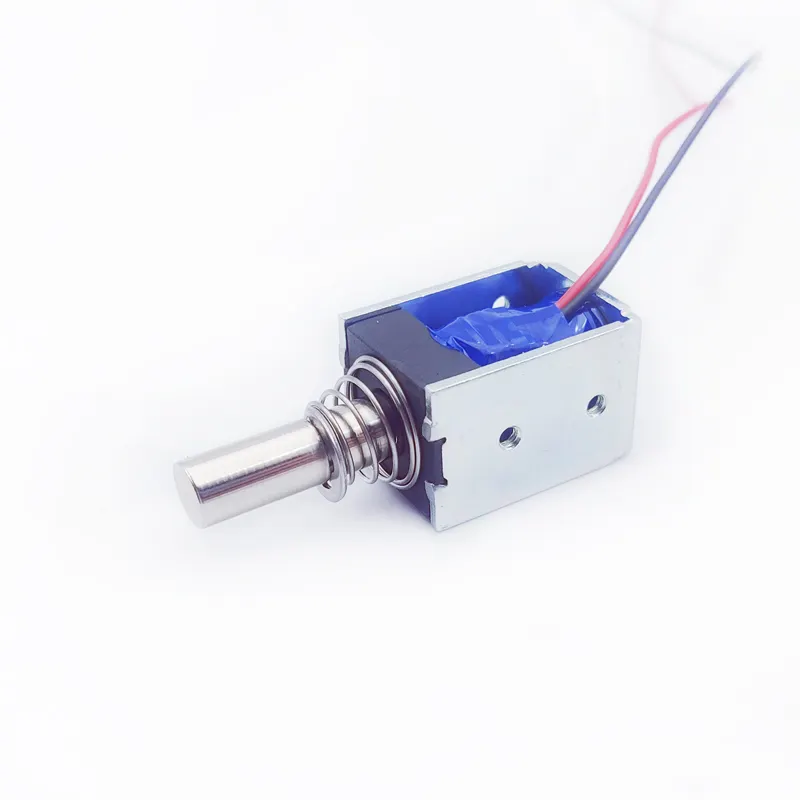
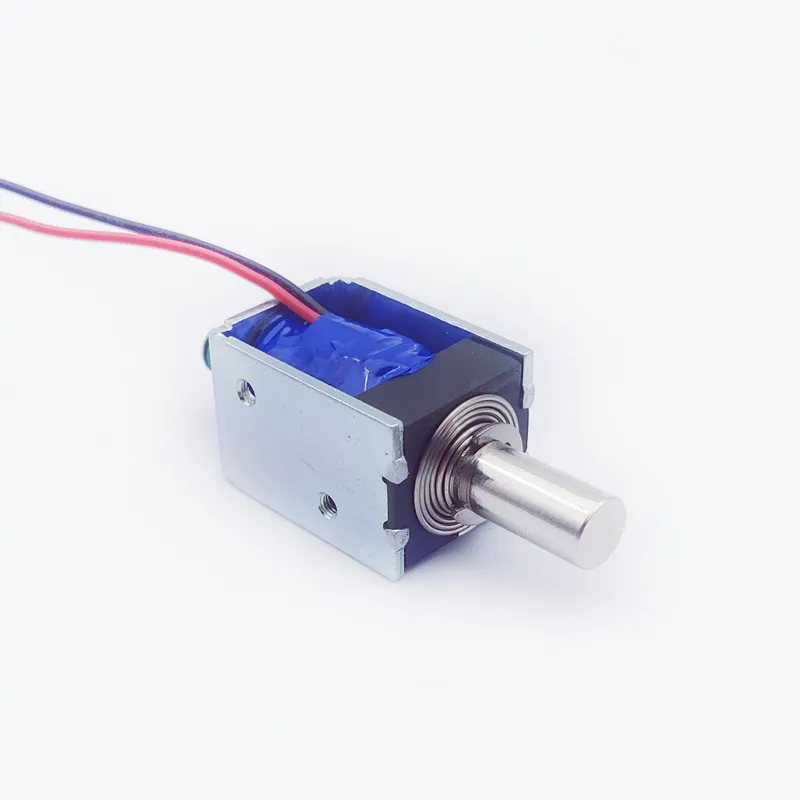
3. Material Selection: How Iron Core Saturation Influences Force
It is not just the coil that fails; the magnetic circuit itself can hit a limit. If the core material reaches magnetic saturation, increasing current will not yield a linear increase in solenoid attraction force. Over time, as the solenoid heats up, the B-H curve (magnetic flux density vs. magnetic field strength) shifts. Choosing the correct high-permeability, low-coercivity materials is the first step in ensuring your solenoide eletromagnético maintains its “pull” throughout its operational life.
4. Case Study: Solving Thermal Fatigue in Industrial Packaging
We once assisted a global packaging brand struggling with a sorting gate that would jam after a shift. The initial supplier had provided a standard, off-the-shelf unit. Our engineering team at SF conducted a thermal mapping analysis, which revealed the internal coil temperature was exceeding 110°C. By redesigning the coil geometry and upgrading to a Class F insulation system—coupled with a custom heat-sink housing—we stabilized the solenoid attraction force to within 5% of its cold-start value, even after 8 hours of continuous use.

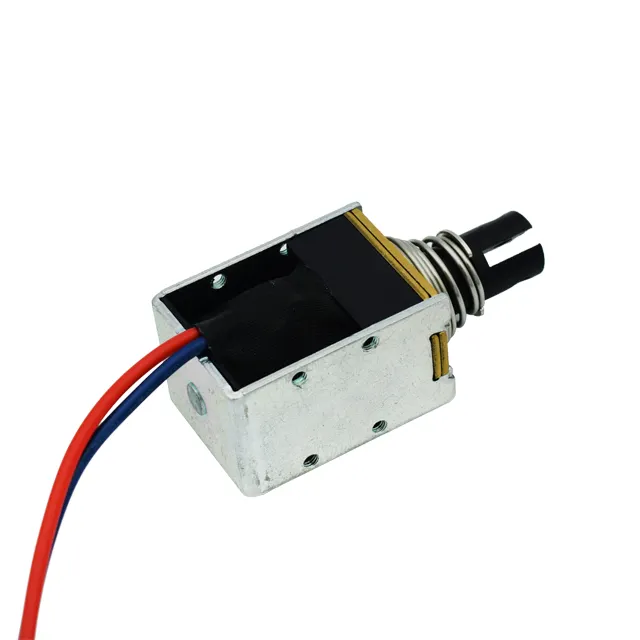

5. Managing Heat: Passive vs. Active Cooling Solutions
When designing your system, don’t ignore the environment. Passive cooling relies on the thermal conductivity of the mounting surface. If you are mounting your solenoid on a plastic chassis, you are essentially insulating it. We recommend using aluminum or steel brackets to act as a heat sink. In extreme scenarios, active cooling or utilizing a Pulse Width Modulation (PWM) controller to reduce current once the plunger has reached its end position can drastically minimize thermal buildup.
6. PWM Control: The Secret to Sustained Attraction Force
One of the most effective ways to prevent the drop in solenoid attraction force is to implement a “Pick and Hold” strategy. High current is needed to pull the load (Pick), but significantly lower current is required to hold the load in place (Hold). By using a PWM controller, you can drop the current after the initial movement, reducing power consumption and heat generation by up to 70%. This simple circuit upgrade often solves the “1-hour failure” issue entirely.
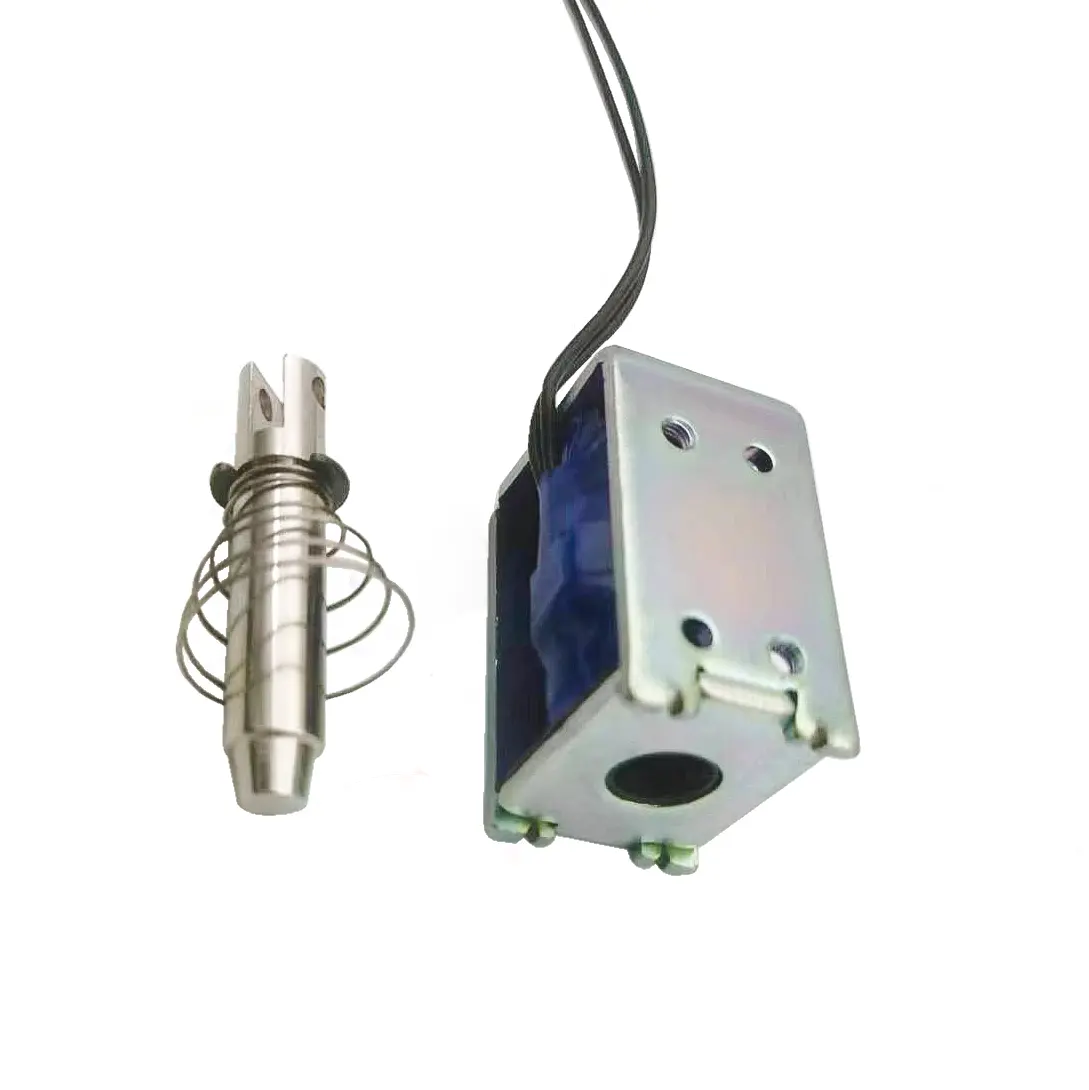
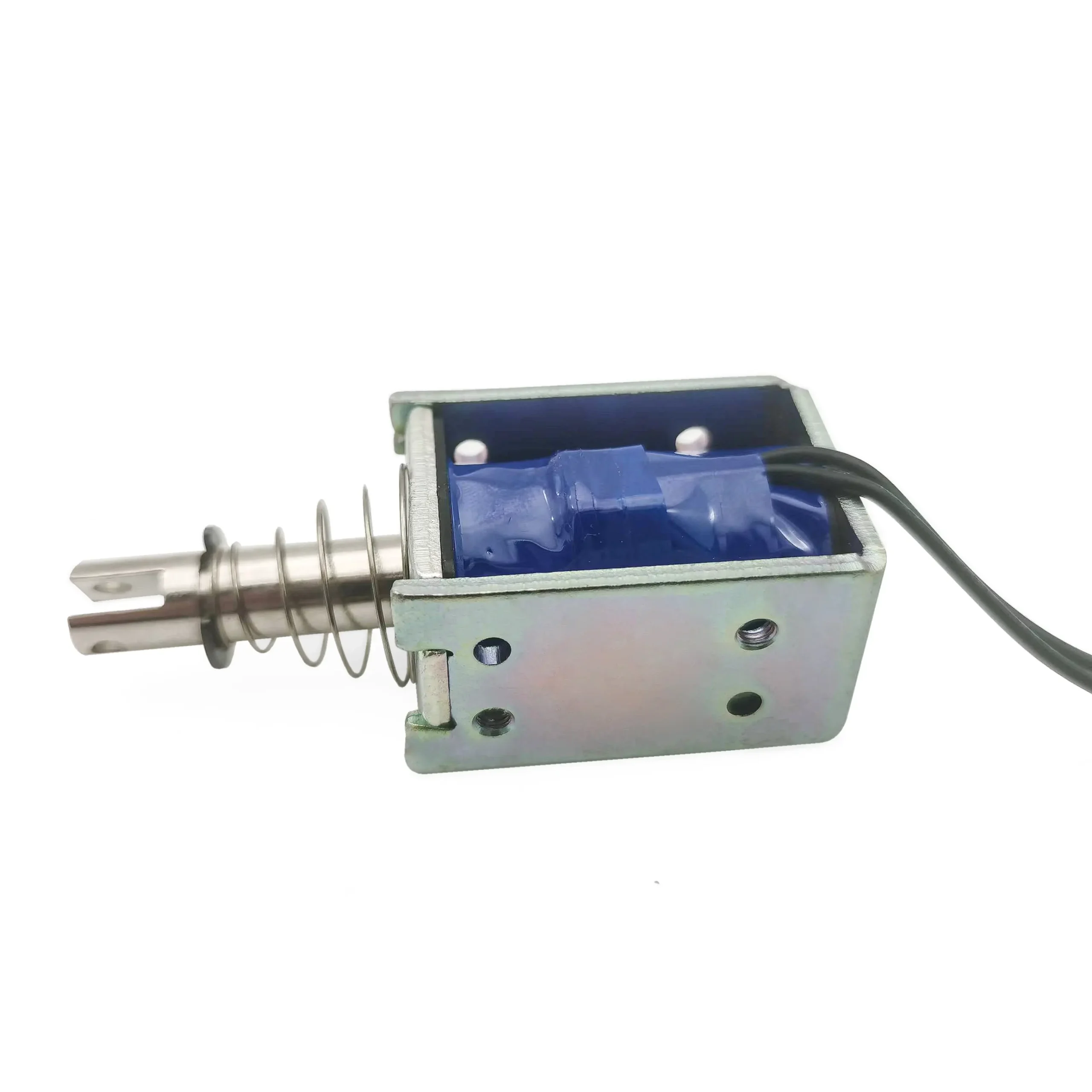
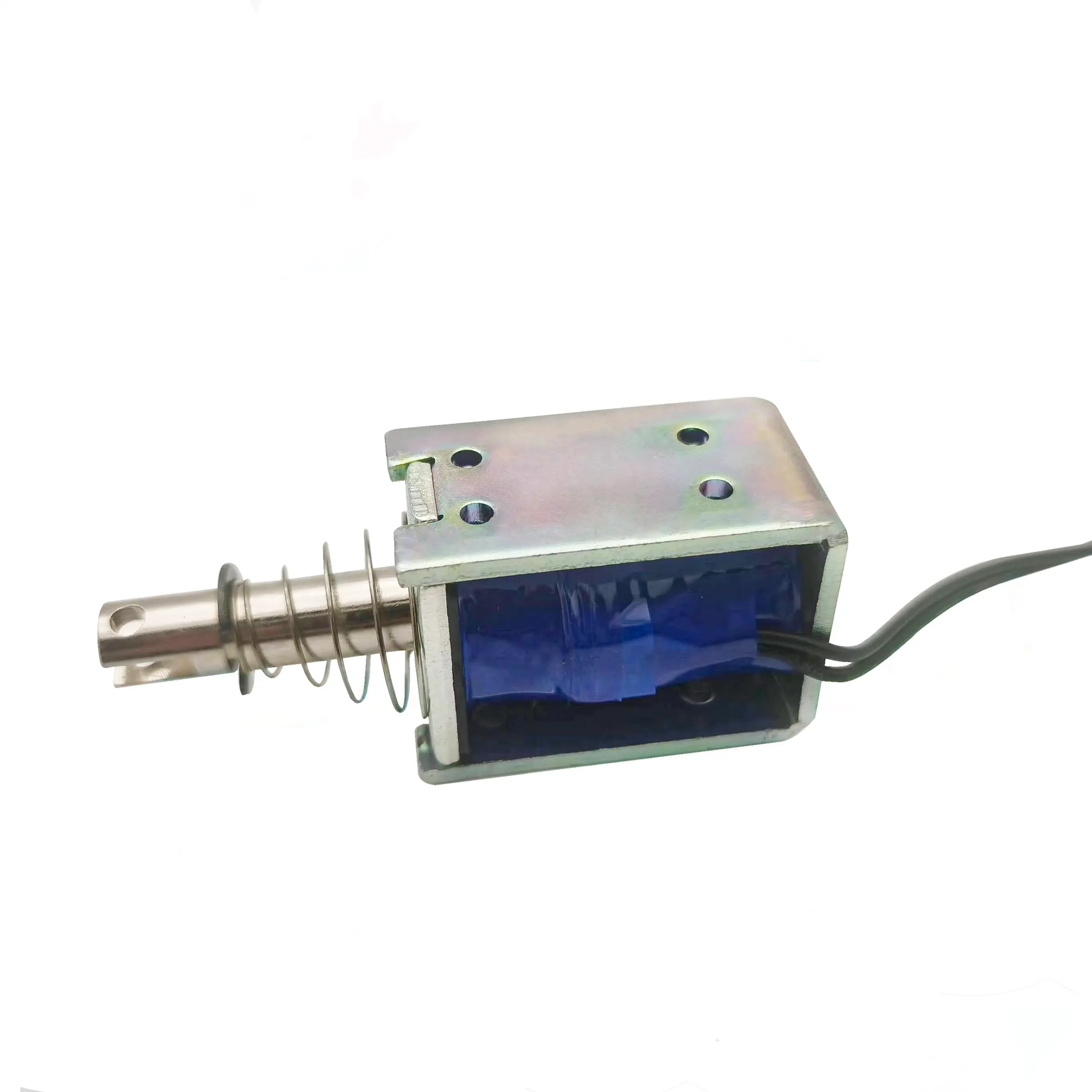
7. How to Choose the Right Electromagnet Solenoid for Your Application
Selection should never be based on a catalog photo. A competent Fabricante de solenoides will ask you:
What is the maximum ambient temperature?
What is the required stroke length and force at the start and end of that stroke?
How many cycles per minute (frequency)?
What is the duty cycle profile? If your supplier isn’t asking these, they aren’t designing; they are just selling.
8. Evaluating a Solenoid Factory: What Should You Look For?
When looking for a fábrica de solenoides to partner with for long-term production, look past the sales brochure. Check for:
In-house Coil Winding: Outsourced winding leads to inconsistent resistance and unpredictable thermal behavior.
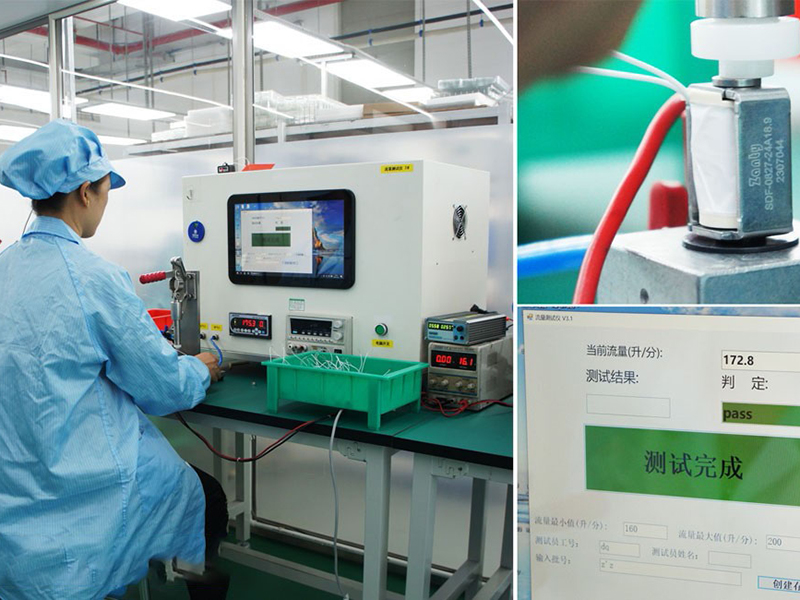
Testing Capabilities: Do they have a force-stroke test bench and a thermal chamber?
Engineering Authority: Can you talk directly to an engineer about your FMEA (Failure Mode and Effects Analysis)?
Export History: An experienced manufacturer understands the compliance requirements (UL, RoHS, REACH) for 60+ countries.
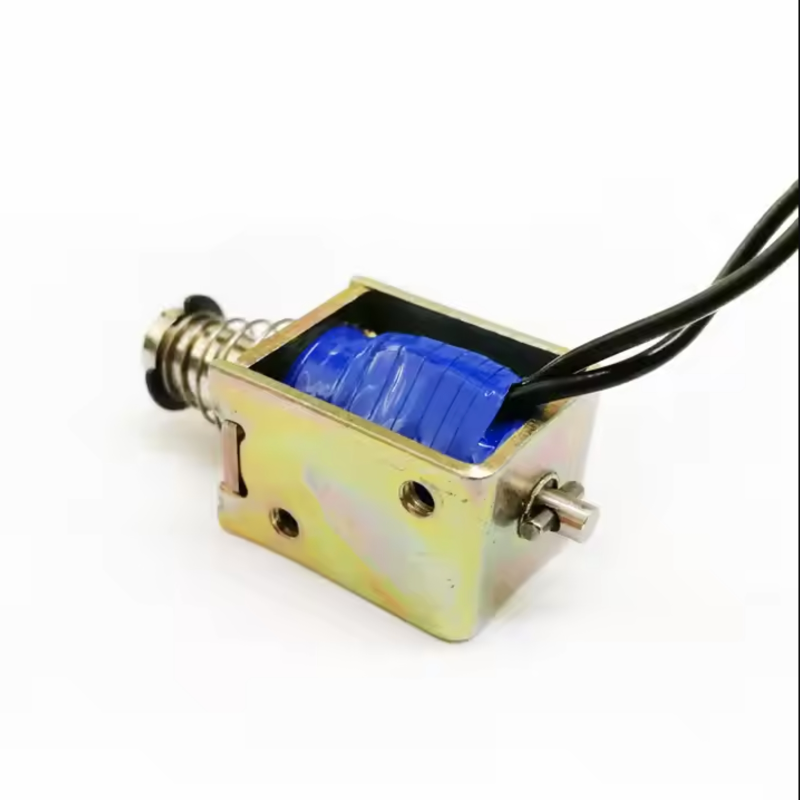
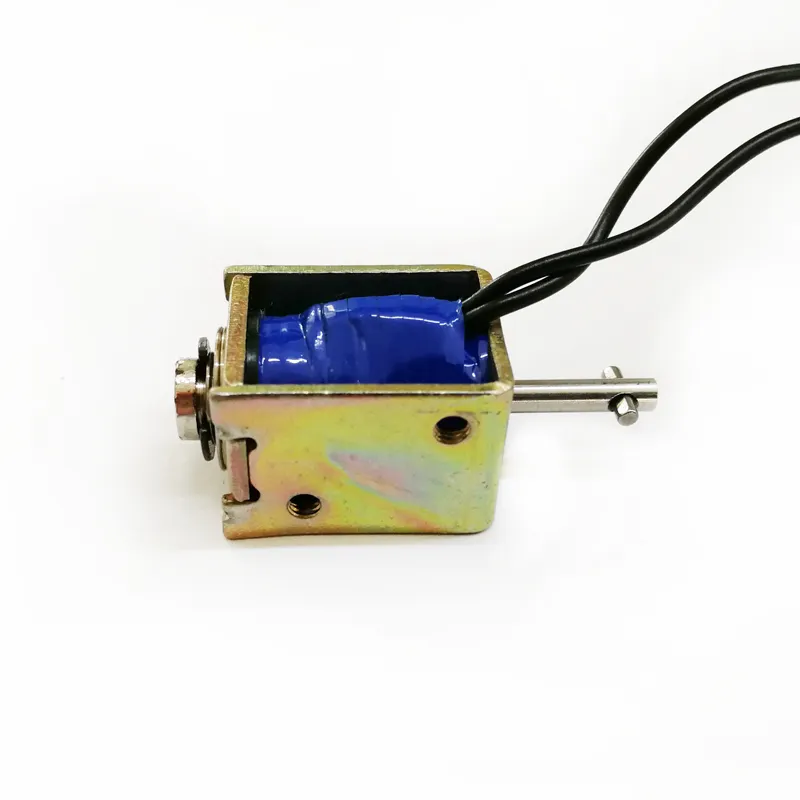
9. Engineering Customization vs. Standardization
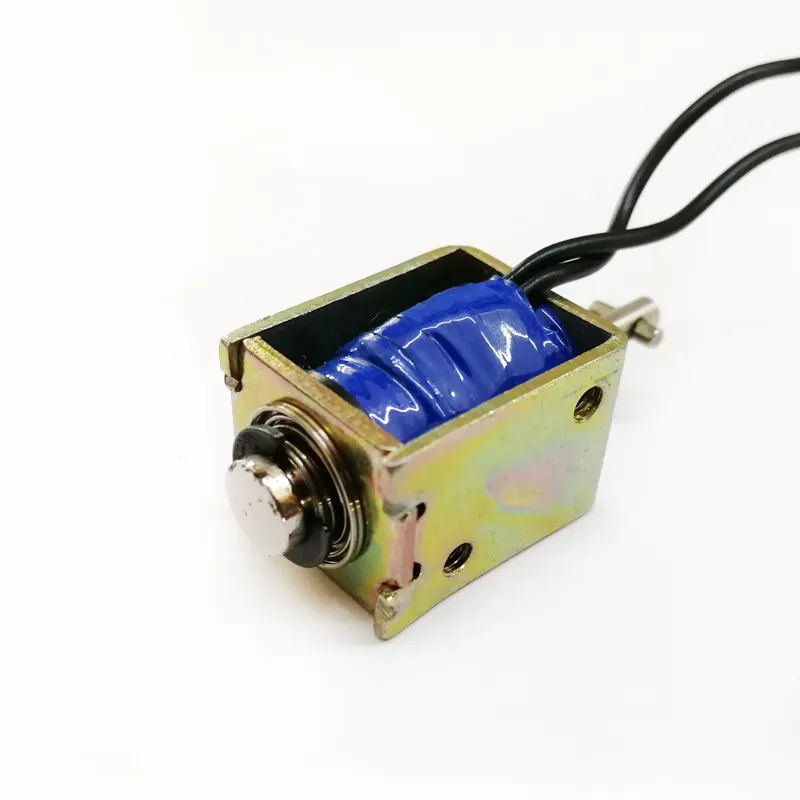
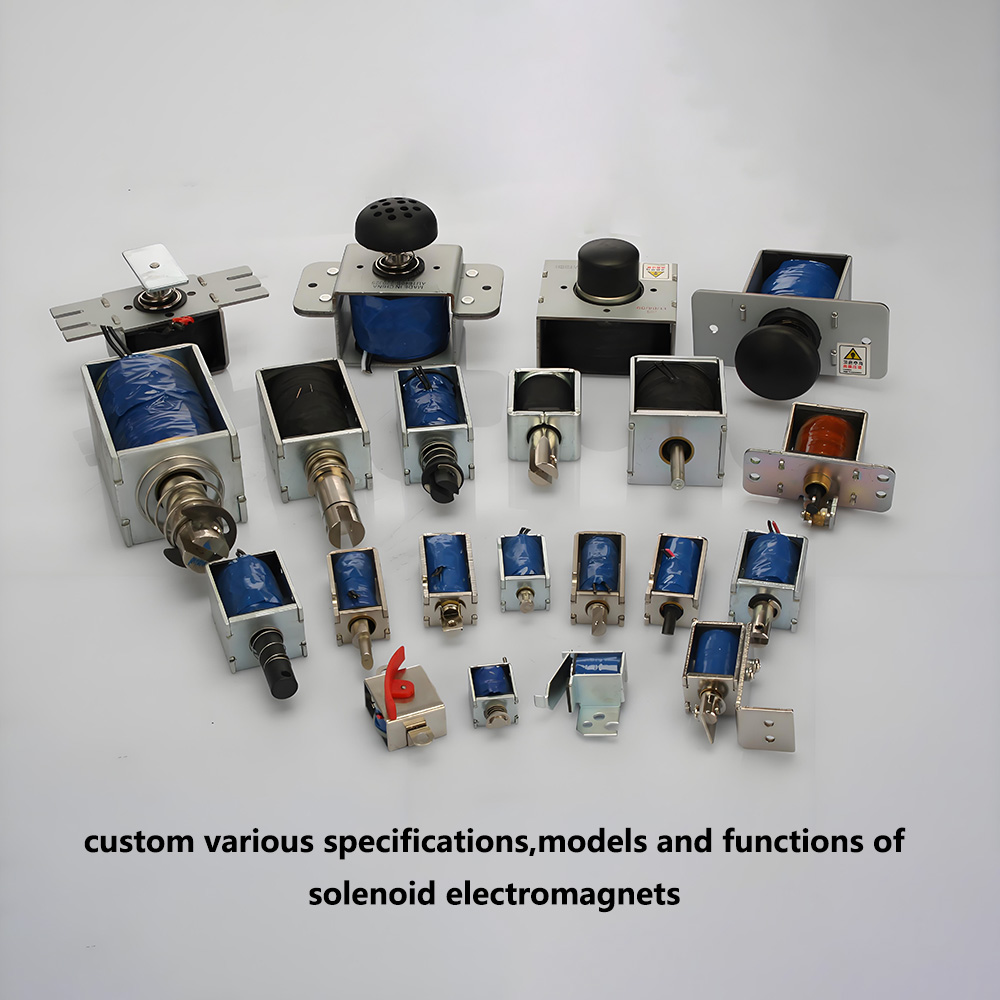
While standard solenoids are cheaper, they are rarely optimized for high-performance thermal environments. Customization allows us to optimize the wire gauge, the number of turns, and the core dimensions specifically for your voltage and heat profile. At SF, we bridge the gap between expensive bespoke engineering and low-cost standard production by utilizing our modular manufacturing processes.
10. The Importance of First Article Inspection (FAI)
Never approve mass production without an FAI that includes a “Heat Soak Test.” Your Fabricante de solenoides should provide a test report showing the force output at ambient temperature vs. the force output after two hours of continuous power-on. This data is your insurance policy against field failures.
11. Troubleshooting: Is it the Solenoid or the Voltage Supply?
Sometimes, the solenoid attraction force isn’t dropping because of the solenoid, but because of the power supply’s inability to compensate for resistance changes. Ensure your power supply can maintain a stable voltage even as the solenoid draws different levels of current throughout its thermal cycle.
12. Future-Proofing: Choosing a Partner for the Long Run
As your brand grows, you need a partner who scales with you. Whether you need 500 units for a pilot or 50,000 for a global launch, your solenoide eletromagnético supplier should be an extension of your own R&D team. With 10 years of experience and a deep commitment to technical transparency, SF provides the consistency that keeps your products running, not just for an hour, but for years.
Why SF is Your Ideal Solenoid Partner
Thermal decay is a challenge, not an inevitability. By partnering with an experienced Fabricante de solenoides like SF, you gain access to a team that understands the delicate balance of electromagnetism and thermodynamics. We don’t just supply solenoids; we supply performance guarantees. If you are tired of mysterious performance drops and need a partner who can engineer solutions to your most complex force-related problems, contact our engineering team today. Let’s build something reliable together.
Personalize todos os tipos de eletroímãs, entre em contato com a fábrica de eletroímãs SF whatsapp +86 189 0261 1680