









Última atualização em 2025-04-11 por SolenoidFactory
No cenário em constante evolução da tecnologia, a interferência eletromagnética (EMI) e a compatibilidade eletromagnética (EMC) tornaram-se considerações essenciais no projeto e na operação de dispositivos elétricos e eletrônicos. Entre esses dispositivos, os eletroímãs desempenham um papel fundamental, muitas vezes exigindo eletroímã anti-interferência para funcionar de forma confiável em ambientes ruidosos. Da mesma forma, técnicas de blindagem eletromagnética são empregadas para proteger componentes sensíveis dos efeitos adversos de campos eletromagnéticos externos. Este blog se aprofunda nos meandros da capacidade anti-interferência dos eletroímãs e da blindagem eletromagnética, fornecendo um guia abrangente que desmistifica esses conceitos e explora suas aplicações práticas. Ao compreender esses princípios, engenheiros, projetistas e amadores podem aprimorar o desempenho e a confiabilidade de seus dispositivos eletromagnéticos, garantindo que eles funcionem perfeitamente em uma ampla variedade de ambientes.

O que é a capacidade anti-interferência do eletroímã?
Interferência eletromagnética (EMI) ocorre quando um campo eletromagnético emitido por um dispositivo ou componente afeta o desempenho de outro. Essa interferência pode se manifestar como ruído, distorção de sinal ou até mesmo falha total dos sistemas eletrônicos. Os eletroímãs, devido à sua capacidade inerente de gerar campos magnéticos fortes, são particularmente suscetíveis tanto a causar quanto a ser afetados pela EMI. Portanto, projetar eletroímãs com fortes eletroímã anti-interferência é fundamental para garantir sua operação confiável em ambientes ruidosos.
Fontes de EMI:
- Fontes internas: Incluem os próprios enrolamentos da bobina do eletroímã, que podem irradiar energia eletromagnética quando excitados por uma corrente.
- Fontes externas: As fontes externas de EMI podem ser outros dispositivos elétricos, linhas de energia, sinais de rádio ou até mesmo fenômenos naturais, como raios.
Mecanismos de interferência:
- Acoplamento condutivo: A EMI pode ser transferida por meio de caminhos condutores, como fios ou estruturas metálicas.
- Acoplamento radiativo: Os campos eletromagnéticos podem se irradiar pelo espaço e induzir correntes ou tensões em condutores próximos, causando interferência.
- Acoplamento indutivo: As alterações nos campos magnéticos podem induzir tensões em circuitos próximos, causando interferência.
Estratégias anti-interferência:
- Blindagem: O uso de materiais condutores para envolver o eletroímã pode bloquear ou reduzir efetivamente o acoplamento de campos eletromagnéticos externos.
- Filtragem: A incorporação de filtros no circuito do eletroímã pode atenuar as frequências indesejadas, evitando que elas causem interferência.
- Aterramento: Técnicas de aterramento adequadas podem garantir que as correntes de interferência sejam direcionadas com segurança para o terra, minimizando seu impacto em circuitos sensíveis.
- Otimização de design: O projeto do eletroímã levando em consideração a EMC pode envolver técnicas como minimizar as áreas de loop, usar pares trançados para a fiação e garantir o espaçamento adequado entre os componentes.
o que é blindagem eletromagnética: Aplicações práticas
A blindagem eletromagnética é uma técnica fundamental usada para proteger componentes e circuitos sensíveis contra os efeitos adversos de campos eletromagnéticos externos. Ao criar uma barreira entre a fonte do campo e o componente protegido, a blindagem pode reduzir ou eliminar significativamente a interferência, garantindo a operação confiável dos sistemas eletrônicos.
Tipos de blindagem:
- Blindagem condutiva: Materiais condutores, como metais, são usados para criar um efeito de gaiola de Faraday, bloqueando a penetração de campos eletromagnéticos na área blindada.
- Blindagem de absorção: Materiais que absorvem energia eletromagnética, como ferrites, podem ser usados para reduzir a intensidade de campos em uma faixa de frequência específica.
- Blindagem reflexiva: Os materiais de alta refletividade podem ser usados para refletir os campos eletromagnéticos para longe dos componentes sensíveis, minimizando seu impacto.
Aplicações da blindagem eletromagnética:
- Eletrônica e comunicações: Nos sistemas de comunicação, a blindagem é usada para proteger os circuitos sensíveis do receptor contra interferências causadas por transmissores ou outras fontes de EMI.
- Dispositivos médicos: Os dispositivos eletrônicos médicos, como máquinas de ressonância magnética e marcapassos, exigem uma blindagem rigorosa para evitar interferências e garantir a segurança do paciente.
- Aeroespacial e militar: Em aplicações aeroespaciais e militares, a blindagem é essencial para proteger os sistemas eletrônicos contra pulsos eletromagnéticos (EMPs) e outras ameaças eletromagnéticas de alta intensidade.
- Sistemas de energia: Os sistemas de distribuição de energia geralmente empregam blindagem para reduzir a interferência entre cabos adjacentes e para proteger os circuitos de controle sensíveis do ruído gerado por transformadores de energia e outros equipamentos.
- Eletrônicos de consumo: Os dispositivos de consumo, como smartphones, tablets e laptops, incorporam blindagem para proteger os circuitos internos da interferência causada por sinais externos e para garantir a conformidade com os padrões de EMC.
Considerações sobre o projeto de blindagem eletromagnética:
- Seleção de materiais: A escolha do material de blindagem depende da faixa de frequência dos campos eletromagnéticos a serem blindados e dos requisitos específicos da aplicação. Materiais condutores como cobre, alumínio e aço são comumente usados.
- Eficácia da blindagem: A eficácia de um material de blindagem é determinada por sua condutividade, permeabilidade e espessura. Em frequências mais altas, os materiais com alta condutividade são mais eficazes, enquanto em frequências mais baixas, a permeabilidade se torna mais importante.
- Geometria de blindagemA geometria da blindagem pode impactar significativamente sua eficácia. Por exemplo, uma estrutura de blindagem fechada, como uma gaiola de Faraday, oferece melhor proteção do que uma estrutura aberta.
- Aterramento e ConexãoO aterramento e a ligação adequados dos materiais de blindagem são cruciais para garantir que as correntes de interferência sejam direcionadas com segurança para a terra, impedindo que circulem dentro da área blindada e causem interferência.
- Avaliação 0 de 5
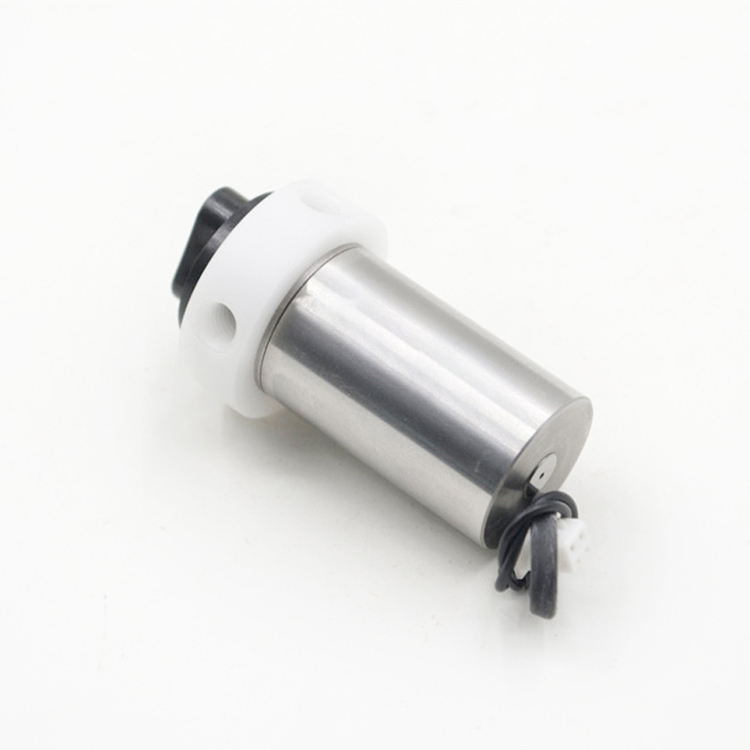
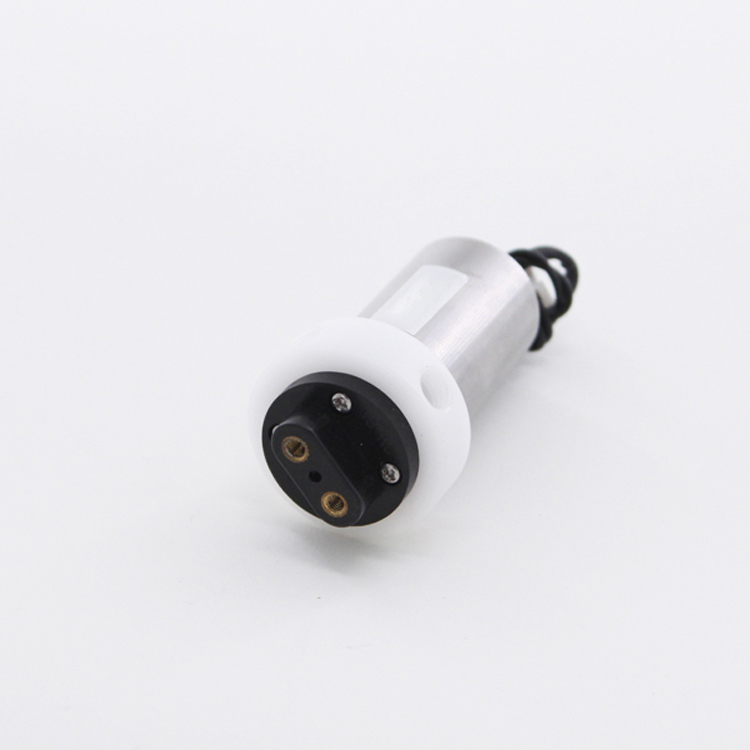
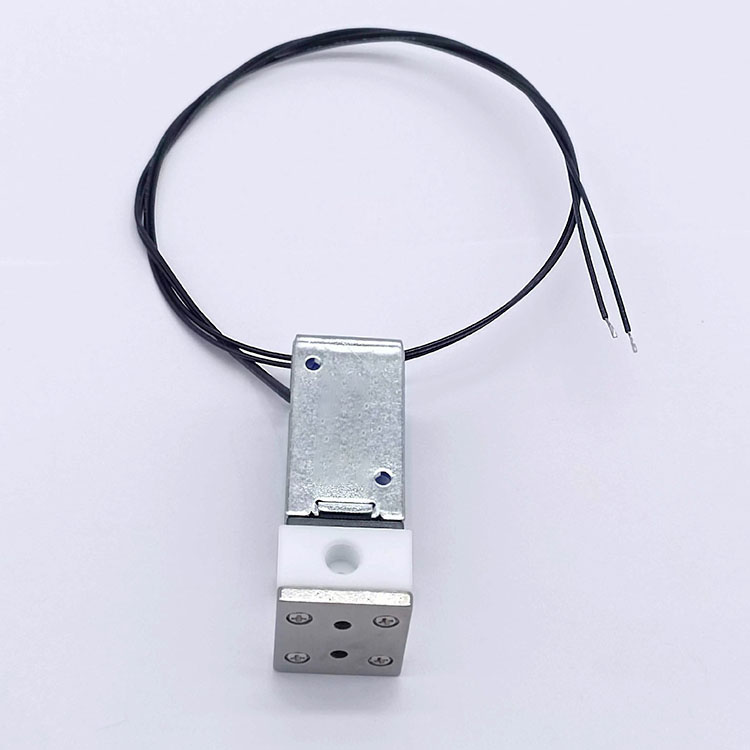
Estudos de caso: Aplicações práticas de anti-interferência e blindagem eletromagnética
Para ilustrar a aplicação prática de eletroímã anti-interferência Considerando as capacidades e a blindagem eletromagnética, vamos explorar alguns estudos de caso:
Máquinas de ressonância magnéticaOs aparelhos de ressonância magnética geram campos magnéticos potentes para obter imagens do corpo humano. Para proteger pacientes e funcionários dos efeitos adversos desses campos, as salas de ressonância magnética são equipadas com materiais de blindagem espessos e condutores que criam um efeito de gaiola de Faraday, bloqueando interferências eletromagnéticas externas e impedindo que o campo da ressonância magnética escape da sala.
Sistemas de comunicação aeroespacialEm aplicações aeroespaciais, os sistemas de comunicação devem operar de forma confiável na presença de interferência eletromagnética de alta intensidade proveniente de outros sistemas e do ambiente externo. Técnicas de blindagem, como o uso de juntas condutoras e materiais absorventes, são empregadas para proteger os circuitos sensíveis dos receptores contra interferências, garantindo uma comunicação clara.
Smartphones e tabletsDispositivos eletrônicos de consumo, como smartphones e tablets, incorporam blindagem para proteger os circuitos internos contra interferências causadas por sinais externos, como ondas de rádio e sinais Wi-Fi. Essa blindagem geralmente é integrada à carcaça do dispositivo e projetada para atender aos padrões internacionais de EMC (Compatibilidade Eletromagnética).
Veículos ElétricosOs veículos elétricos (VEs) dependem de sistemas eletrônicos complexos para controle e comunicação. Para proteger esses sistemas contra interferências causadas pelos próprios componentes de acionamento elétrico do veículo, são empregadas técnicas de blindagem, como o uso de cabos blindados e a incorporação de planos de aterramento no sistema elétrico do veículo.
A capacidade de resistência à interferência eletromagnética e a blindagem eletromagnética são considerações essenciais.
Anti-interferência eletromagnética A capacidade de interferência eletromagnética (EMI) e a blindagem eletromagnética são considerações essenciais no projeto e operação de dispositivos elétricos e eletrônicos. Ao compreender os princípios de EMI e EMC, engenheiros e projetistas podem desenvolver estratégias para mitigar interferências e garantir a operação confiável de seus dispositivos. Técnicas de blindagem eletromagnética, como blindagem condutiva, blindagem absorvente e blindagem reflexiva, oferecem soluções práticas para proteger componentes sensíveis de campos eletromagnéticos externos. Por meio de estudos de caso e aplicações práticas, podemos observar como esses princípios são aplicados em cenários reais, garantindo o desempenho e a confiabilidade de uma ampla gama de sistemas eletrônicos. À medida que a tecnologia continua a evoluir, esses conceitos permanecerão cruciais para impulsionar a inovação e os avanços no projeto e fabricação de eletroímãs, contribuindo para sistemas eletrônicos mais seguros, eficientes e confiáveis em diversos setores.
Sobre a fábrica de eletroímãs SF
A Shengfeng Electromagnet Co., Ltd. foi fundada em 2015 e está localizada no Parque Industrial de Xiansha, com belas paisagens e transporte conveniente. A empresa ocupa uma área de 16.000 metros quadrados e tem instalações de produção modernas, equipamentos de produção avançados e uma equipe técnica de alta qualidade. Desde sua fundação, sempre aderimos à filosofia corporativa de “inovação, qualidade e serviço”, com foco em pesquisa, desenvolvimento e produção de eletroímãs, A empresa está constantemente promovendo atualizações de produtos e progresso tecnológico, além de fornecer aos clientes produtos e serviços da melhor qualidade.
Por que escolher o eletroímã SF
QUALIDADE DE PONTA:Como o melhor fabricante de eletroímãs solenoides da China, nossa equipe de controle de qualidade garantirá que todos os produtos que você receber sejam da melhor qualidade. Temos uma máquina de teste de qualidade profissional.
DESIGN DO PRODUTO:Nosso departamento de amostragem tem um processo completo de transformar desenhos em realidade. Também aprimoramos o design do seu produto com base em nossos anos de experiência de trabalho.
TEMPO DE ENTREGA ESTÁVEL:Como o melhor fabricante e fornecedor de eletroímãs, temos capacidade de fabricação suficiente, grandes pedidos não nos vencem e ainda podemos entregar o pedido a tempo.
MELHOR PREÇO:Somos uma fábrica de fontes de eletroímãs e o melhor fabricante de solenóides da China, por isso podemos fornecer bolsas de alta qualidade com o melhor preço.
GERENCIAMENTO PRECISO:Nada pode ser alcançado se não implementarmos um gerenciamento preciso. Somos uma empresa com um sistema de gerenciamento completo.
7-24 SERVIÇO:Como o melhor fabricante de solenóides, resposta imediata 24 horas por dia, 7 dias por semana: Receberemos seu feedback para nos tornar um fornecedor melhor.
Perguntas frequentes sobre o eletroímã
Somos uma empresa chinesa de ponta eletroímã e nossa fábrica está localizada em Dongguan. Bem-vindo a visitar nossa fábrica!
Somos especializados no design e na produção de produtos de alta qualidade eletroímã,válvula solenoide,como solenoide rotativo, solenoides biestáveis, solenoides de travamento, solenoides de estrutura aberta, solenoides tubulares, solenoide de retenção automática
-É claro que, normalmente, fornecemos amostras grátis, e você só precisa arcar com o frete. Para amostras personalizadas de eletroímãs, envie-nos seus requisitos para verificarmos o custo da amostra.
- A produção de amostras leva cerca de 7 dias.
Sim, fornecemos serviços gratuitos de design, design estrutural e design gráfico simples.
Claro, podemos fazer qualquer eletroímã com seu projeto. Agora, abrimos um solenoide ODM que é para pequenas quantidades de 100 a 500 unidades, mas você ainda pode ter seu próprio logotipo.
Dependendo da quantidade do pedido e dos detalhes da produção, o prazo é de 15 a 20 dias.
Sempre uma amostra de pré-produção antes da produção em massa; sempre a inspeção final antes do envio
- Potência, uso, tamanho, material, quantidade, destino da remessa, etc.
- Você também pode simplesmente nos informar suas necessidades e nós recomendaremos produtos para você.
- Por via marítima, aérea ou expressa.
- Se você tiver seu próprio despachante na China, esse é o preço à saída da fábrica ou FOB.
-CFR ou CIF, etc., se precisar que façamos o envio em seu nome.
- DDP e DDU também podem ser usados.
- Mais opções, consideraremos suas opções.
- O preço é determinado pela quantidade, material, método de processamento, tamanho e outros fatores. Além disso, devido à nossa contínua
inovação tecnológica, os preços de alguns de nossos produtos são extremamente competitivos; entre em contato conosco para fazer uma cotação.