









How to Reduce Solenoid Operating Noise: An Engineering Guide to Quiet Solenoids for Equipments
A solenoid converts electrical energy into controlled mechanical movement, making it an essential actuator in medical equipment, office automation, laboratory instruments, smart devices, vending machines, coffee machines, printers, scanners, and industrial equipment. However, electromagnetic actuation can produce audible clicking, knocking, buzzing, vibration, or structural resonance. In applications where users work close to the equipment, even a relatively small increase in sound pressure can become noticeable.
For medical equipment, laboratory instruments, diagnostic systems, and office equipment, noise is not merely a comfort issue. Excessive actuator noise can affect the perceived quality of the machine, disturb patients or operators, interfere with acoustic measurements, and make a premium product feel mechanically crude. This is why engineers increasingly specify a quiet solenoid rather than treating noise as an afterthought.
A truly quiet solenoid is not created simply by adding rubber or reducing the operating voltage. Noise is the result of several interacting mechanisms: electromagnetic force, plunger impact, spring dynamics, mechanical clearance, magnetic circuit design, coil excitation, mounting structure, and acoustic resonance. A professional custom solenoid manufacturer therefore needs to address noise at the electromagnetic, mechanical, electrical, and system levels.
This guide explains the major causes of solenoid noise, how engineers can reduce operating decibels, how medical and office equipment manufacturers should specify a custom quiet solenoid, how production quality affects acoustic consistency, and how to select a reliable quiet solenoid factory for OEM production.
1. Quiet Solenoid Noise Starts With Understanding Where the Sound Comes From
Before attempting to reduce noise, engineers must identify the actual source.
A working solenoid can generate several types of acoustic and mechanical noise:
- Plunger impact noise
- Spring impact or oscillation
- Magnetic buzzing
- Mechanical vibration
- Housing resonance
- Guide friction
- Electrical excitation noise
- Noise transmitted through the mounting structure
The most obvious sound is usually the impact that occurs when the plunger reaches the end of its stroke. However, this is not always the dominant source.
For example, a solenoid mounted directly onto a thin metal frame may transmit vibration into the entire equipment enclosure. The solenoid itself may produce only moderate vibration, but the enclosure can behave like a loudspeaker.
Therefore, a professional fábrica de electroimanes should investigate both airborne noise y structure-borne noise.
2. Quiet Solenoid Design Requires Controlling Plunger Impact
For many DC solenoids, the largest audible event occurs when the plunger reaches the end of its travel.
Imagine a plunger moving rapidly toward a steel pole piece. If it reaches the end of the stroke at high velocity and makes direct metal-to-metal contact, mechanical energy is converted into:
- Impact sound
- Vibration
- Structural resonance
- Secondary oscillation
This can create the characteristic sharp “click” associated with conventional solenoids.
Engineering Solutions
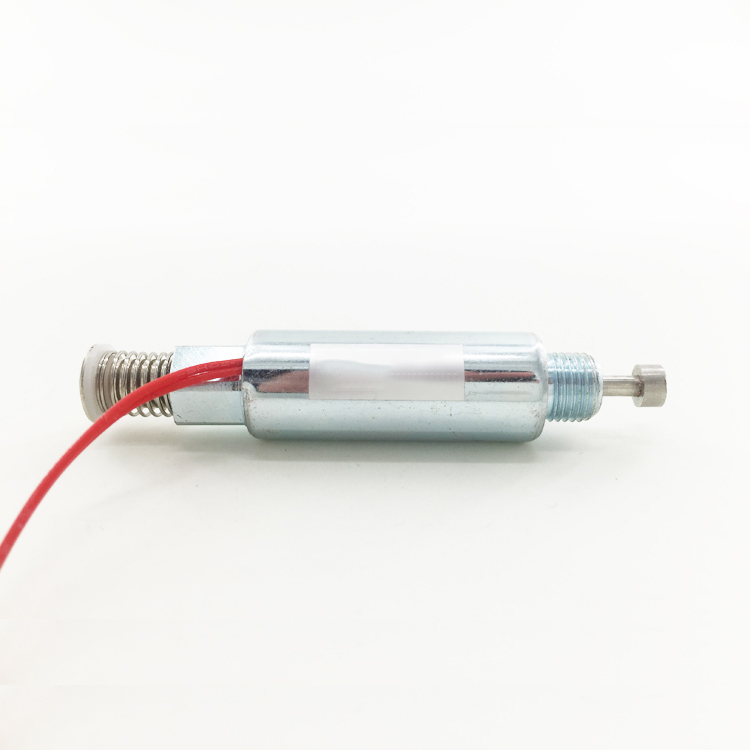
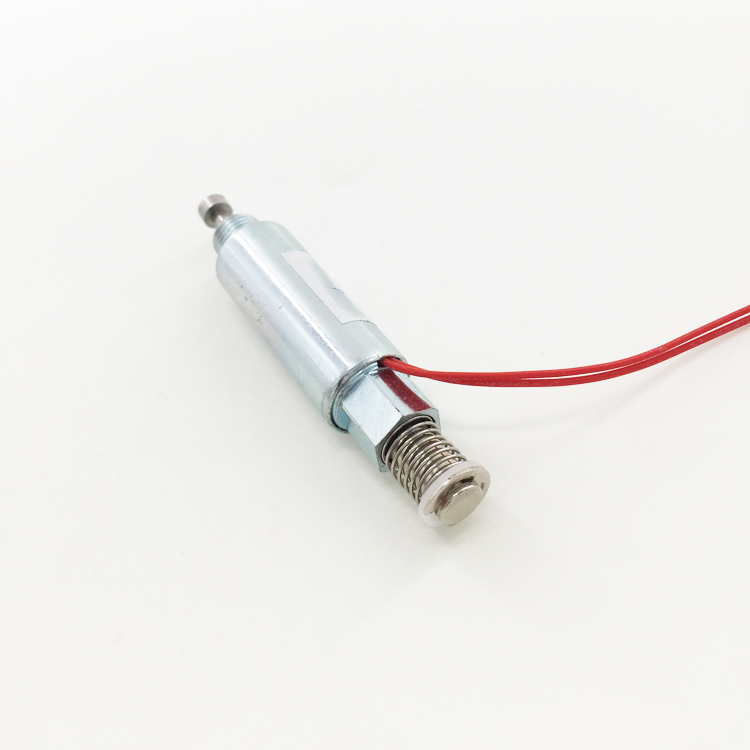
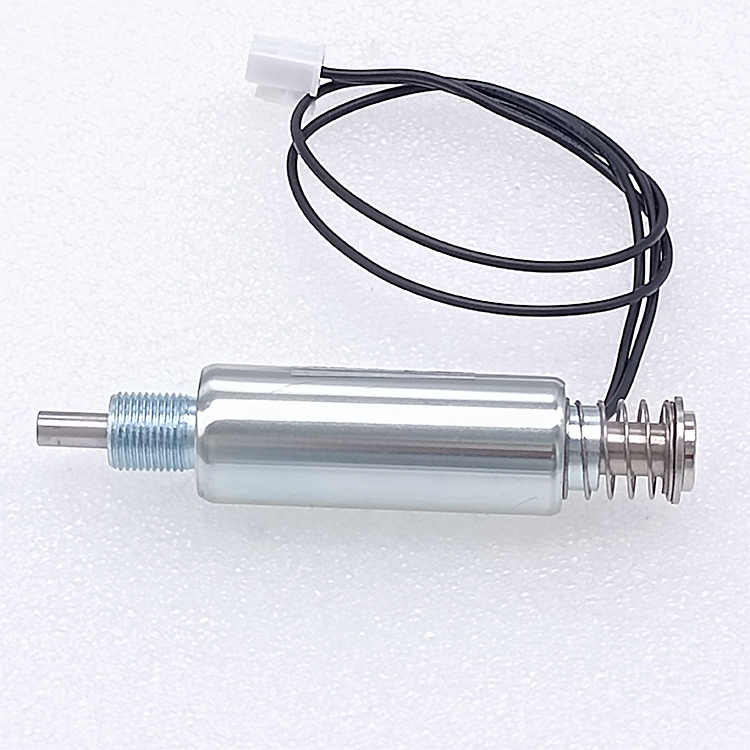
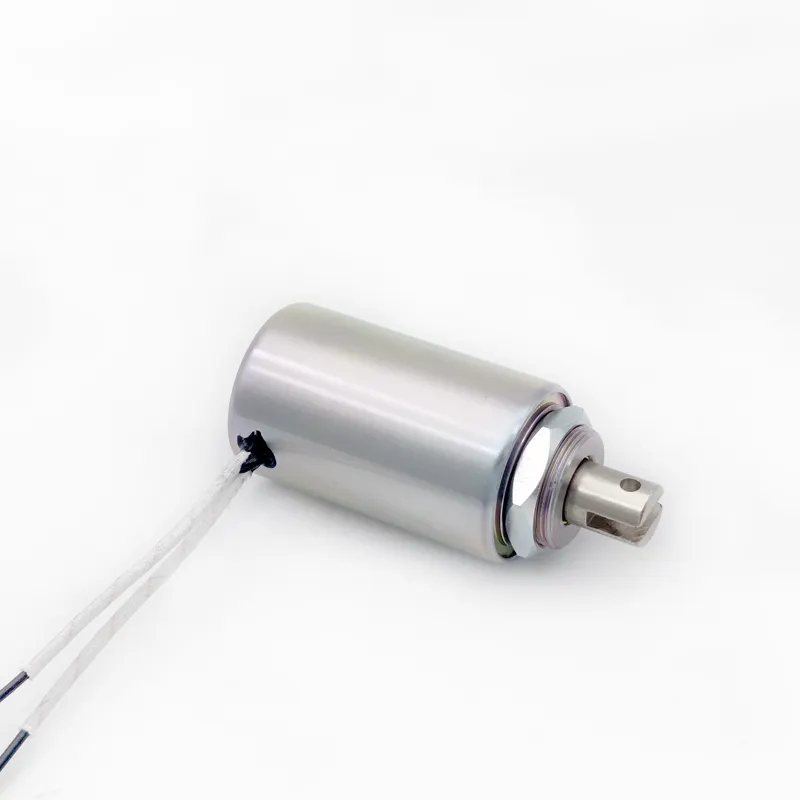
A quiet solenoid can use several techniques:
- Elastomer damping pads
- Non-metallic impact surfaces
- Controlled end-stop geometry
- Reduced final-stage velocity
- Optimized spring force
- Magnetic force shaping
- Progressive damping
The objective is not necessarily to slow the entire plunger movement. Instead, engineers should reduce impact velocity at the final portion of the stroke while maintaining sufficient initial acceleration.
This distinction is important because simply reducing solenoid force can improve acoustic performance but may also cause incomplete actuation.
3. Quiet Solenoid Magnetic Circuit Optimization
Magnetic circuit design has a direct effect on both performance and noise.
A poorly optimized magnetic circuit may create:
- Excessive magnetic attraction near the end of the stroke
- Sudden plunger acceleration
- Magnetic vibration
- Audible buzzing
- Unstable movement
Un profesional custom solenoid manufacturer can modify:
- Pole geometry
- Entrehierro
- Plunger shape
- Core dimensions
- Material magnético
- Flux path
- Pole-face geometry
to control how electromagnetic force changes throughout the stroke.
The objective is to achieve the required force while preventing unnecessarily aggressive movement at the end of travel.
Key Principle
A quiet solenoid should be designed around a force-stroke profile, not simply a maximum force value.
4. Quiet Solenoid Coil and Drive Circuit Optimization
The electrical drive system can have a significant effect on acoustic behavior.
A conventional solenoid may receive a simple ON/OFF voltage signal. This causes the current to rise rapidly, generating a strong magnetic force and rapid plunger acceleration.
For some applications, a more sophisticated drive profile can reduce noise.
Peak-and-Hold Control
A high initial current rapidly moves the plunger.
After the plunger approaches its final position, the controller reduces current to a lower holding level.
Benefits include:
- Reduced coil heating
- Lower energy consumption
- Reduced sustained magnetic force
- Potentially lower mechanical stress
PWM Control
Pulse-width modulation can also control average coil current.
However, PWM frequency must be selected carefully. If the excitation frequency falls within an audible range or interacts with mechanical resonance, the result can actually increase buzzing.
Therefore, the quiet solenoid and its driver should ideally be evaluated as a complete electromechanical system.
5. Quiet Solenoid Plunger and Guide Design
Plunger-to-guide interaction is another important noise source.
If the clearance is too large, the plunger can move laterally and strike the guide sleeve.
If the clearance is too small, friction increases.
Both conditions can create undesirable acoustic behavior.
Typical Trade-Off
| Design Condition | Potential Effect |
|---|---|
| Excessive clearance | Rattle, vibration, inconsistent movement |
| Insufficient clearance | Friction, sticking, slow response |
| Poor surface finish | Increased friction and noise |
| Misalignment | Side impact and wear |
| Optimized clearance | Smooth and repeatable movement |
For medical equipment and office equipment, precision machining becomes particularly important.
Un profesional quiet solenoid factory should control plunger diameter, guide bore, concentricity, surface roughness, and assembly alignment within defined tolerances.
6. Quiet Solenoid Spring Design
The spring is frequently overlooked during noise analysis.
A spring determines:
- Return force
- aceleración del émbolo
- Final impact
- Response behavior
- Holding requirements
An excessively strong spring may require higher electromagnetic force, which means higher current and potentially higher impact velocity.
An improperly designed spring may also oscillate after the plunger stops.
For a custom quiet solenoid, engineers should optimize:
- Spring rate
- Preload
- Free length
- Working length
- Material
- Surface treatment
- Fatigue life
The correct spring is not necessarily the weakest spring. It is the spring that provides the required mechanical function while maintaining a controlled dynamic response.

7. Quiet Solenoid Damping: Reducing Impact Without Sacrificing Performance
Damping is one of the most practical methods for reducing solenoid noise.
Possible damping materials include:
- Silicone
- EPDM
- Polyurethane
- Engineering plastics
- PTFE-based materials
- Custom elastomers
However, damping material selection requires careful consideration.
A soft material can significantly reduce impact noise, but excessive deformation may:
- Reduce effective stroke
- Increase mechanical resistance
- Change operating force
- Affect long-term stability
Temperature is also important.
A damping material that performs well at room temperature may become harder at low temperature or softer at elevated temperature.
Therefore, professional custom solenoid manufacturers should validate damping materials across the actual operating temperature range.
8. Quiet Solenoid Mounting Is Critical in Medical and Office Equipment
A common mistake is to optimize the solenoid itself while ignoring how it is installed.
A solenoid mounted directly to a large metal panel can transfer mechanical vibration into the entire enclosure.
The panel may amplify the vibration through resonance.
This means a relatively quiet actuator can produce an unexpectedly loud finished product.
System-Level Noise Reduction Techniques
- Rubber isolation mounts
- Elastomer washers
- Floating brackets
- Damping layers
- Reinforced mounting structures
- Avoidance of resonant panel frequencies
For a medical device, for example, the engineering team should evaluate not only the solenoid’s measured sound pressure level but also the acoustic behavior of the complete machine.
Important: The quietest solenoid in isolation is not necessarily the quietest actuator after installation.
9. Quiet Solenoid Applications in Medical Equipment
Medical equipment is one of the most demanding application areas for a silent solenoid.
Applications can include:
- Diagnostic instruments
- Laboratory analyzers
- Patient monitoring systems
- Drug dispensing equipment
- Medical pumps
- Automated sample handling
- Hospital beds
- Medical cabinets
- Surgical equipment
In these environments, noise can affect both patient comfort and the perceived quality of the device.
A sudden metallic “click” during an otherwise quiet diagnostic procedure may be unacceptable.
Medical equipment therefore often requires:
- Low acoustic output
- Repeatable operation
- Low vibration
- Larga vida útil
- Stable performance
- Controlled materials
- High manufacturing consistency
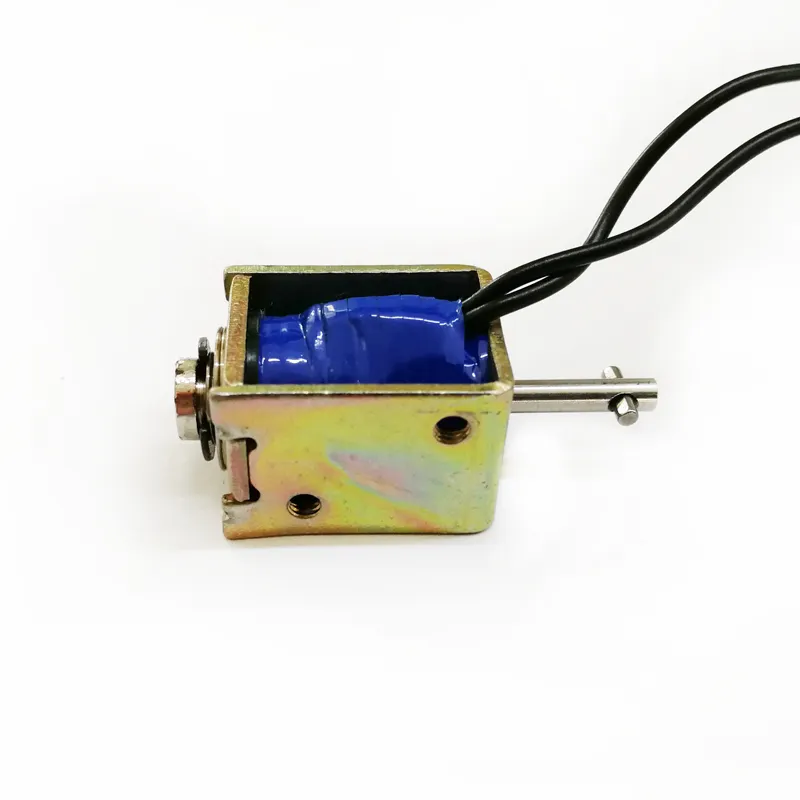
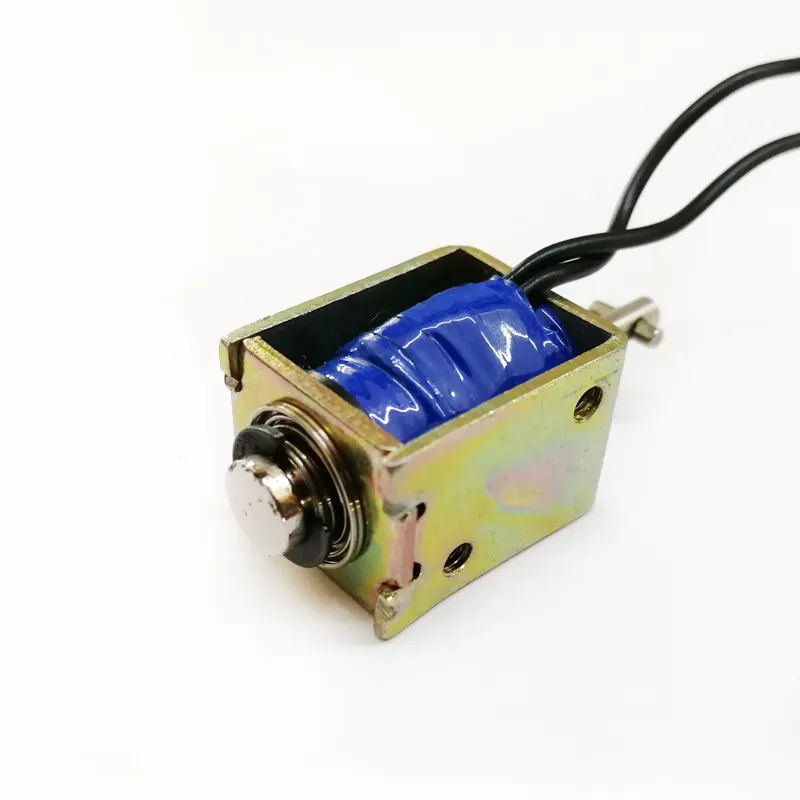
For these applications, SF engineers can optimize the magnetic circuit, plunger structure, spring, damping, and drive profile together rather than treating them as independent components.

10. Quiet Solenoid Applications in Office and Commercial Equipment
Office equipment also increasingly requires low-noise actuation.
Applications include:
- Printers
- Copiers
- Scanners
- Document feeders
- Automatic paper handling systems
- Vending machines
- Mail-processing equipment
- Office access systems
- Automated dispensers
In a quiet office, repetitive mechanical clicking can become highly noticeable.
For example, a printer may activate a small solenoid hundreds of times during a working day. Even a short impact sound can become irritating when repeated continuously.
A custom quiet solenoid can address this problem through:
- Controlled plunger acceleration
- Damped end stops
- Low-friction guides
- Optimized springs
- Improved mounting
- Appropriate drive control
11. Quiet Solenoid Manufacturing Consistency Determines Delivered Noise
Designing a quiet solenoid is only half the challenge.
The manufacturing process must reproduce the acoustic performance consistently.
Small variations can change noise significantly.
For example:
- Plunger diameter variation
- Guide bore variation
- Surface roughness
- Spring preload
- Resistencia de la bobina
- Damping pad thickness
- Assembly alignment
can all influence the final acoustic output.
This is why OEM customers should evaluate not only the prototype but also production consistency.
Recommended Quality Controls
| Parámetro | Recommended Control |
|---|---|
| Coil Resistance | 100% inspection |
| Plunger Dimension | Precision inspection |
| Guide Bore | Dimensional inspection |
| Spring Force | Force testing |
| Ataque | Functional testing |
| Noise | Defined acoustic test method |
| Lifecycle | Sample-based durability testing |
Un profesional fábrica de solenoides should establish measurable acceptance criteria rather than simply describing a product as “quiet.”
12. How to Specify a Quiet Solenoid Correctly
A vague requirement such as “the solenoid must be quiet” is difficult to manufacture consistently.
OEM buyers should define measurable requirements.
Important specifications include:
Acoustic Requirement
Specify:
- Maximum dB(A)
- Measurement distance
- Background noise
- Test environment
- Operating condition
For example:
Maximum 40 dB(A) measured at 1 meter under specified operating conditions.
The exact target should be determined according to the final equipment’s acoustic requirements.
Mechanical Requirement
Specify:
- Ataque
- Fuerza
- Speed
- Duty cycle
- Mounting configuration
Electrical Requirement
Specify:
- Rated voltage
- Actual
- Driver type
- PWM frequency
- Activation time
Environmental Requirement
Specify:
- Temperatura
- Humidity
- Vibration
- Dust
- Cleaning requirements
This information allows a custom solenoid manufacturer to engineer the product correctly from the beginning.
13. How to Select a Quiet Solenoid Factory and Verify Delivery Quality
Selecting a quiet solenoid factory requires more than checking whether the supplier has a catalog product.
OEM buyers should evaluate at least eight dimensions.
1. Engineering Capability
Does the supplier have engineers who understand electromagnetic and mechanical noise?
2. Acoustic Testing
Can the factory measure sound pressure using a controlled test procedure?
3. Prototype Capability
Can it rapidly modify:
- Émbolo
- Spring
- Damping
- Magnetic circuit
- Coil
?
4. Precision Manufacturing
Can it maintain the tolerances required for low-friction, low-noise operation?
5. Quality Control
Are critical acoustic-related dimensions inspected during production?
6. Lifecycle Testing
Does the factory verify that the damping and mechanical structure remain effective after repeated operation?
7. Application Testing
Can the supplier test the solenoid under the customer’s actual mounting and load conditions?
8. Production Capacity
Can the factory maintain consistent quality when the order scales from prototypes to mass production?
These factors distinguish a genuine China solenoid manufacturer from a supplier that simply assembles standard components.
14. Why SF Is a Preferred Custom Quiet Solenoid Manufacturer
SF has more than 10 years of experience in customized electromagnet and solenoid manufacturing, supporting brand customers across a wide range of industries.
Our experienced engineering team understands that low-noise performance is a system-level engineering problem.
For applications requiring a quiet solenoid, SF can optimize:
- Magnetic circuit
- Plunger geometry
- Guide clearance
- Fuerza del resorte
- Damping structure
- Surface finish
- Coil parameters
- Drive requirements
- Mounting structure
Our 6,000㎡ manufacturing facility provides the production capacity needed to support both prototype development and volume OEM manufacturing.
SF’s manufacturing capabilities cover customized:
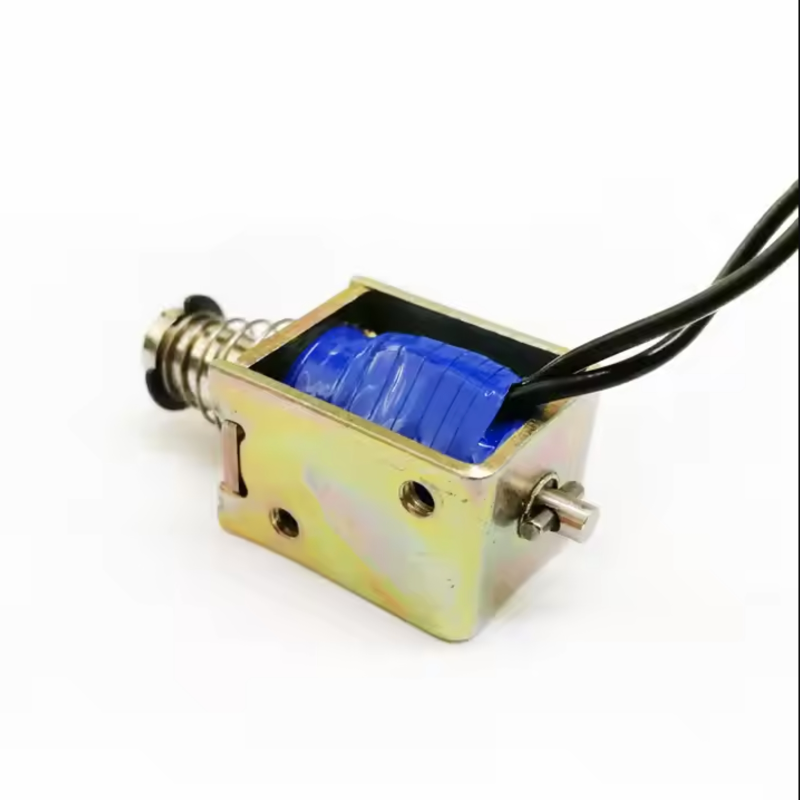
- Solenoides de empuje y tracción
- Solenoides tubulares
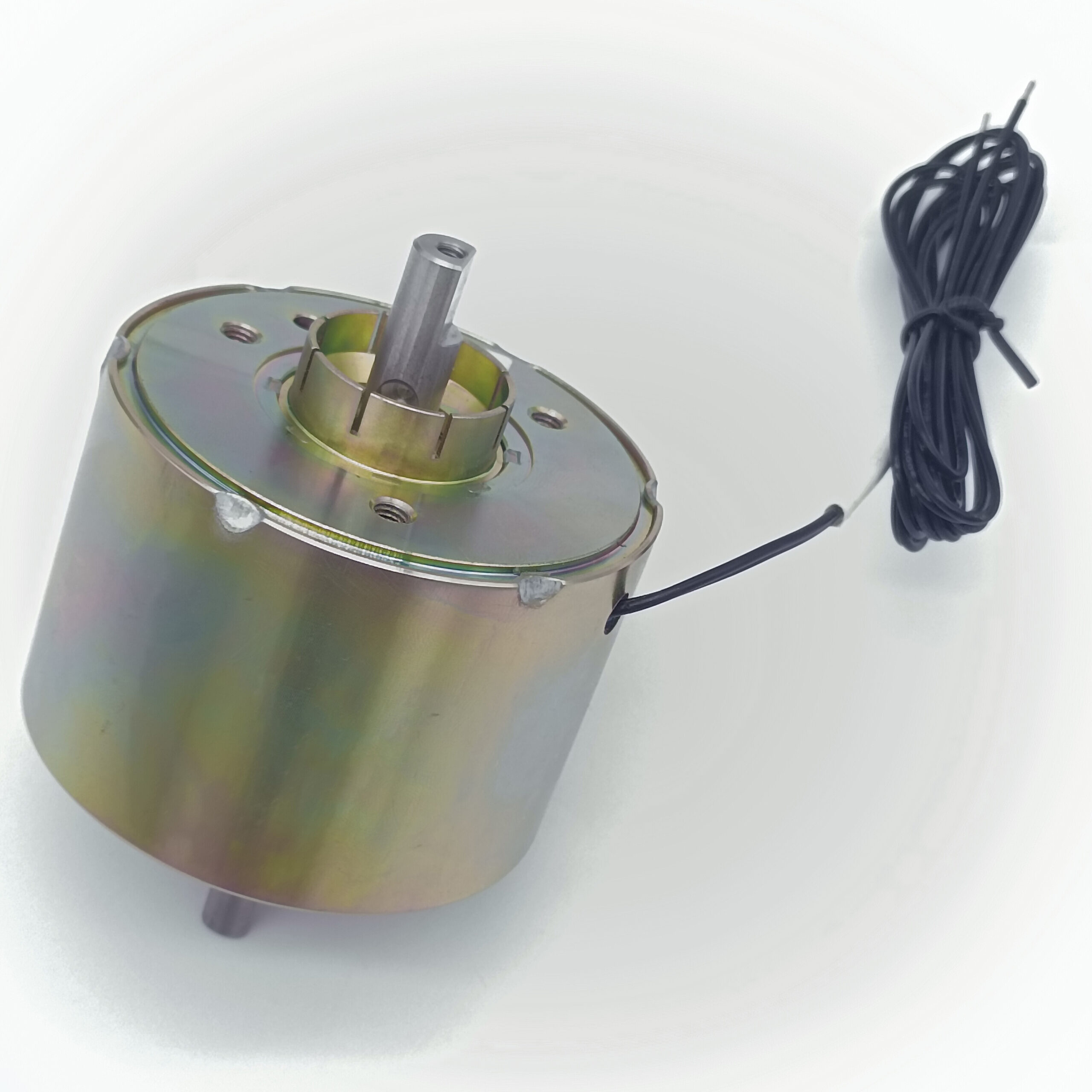
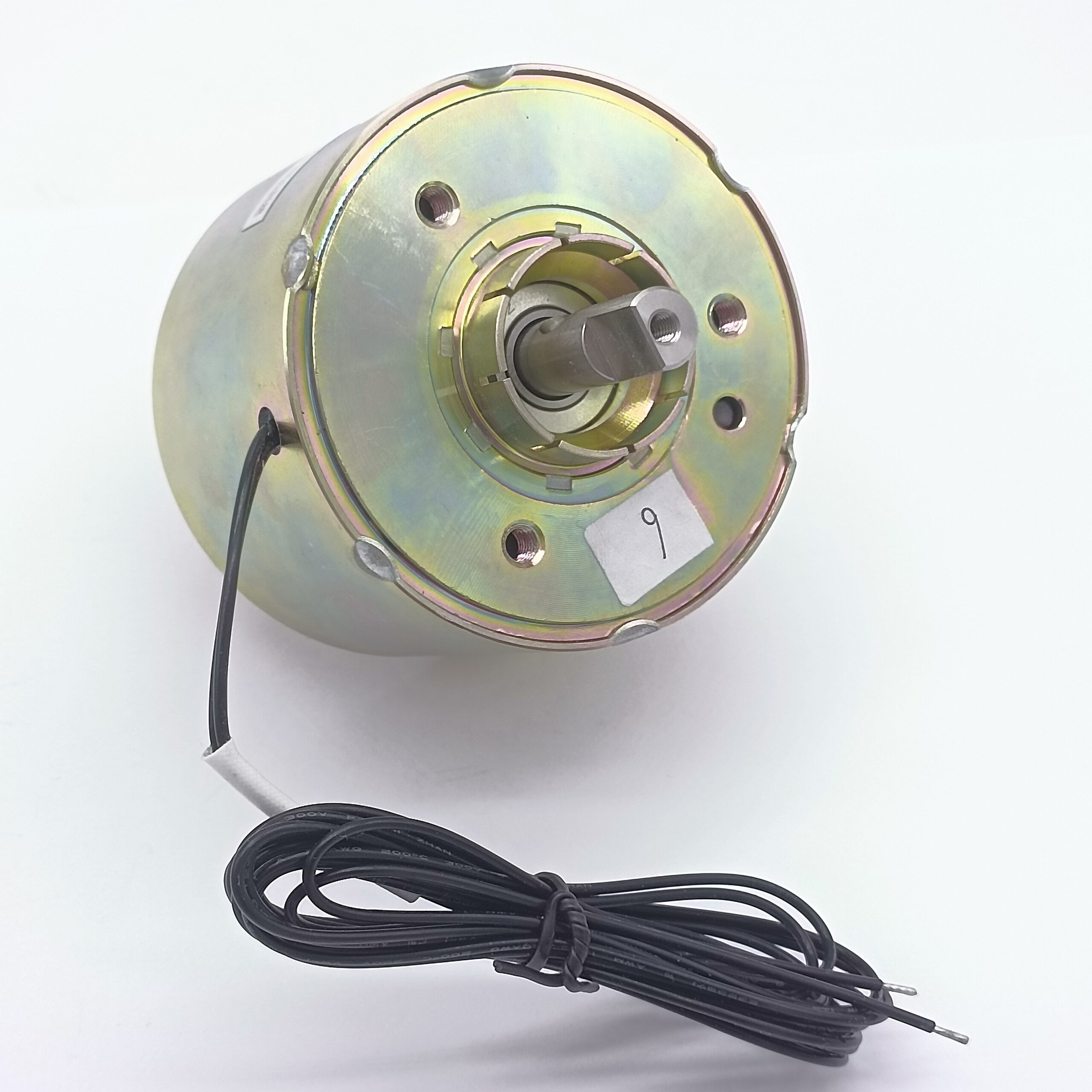
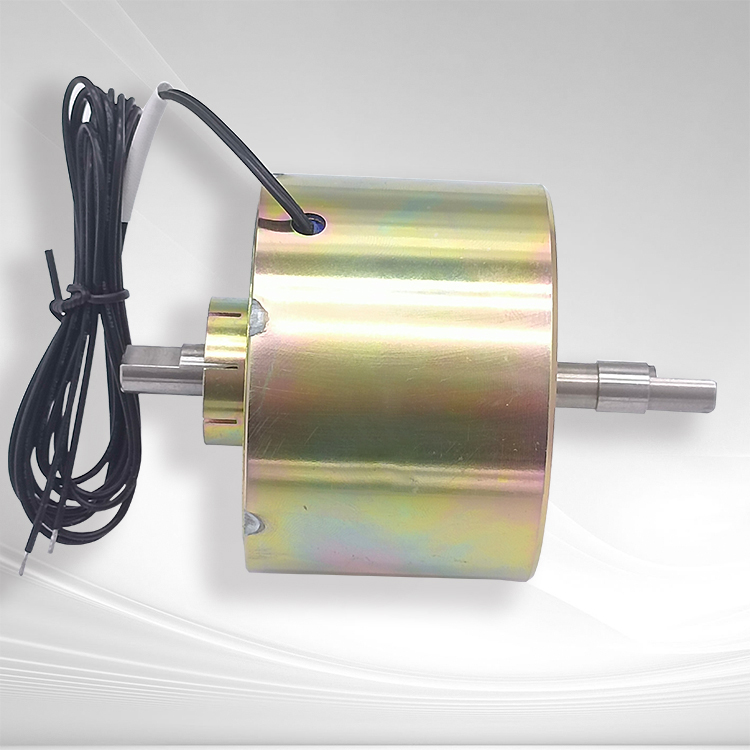
- solenoides rotativos
- Solenoides de enclavamiento
- Holding electromagnets
- Solenoid valves
- Small compact solenoids
- Application-specific electromagnetic actuators
Our products have been supplied to customers in more than 60 countries and regions.
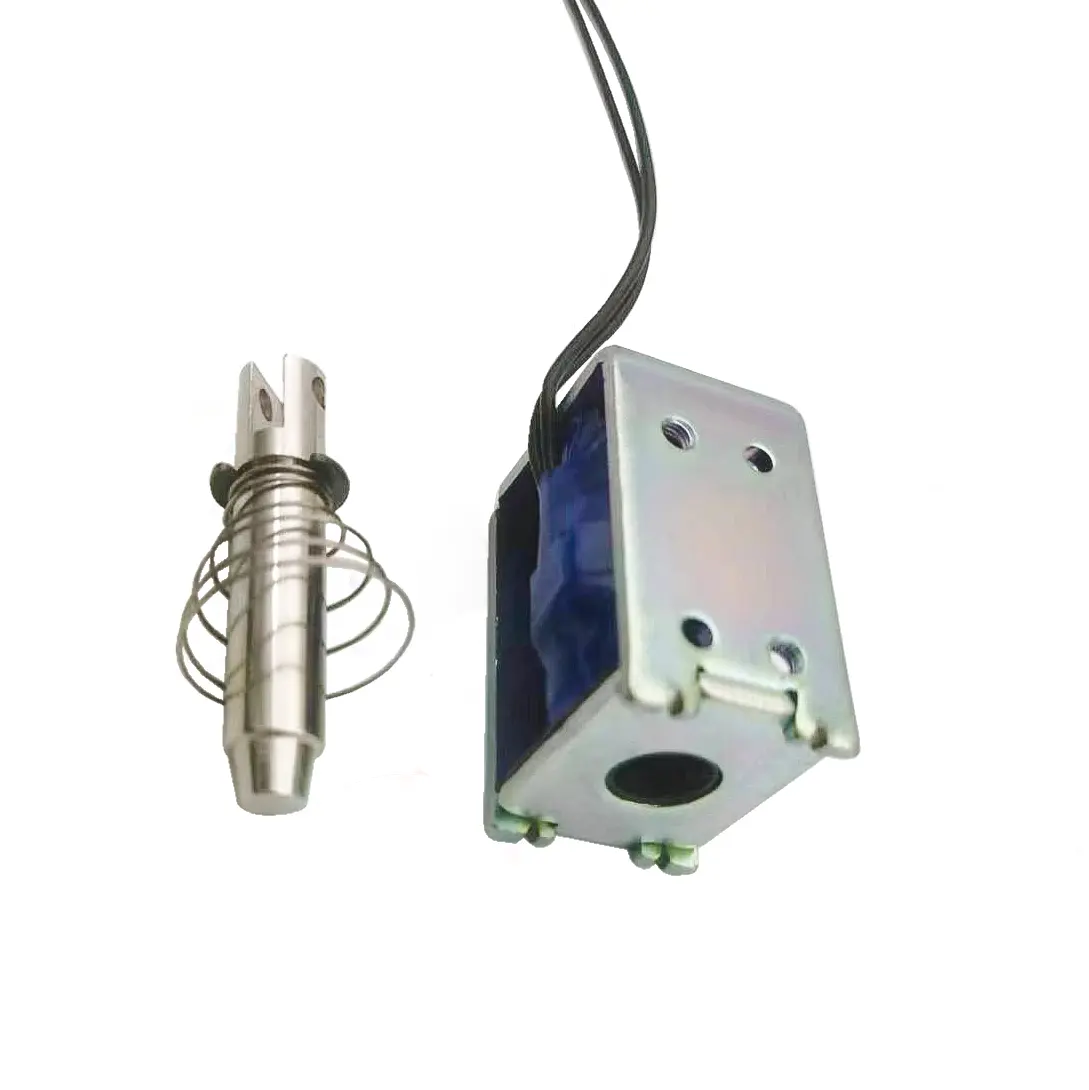
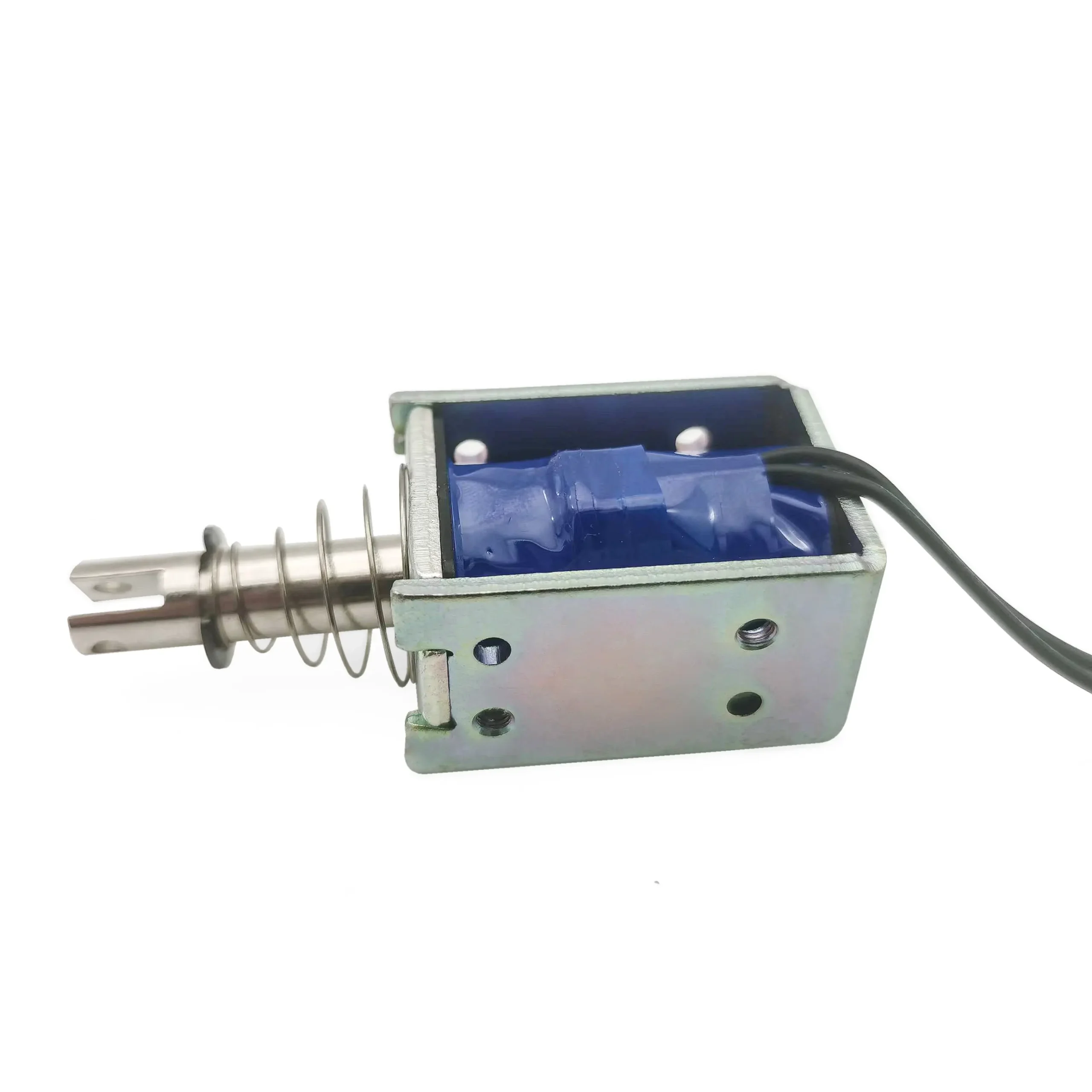
For medical equipment, office equipment, intelligent devices, and other noise-sensitive applications, SF can work with customers to define acoustic targets and develop a custom quiet solenoid around the complete application rather than simply modifying an existing standard model.
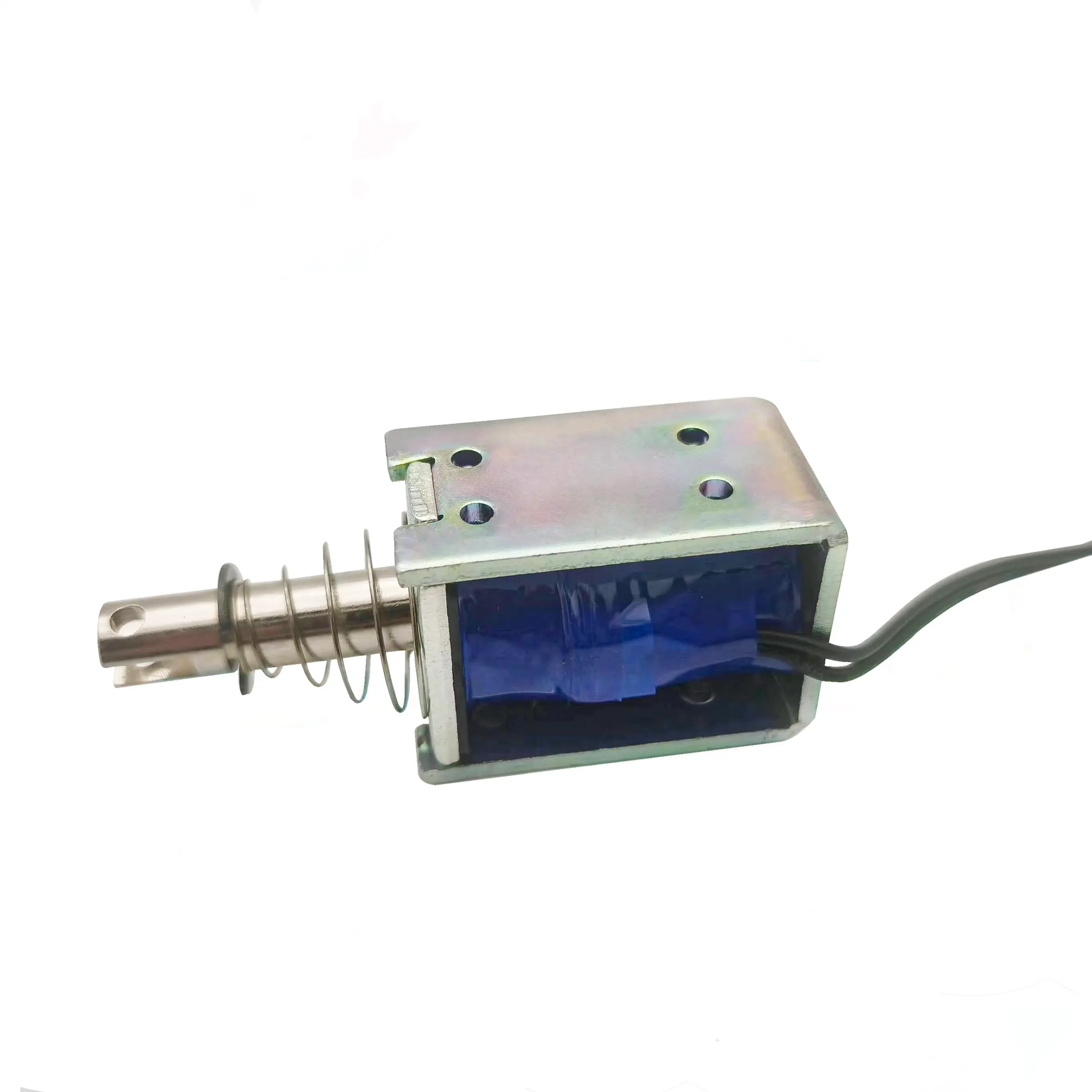
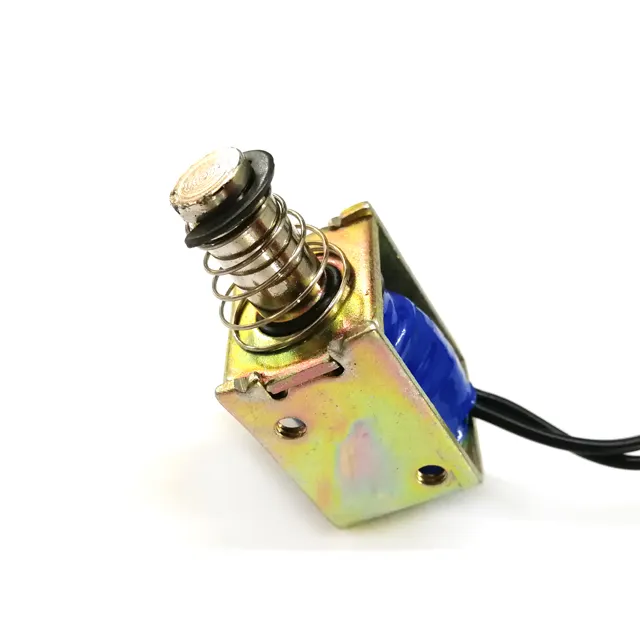
A Quiet Solenoid Is an Integrated Engineering Solution
Reducing solenoid noise is not simply a matter of adding a rubber pad to a conventional actuator.
A genuinely quiet solenoid requires coordinated optimization of:
- Magnetic circuit
- Plunger geometry
- Force-stroke curve
- Spring characteristics
- Guide clearance
- Surface finish
- Damping materials
- Drive electronics
- Mounting structure
- Manufacturing tolerances
- Lifecycle durability
- Complete-system acoustic performance
This is particularly important for medical equipment, laboratory instruments, office automation equipment, printers, scanners, and other products where users expect quiet operation.
For OEM buyers, the most important lesson is straightforward:
Do not ask only whether a solenoid is “quiet.” Ask how its noise is measured, under what operating conditions, and whether the acoustic performance is controlled consistently during mass production.
Un profesional custom solenoid manufacturer should be capable of connecting electromagnetic design, mechanical engineering, acoustic control, precision manufacturing, and quality assurance into one development process.
Con más de 10 years of manufacturing experience, an experienced engineering team, a 6,000㎡ production facility, extensive customization capabilities, and products exported to 60+ countries and regions, SF provides OEM customers with customized electromagnet solutions for demanding applications.
For customers seeking a silent solenoid, custom quiet solenoid, or application-specific electroimán solenoide, SF can provide engineering-driven solutions designed around the actual operating environment.
Preguntas frecuentes
What causes solenoid noise?
The primary sources include plunger impact, spring movement, magnetic vibration, mechanical clearance, housing resonance, friction, and electrical excitation.
How can a solenoid be made quieter?
Engineers can reduce noise by optimizing the magnetic circuit, controlling plunger velocity, improving guide clearance, optimizing spring characteristics, adding appropriate damping, improving mounting isolation, and selecting suitable drive electronics.
What is a quiet solenoid?
A quiet solenoid is an electromagnetic actuator engineered to achieve a defined low-noise performance target under specified operating conditions. Noise should be evaluated using measurable acoustic criteria rather than an undefined claim of “silent.”
Which applications need quiet solenoids?
Medical equipment, laboratory instruments, printers, copiers, scanners, office automation, vending machines, diagnostic equipment, and other user-facing machines commonly require low-noise solenoid actuation.
How should I choose a quiet solenoid factory?
Evaluate engineering capability, acoustic testing, precision manufacturing, prototype development, lifecycle testing, quality control, application testing, and production capacity.
Why choose SF?
SF combines more than 10 years of customized electromagnet manufacturing experience, an experienced engineering team, a 6,000㎡ manufacturing facility, broad product customization capability, and export experience across more than 60 countries and regions. The company can develop application-specific custom quiet solenoid solutions rather than relying solely on standard catalog products.
Fabricamos todo tipo de electroimanes a medida. Contacte con la fábrica de electroimanes SF. WhatsApp +86 189 0261 1680