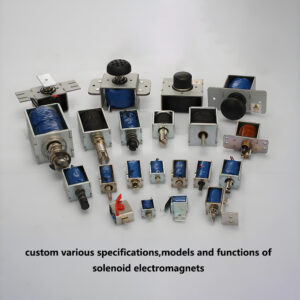










Introduction: Why Voltage Control Is Critical in Custom Electromagnet Design
In any electromagnet solenoid system, voltage is not just a power input—it is a defining factor that directly determines current, heat generation, and ultimately, product lifespan. While most engineers understand the rated voltage of a solenoid, many underestimate how sensitive a custom electromagnet is to voltage fluctuation.
A common failure scenario reported by OEM customers is:
“The solenoid works initially, but after some time, the coil burns out.”
In most cases, the root cause is overvoltage or unstable voltage conditions, leading to excessive heat buildup and insulation failure.
This article explores how much voltage fluctuation a solenoid can tolerate, the physics behind coil burnout, and how a professional solenoid manufacturer like SF designs solutions to prevent these failures.

1. Understanding Rated Voltage in an Electromagnet Solenoid
Every electromagnet solenoid is designed to operate at a specific rated voltage (e.g., 12V, 24V, etc.).
What Rated Voltage Means
- The voltage at which the solenoid achieves optimal performance
- Balances force output and thermal stability
- Ensures safe long-term operation
Key Insight
Rated voltage is not just a recommendation—it is a thermal design limit.
A professional solenoid factory defines this value based on coil resistance, wire diameter, insulation class, and duty cycle.
2. The Relationship Between Voltage, Current, and Heat
The fundamental relationship is governed by Ohm’s Law:
I = V / R
And heat generation is:
P = I²R
Critical Implication
- Small voltage increase → large increase in current
- Current increase → exponential increase in heat
Example Table
| Voltage Increase | Current Increase | Heat Increase |
|---|---|---|
| +10% | +10% | +21% |
| +20% | +20% | +44% |
| +30% | +30% | +69% |
This explains why even moderate overvoltage can quickly damage a custom electromagnet.
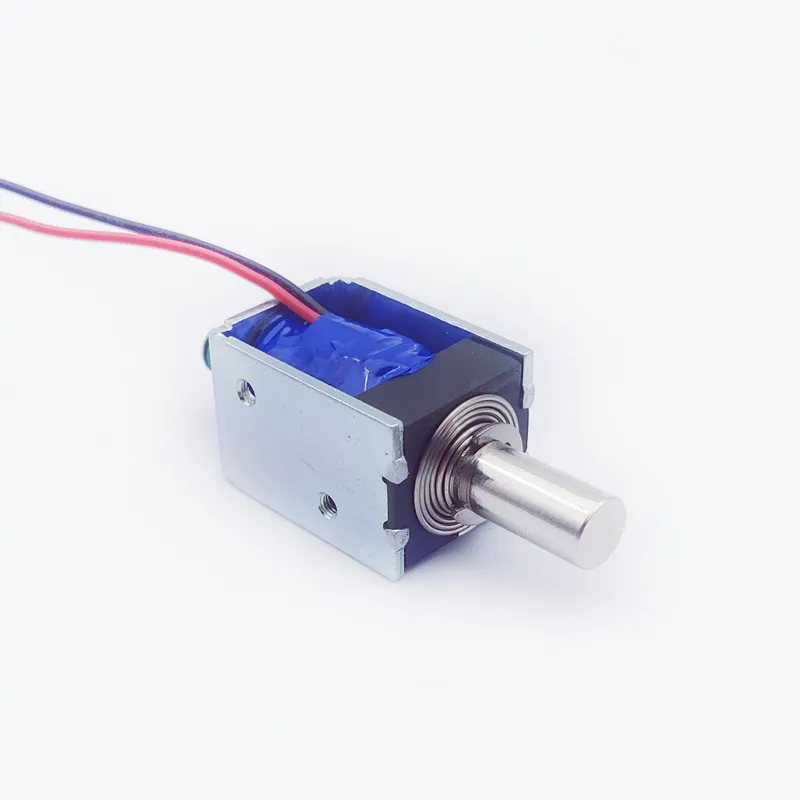
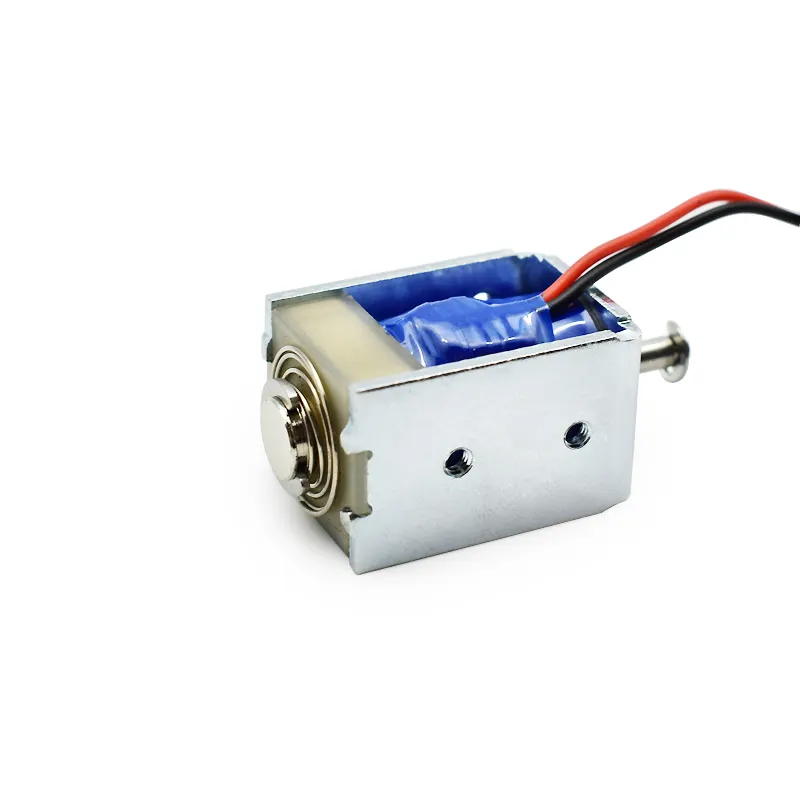
3. How Overvoltage Leads to Coil Burnout
When voltage exceeds the rated value:
Step-by-Step Failure Mechanism
- Increased current flows through the coil
- Copper losses (I²R) rise sharply
- Coil temperature increases
- Insulation degrades
- Short circuits occur
- Coil burns out
Engineering Reality
Burnout is not instantaneous—it is usually a cumulative thermal failure.
4. Acceptable Voltage Fluctuation Range for Solenoids
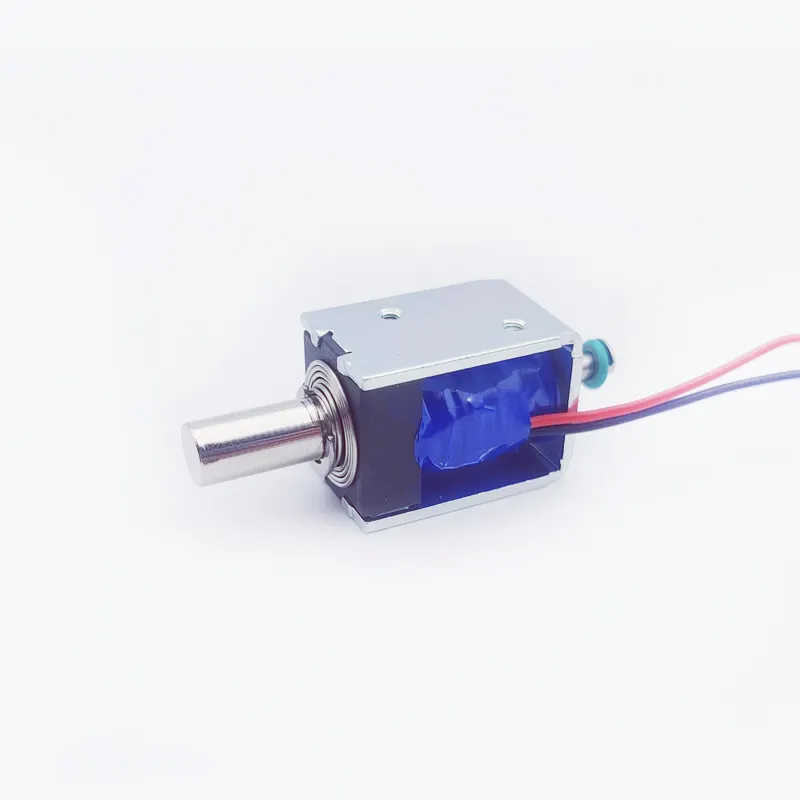
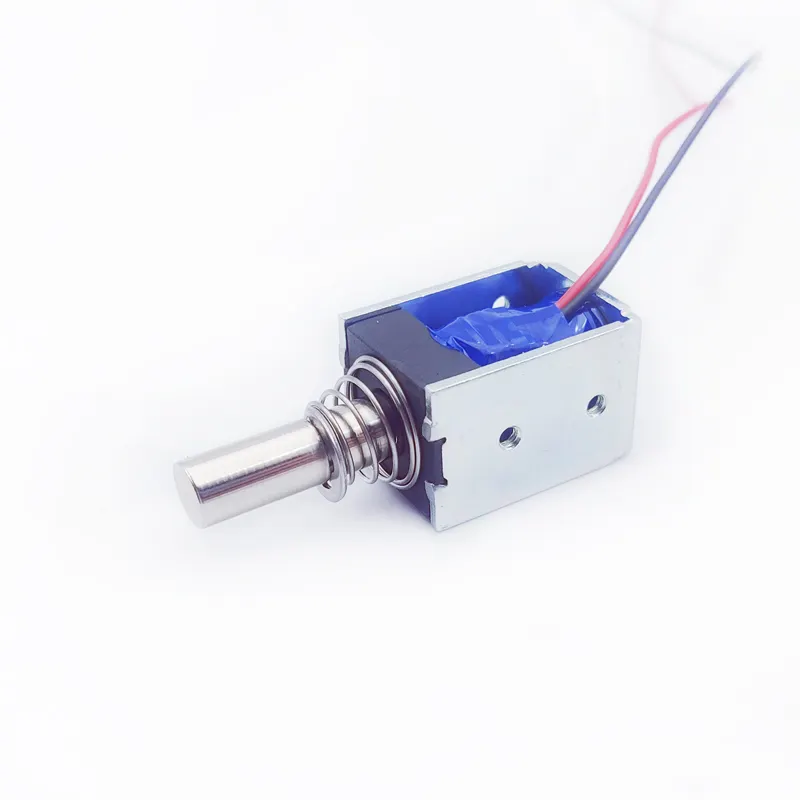
A well-designed electromagnet solenoid typically tolerates limited fluctuation.
Industry Guideline
| Voltage Range | Impact |
|---|---|
| ±5% | Safe operation |
| ±10% | Acceptable (short-term) |
| ±15% | Risk increases |
| >20% | High risk of burnout |
Important Note
Tolerance depends on:
- Coil design
- Duty cycle
- Cooling conditions
- Insulation class
A professional solenoid manufacturer must define safe limits for each design.
5. Duty Cycle and Its Impact on Voltage Tolerance
Duty cycle plays a critical role in thermal behavior.
Types of Operation
- Continuous duty
- Intermittent duty
- Pulse operation
Key Insight
A solenoid in intermittent duty can tolerate higher voltage peaks compared to continuous operation.
A reliable solenoid factory designs voltage tolerance based on real usage conditions.
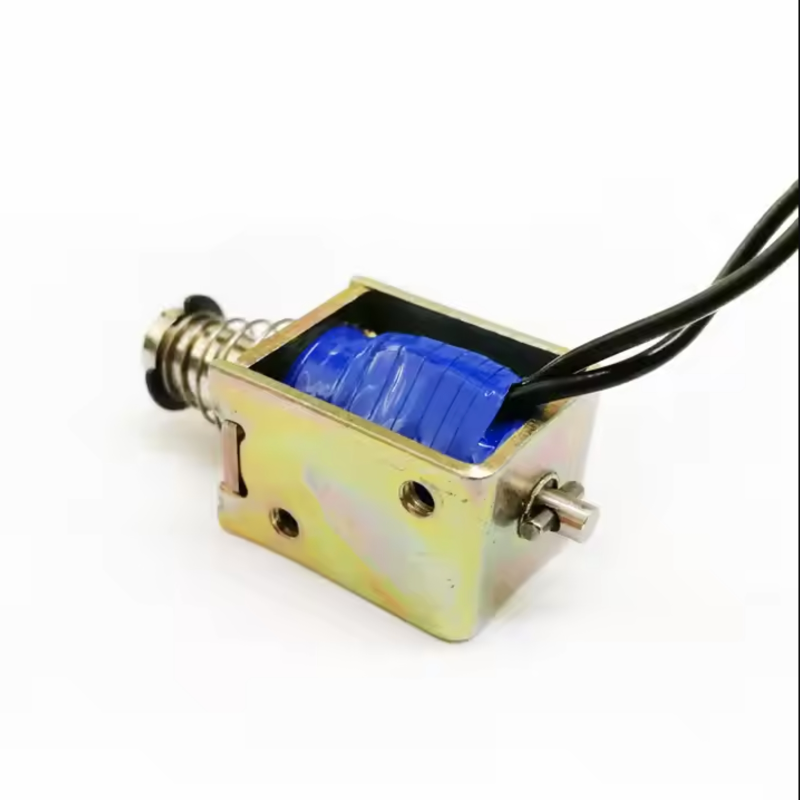
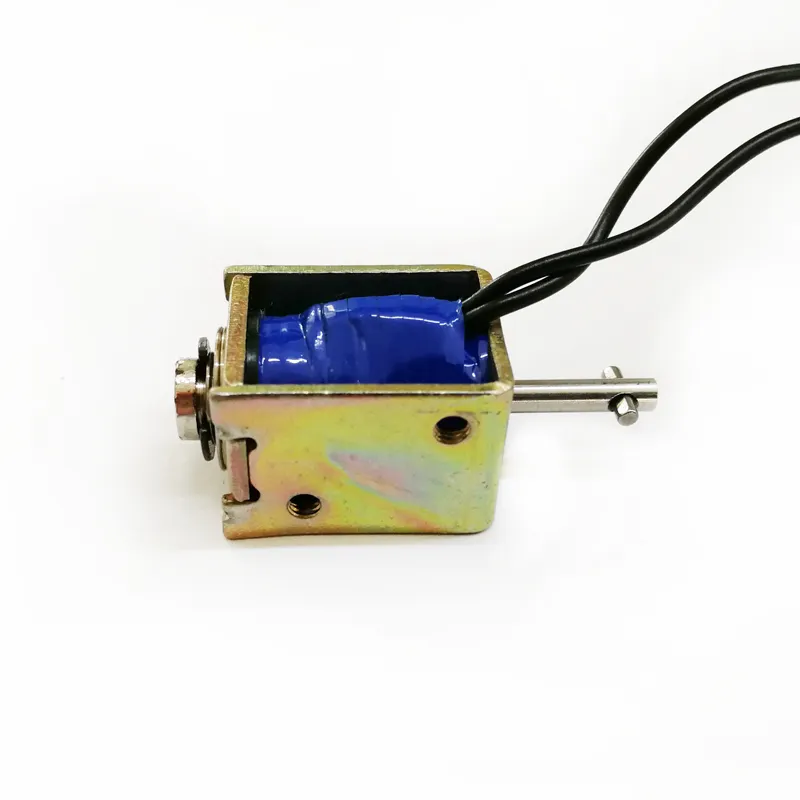
6. Insulation Class and Thermal Limits
The insulation system determines how much heat the coil can withstand.
Common Insulation Classes
| Class | Max Temperature |
|---|---|
| Class B | 130°C |
| Class F | 155°C |
| Class H | 180°C |
Higher insulation classes allow greater tolerance to voltage fluctuations.
A professional custom electromagnet design always matches insulation class to application conditions.

7. Environmental Factors Affecting Voltage Tolerance
External conditions significantly impact thermal performance.
Key Factors
- Ambient temperature
- Ventilation conditions
- Mounting structure
- Heat dissipation capability
Example
A solenoid operating at 25°C may tolerate +10% voltage, but at 80°C ambient, the same increase could cause failure.
8. Electrical Supply Stability and Hidden Risks
Voltage fluctuation often comes from the power supply.
Common Issues
- Unregulated power supplies
- Voltage spikes
- Poor wiring
- Load variations
Engineering Recommendation
Always ensure stable input voltage when using a custom electromagnet.
9. Design Strategies to Prevent Coil Burnout
A professional solenoid manufacturer applies multiple strategies.
Key Solutions
1. Coil Resistance Optimization
Reduces current under voltage variation
2. High-Temperature Insulation
Improves thermal tolerance
3. Magnetic Efficiency Optimization
Reduces required current
4. Thermal Path Design
Improves heat dissipation
5. Safety Margin Design
Allows tolerance for real-world conditions

10. Smart Driving Methods for Voltage Control
Modern electronics can prevent overvoltage damage.
Techniques
- PWM control
- Peak-and-hold circuits
- Voltage regulators
- Current limiting drivers
These methods reduce average power consumption and heat.
11. Real Custom Case: Overvoltage Failure in Smart Lock Solenoid
Problem
A customer experienced coil burnout after several weeks.
Root Cause
- Actual voltage: 14V
- Rated voltage: 12V
SF Solution
As an experienced solenoid manufacturer, SF:
- Redesigned coil resistance
- Recommended PWM control
- Improved insulation class
Result
- No burnout issues
- Extended product life
- Reduced power consumption
12. Real Custom Case: Industrial Equipment Solenoid Upgrade
Challenge
- High voltage fluctuation
- Continuous operation
SF Approach
- High-temperature coil design
- Improved thermal dissipation
- Voltage tolerance optimization
Outcome
Stable operation under harsh conditions.
13. How to Choose the Right Custom Electromagnet
Key Considerations
| Factor | Importance |
|---|---|
| Rated voltage | Critical |
| Duty cycle | Affects heat |
| Environment | Influences cooling |
| Force requirement | Determines power |
Recommendation
Always consult a professional solenoid factory during design.
14. How to Choose the Right Solenoid Manufacturer
Not all suppliers can handle voltage-related failures.
Evaluation Criteria
- Engineering capability
- Thermal design expertise
- Testing capability
- Customization experience
- Quality control systems
A reliable solenoid manufacturer ensures long-term performance.
15. Why SF Is a Trusted Solenoid Manufacturer
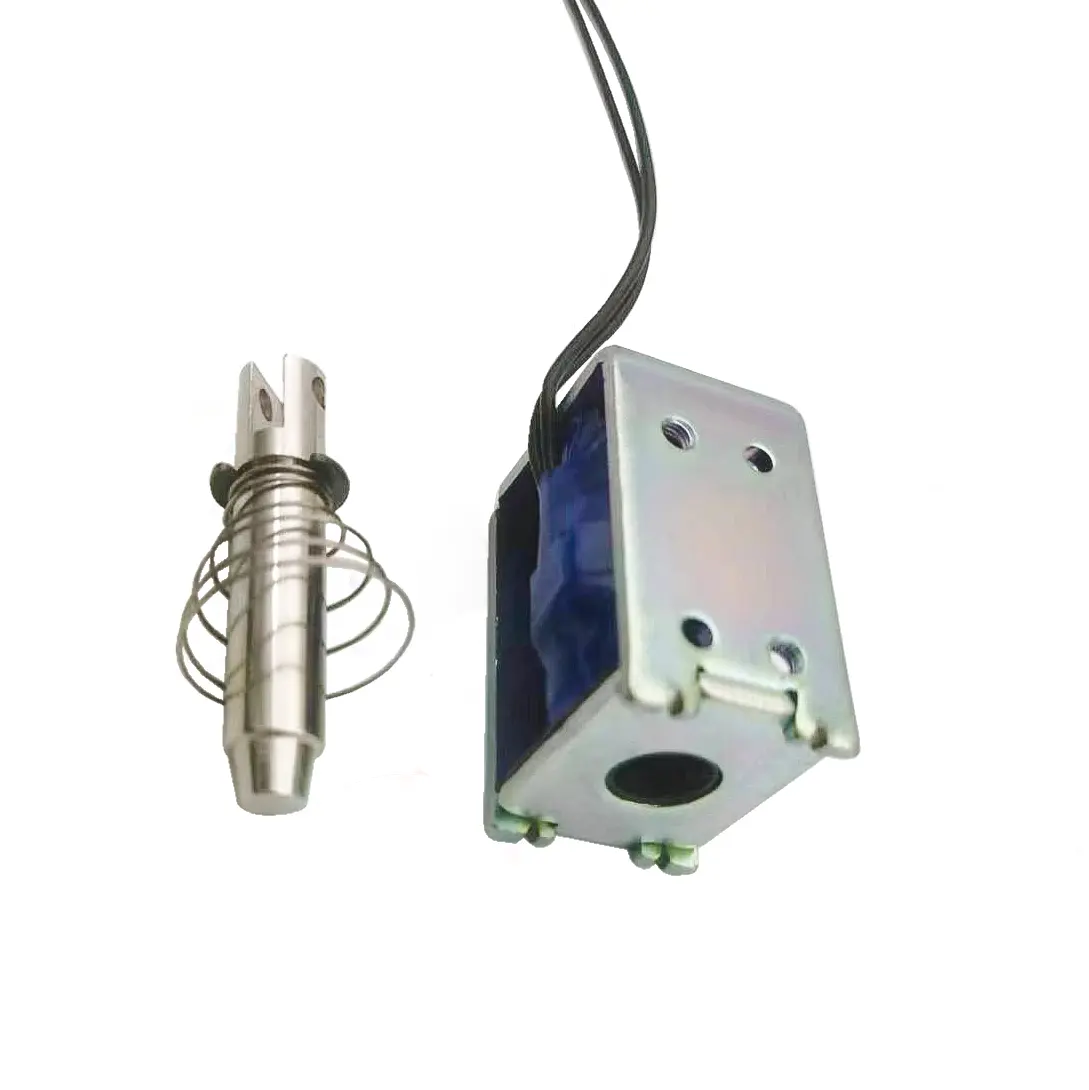
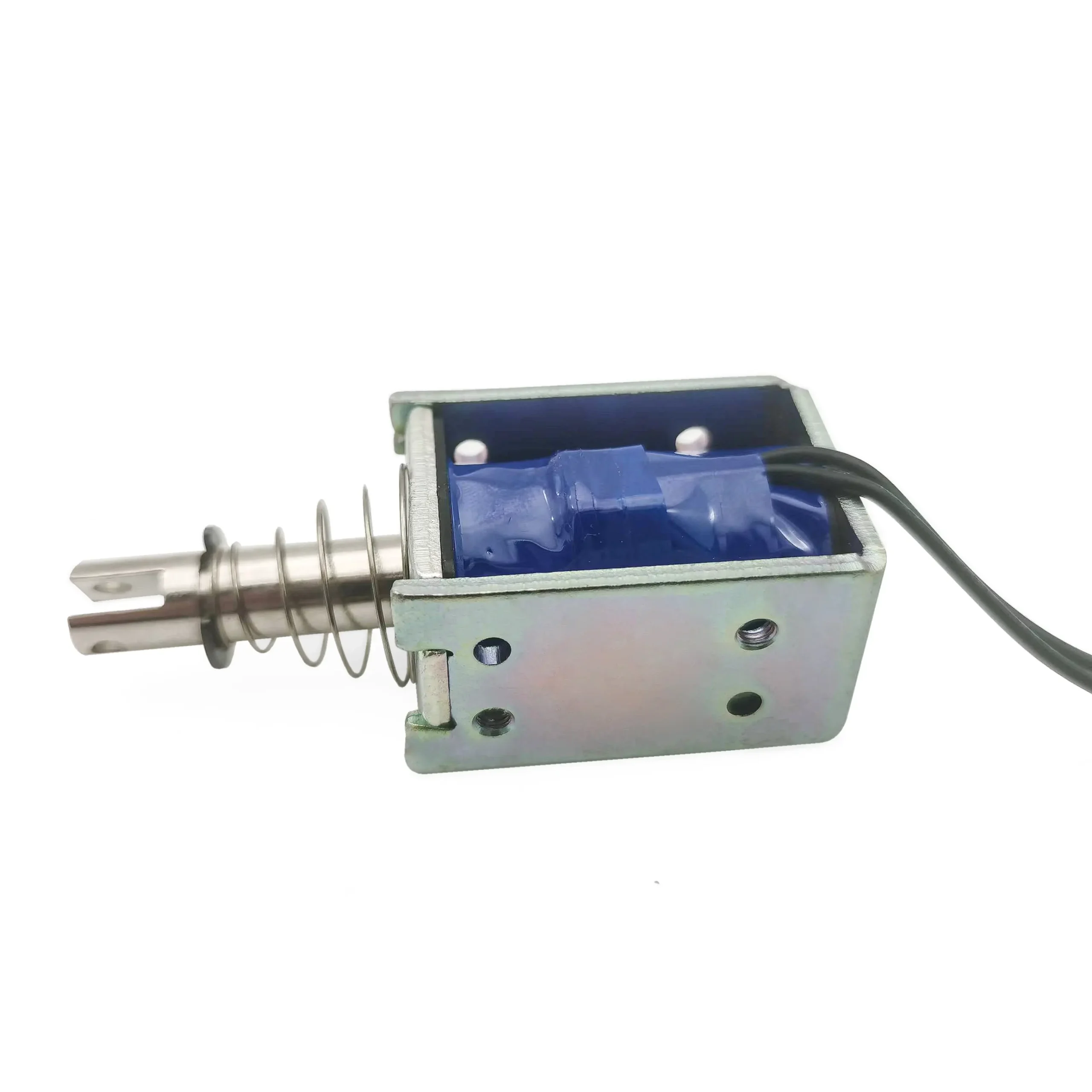
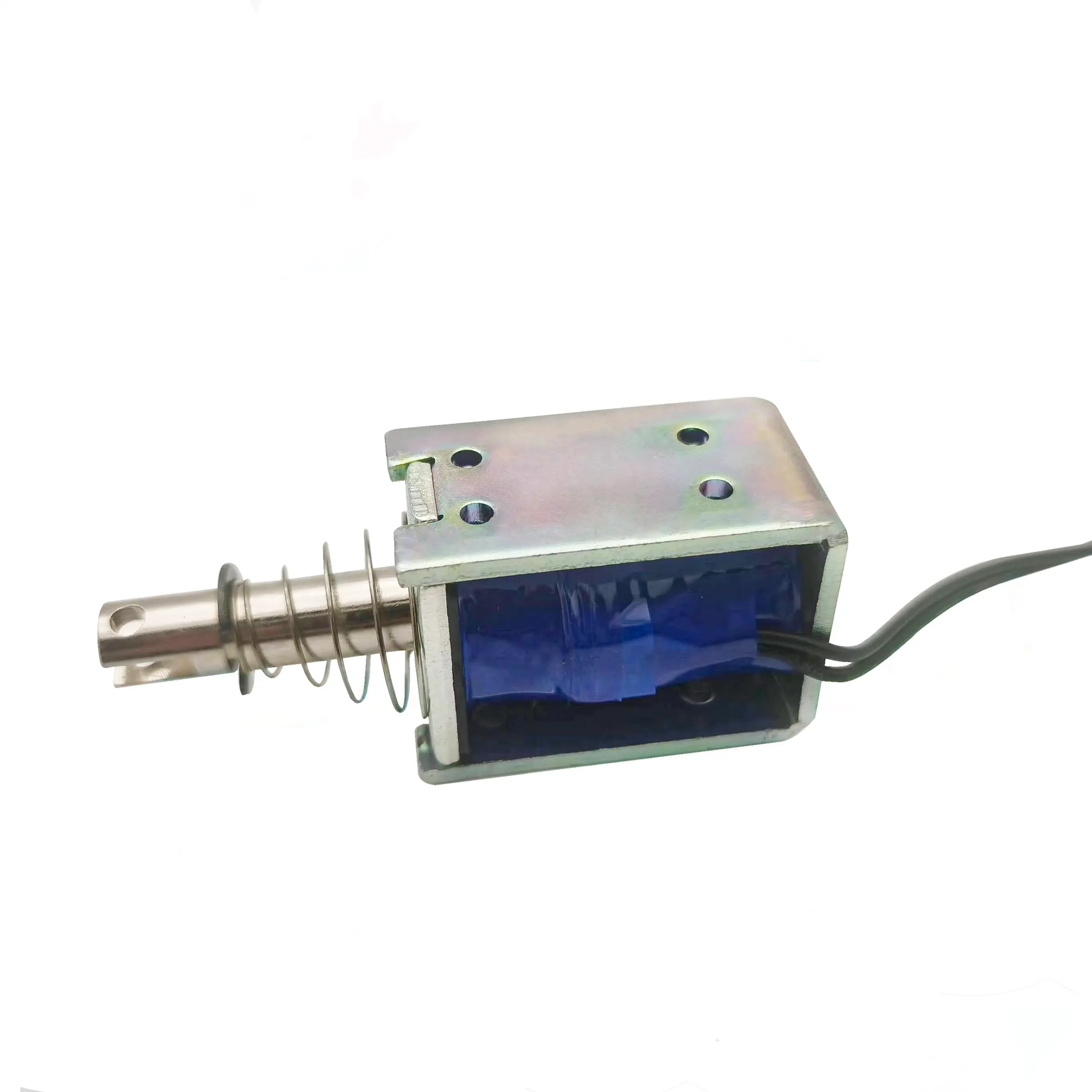
SF is a professional custom electromagnet manufacturer with:
- 10+ years of experience
- Experienced engineering team
- 6000㎡ factory
- Export to 60+ countries
- Extensive OEM customization experience
SF Advantages
- Advanced electromagnetic simulation
- Strong thermal design capability
- Reliable production capacity
- Strict quality control
SF specializes in preventing issues like coil burnout caused by voltage fluctuation.
16. Future Trends in Voltage Management for Solenoids
The industry is moving toward:
- Smart drivers with feedback control
- Integrated thermal monitoring
- Energy-efficient designs
- High-performance insulation materials
A forward-looking solenoid manufacturer must adopt these technologies.
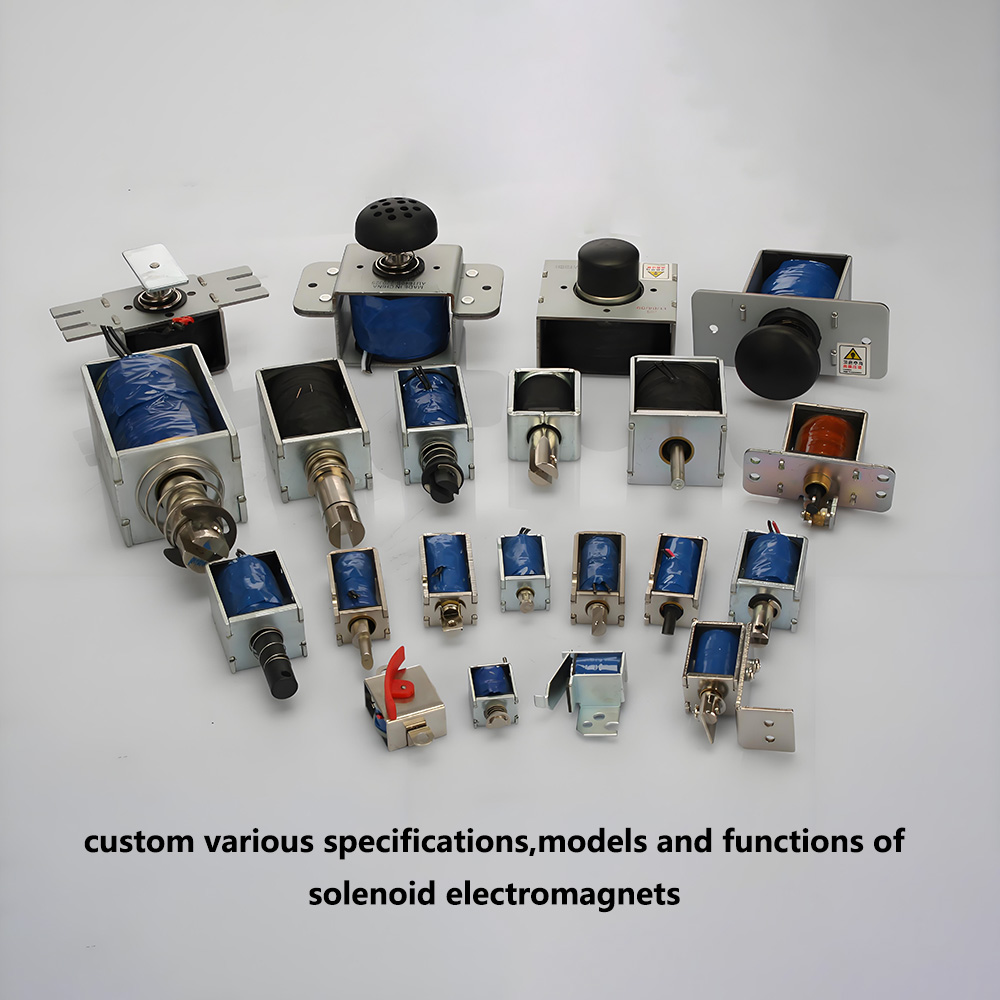
Managing Voltage Is Key to Solenoid Reliability
Voltage fluctuation is one of the most critical factors affecting the lifespan of a custom electromagnet.
Key Takeaways
- Small voltage increases cause large heat increases
- Overvoltage leads to insulation failure and burnout
- Proper design and control can prevent failures
- Working with a professional solenoid factory is essential
With over 10 years of experience, SF provides reliable, high-performance solutions as a trusted solenoid manufacturer, helping customers avoid coil burnout and achieve long-term stability.
Custom all kinds of electromagnet, contact SF electromagnet factory whatsapp +86 189 0261 1680