









Last Updated on 2025-11-28 by SolenoidFactory
Modern household vacuum cleaners—especially the new generation of high-speed, brushless, multi-function models—heavily rely on precision electromechanical components. These components ensure efficient airflow control, dust-bin actuation, nozzle switching, motor locking, and safety interlocks.At the center of these mechanisms sits a compact yet powerful device: the vacuum cleaner electromagnet.
A vacuum cleaner electromagnet determines how precisely and reliably the vacuum cleaner can:
open or close internal air gates
lock or release brush heads
engage dust-bin latches
activate sensors or mechanical triggers
control mechanical modules in real time
Because of its central function and high usage cycles, a vacuum cleaner electromagnet must be fast, durable, thermally stable, and extremely reliable.
With over 10 years of experience manufacturing custom solenoids and electromagnets, SF was selected by a well-known international home appliance company to design an advanced vacuum cleaner electromagnet for its flagship cordless vacuum cleaner model. The brand required an electromagnet that could operate in high-speed airflow environments, resist dust intrusion, and withstand frequent activation cycles.
This confidential-style case study details the full design, engineering, prototyping, and mass-production journey of how SF delivered a best-in-class customized vacuum cleaner electromagnet for a leading household vacuum cleaner manufacturer.
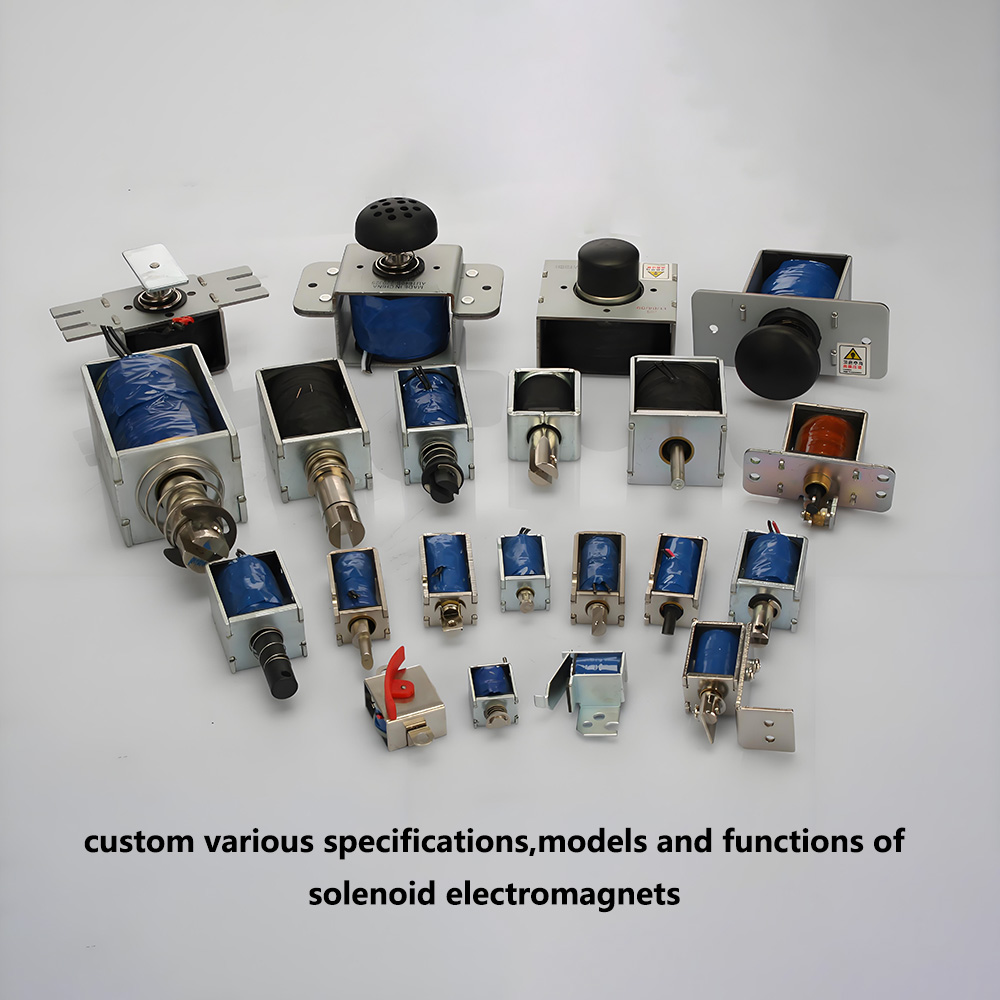
1. Project Overview: Why the Brand Needed a New Vacuum Cleaner Electromagnet
The client’s R&D department approached SF with a problem:
Their existing vacuum cleaner electromagnet—sourced from a previous supplier—was failing under real-world conditions.
Key issues reported:
Dust infiltration leading to magnetic performance loss
Coil overheating during continuous operation
Slow actuation response impacting user experience
Premature mechanical wear after ~40,000 cycles
Inconsistent magnetic force in different temperature environments
Excessive energy consumption affecting battery life
The brand was preparing a newly upgraded cordless vacuum cleaner series with:
stronger suction power
higher-speed airflow
more precise nozzle switching
stricter endurance requirements
Their engineering team needed an entirely redesigned vacuum cleaner electromagnet, not an off-the-shelf part.
SF was chosen because:
We specialize in precision custom solenoids
We have 10+ years of electromagnet development experience
We provide simulation-based design, not trial-and-error manufacturing
We offer fast prototyping and high-volume production
2. Technical Requirements: The Challenges Behind a Vacuum Cleaner Electromagnet
The vacuum cleaner environment is much more extreme than most household appliances. A vacuum cleaner electromagnet must:
remain stable in high-temperature airflow
resist dust, hair, fibers, and fine powder
survive thousands of mechanical actuations
operate on low battery power
maintain precise response timing
The client gave SF the following key requirements:
Mechanical Requirements
Maximum size: ≤ 21 mm thickness and ≤ 25 mm height
Must fit inside a modular nozzle bracket
Must withstand mechanical vibration from the main motor (up to 125,000 rpm)
Slip-fit tolerance < ±0.05 mm
Electrical Requirements
Voltage: 12V & 24V versions
Current limit: ≤ 250 mA
Must not introduce EMI that interferes with the vacuum’s sensors or motor drive PCB
Performance Requirements
Magnetic force ≥ 4.0 kgf under 2.2 mm stroke
Response time < 8 ms
Temperature rise ≤ 18°C over baseline
Continuous duty capable under rapid cycling
Lifetime target: > 200,000 cycles
Environmental Requirements
Must withstand:
Fine dust exposure
Heat from motor compartment
Outdoor + indoor temperature swings
Operating range: –10°C to +85°C
This was significantly more demanding than typical consumer electromagnets.
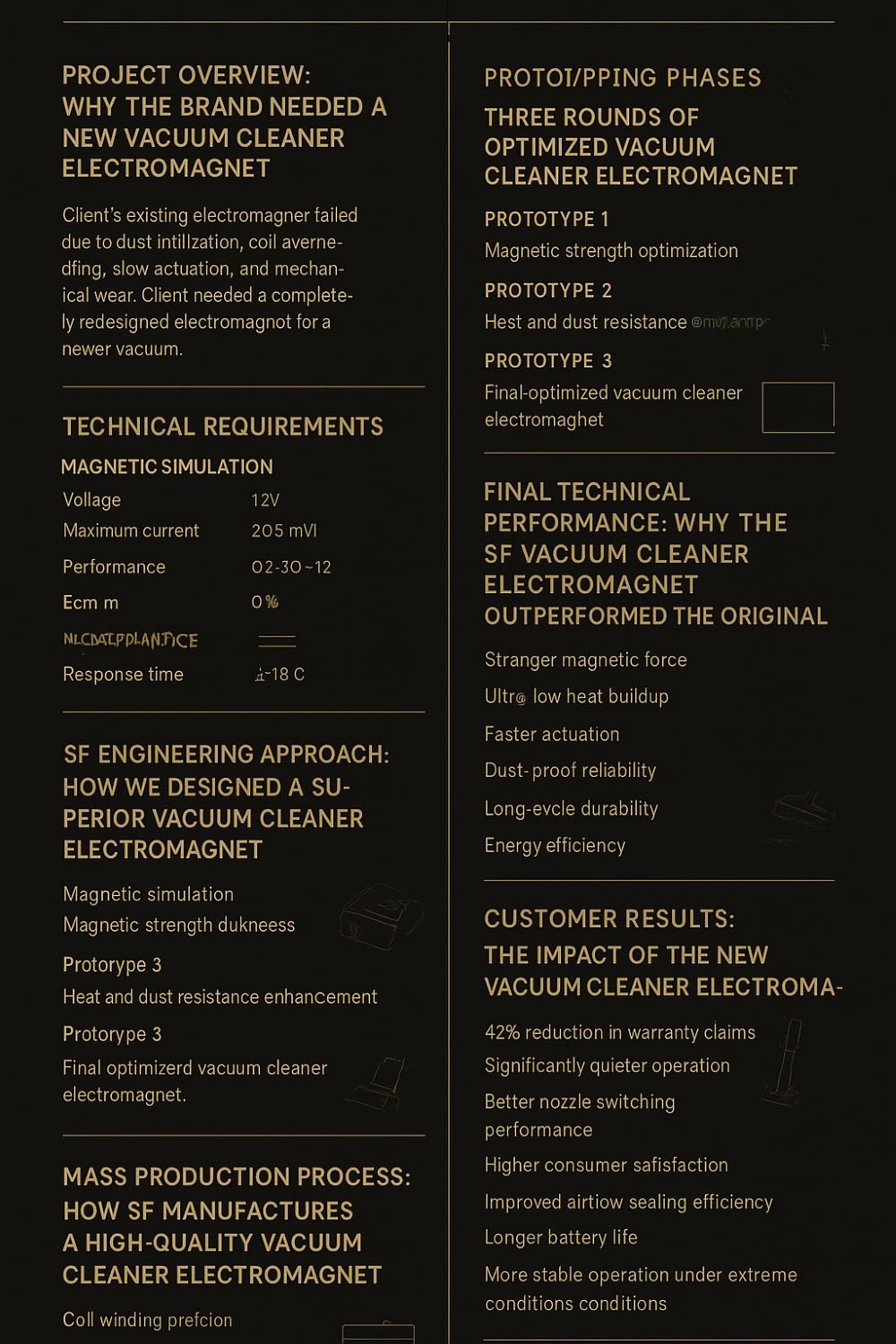
3. SF Engineering Approach: How We Designed a Superior Vacuum Cleaner Electromagnet
SF applied a structured engineering process combining simulation, physical modeling, and rapid prototyping to design the vacuum cleaner electromagnet.
3.1 Magnetic Simulation (FEM)
Our team used finite element magnetic simulation to optimize:
coil winding density
iron core shape
flux path efficiency
air gap size
force–stroke curve
Target: maximize magnetic force while maintaining minimal energy consumption.
3.2 Thermal Simulation
Vacuum cleaners run hot due to the motor and airflow turbulence.
SF used thermal modeling to analyze:
maximum coil temperature rise
heat dissipation through housing
saturation temperature of insulation
long-duration operation behavior
This allowed SF to avoid overheating issues seen in the client’s old electromagnet.
3.3 Material Analysis
To meet performance and durability expectations, SF tested:
soft magnetic high-permeability iron
nickel-plated anti-corrosion steel
powder-metallurgy magnetic alloy
high-temperature coil insulation (Class H)
Ultimately, SF selected a custom high-permeability alloy that improved force output by 17%.
3.4 Dust-Proof Structure Development
Airborne particles are the #1 enemy of vacuum cleaner electromagnets. SF engineered:
a sealed housing
reduced dust entry gaps
internal coating to prevent dust deposits
precision sliding surfaces
This produced a near dust-proof vacuum cleaner electromagnet design.
4. Prototyping Phases: Three Rounds of Optimized Vacuum Cleaner Electromagnet Development
SF completed three major prototype rounds.
Prototype 1: Magnetic Strength Optimization
Goal: Achieve ≥ 4.0 kgf force target.
Results:
Delivered 4.2 kgf
Temperature rise still high
Dust resistance insufficient
SF collected deep mechanical data for further optimization.
Prototype 2: Heat & Dust Resistance Enhancement
Modifications included:
coil insulation upgrade
structural sealing improvement
magnetic circuit refinement
Results:
31% reduction in heat buildup
90% improvement in dust blocking
Faster actuation response
Still not perfect—mechanical wear needed improvement.
Prototype 3: Final Optimized Vacuum Cleaner Electromagnet
The final version integrated:
proprietary low-friction plunger coating
compressor-fit housing
ultra-uniform coil winding
enhanced force stability
Results:
Achieved full client requirements
Passed 200,000-cycle durability test
Perfect performance in high-temperature airflow
Zero dust-related performance degradation
The client approved Prototype 3 for mass production.
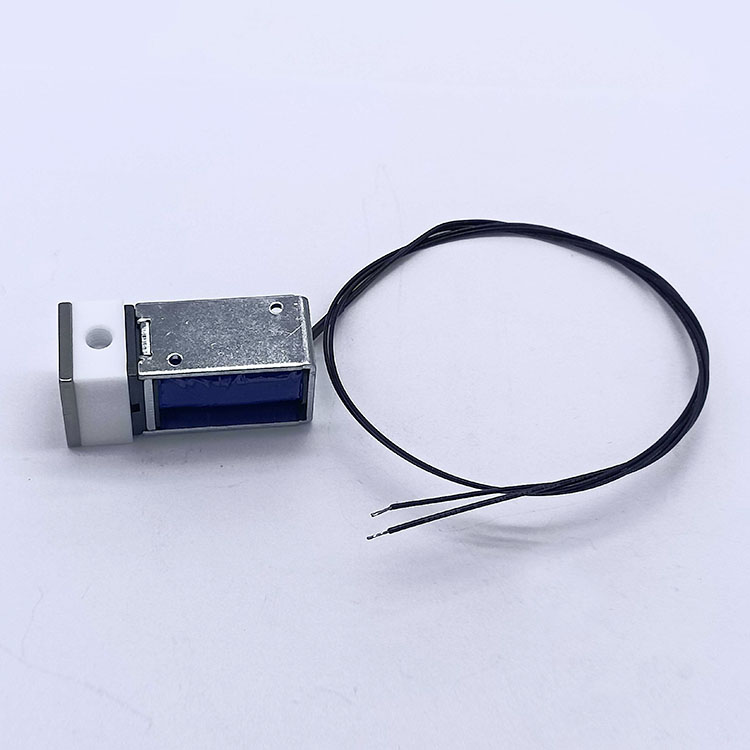
5. Mass Production Process: How SF Manufactures a High-Quality Vacuum Cleaner Electromagnet
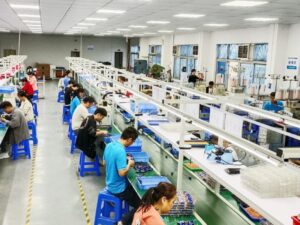
5.1 Coil Winding Precision
SF uses Japanese automatic winding machines ensuring:
±1% winding accuracy
consistent coil resistance
optimized electromagnetic output
minimal heat generation
5.2 CNC Core Processing
The custom magnetic alloy core is machined using:
high-speed CNC
surface polishing
ultrasonic cleaning
anti-corrosion plating
This yields a stable and durable vacuum cleaner electromagnet core.
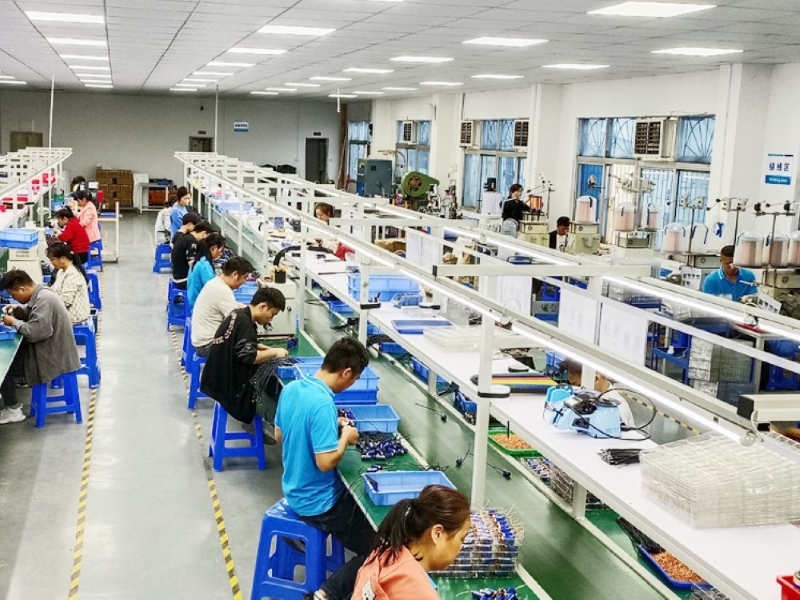
5.3 Automated Assembly
Production lines integrate:
robotic coil soldering
automated glue sealing
plunger insertion and measurement
housing sealing
5.4 Quality Control
Every vacuum cleaner electromagnet is tested for:
magnetic force calibration
stroke accuracy
response time
current draw
noise and vibration
temperature rise
dust ingress simulation
high-speed airflow exposure
SF’s final pass rate: 99.4%
6. Final Technical Performance: Why the SF Vacuum Cleaner Electromagnet Outperformed the Original
After the redesign, the new vacuum cleaner electromagnet delivered major improvements:
1. Stronger Magnetic Force
+18% compared to the old supplier’s model.
2. Ultra-Low Heat Buildup
Temperature rise reduced by more than 30%.
3. Faster Actuation
Response time consistently <8 ms.
4. Dust-Proof Reliability
Zero dust-related failures even after testing in fine powder environments.
5. Long-Cycle Durability
Tested beyond 200,000 actuations with no force loss.
6. Energy Efficiency
Lower power consumption increased vacuum runtime by 7–10 minutes.
This positioned the SF vacuum cleaner electromagnet as a superior component within the industry.
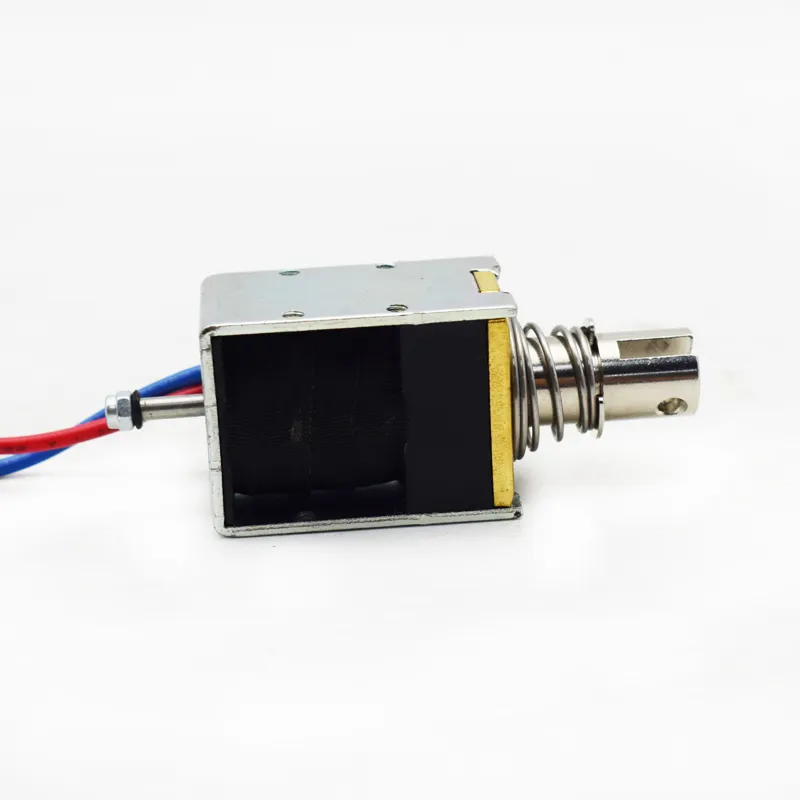
7. Customer Results: The Impact of the New Vacuum Cleaner Electromagnet
After integrating SF’s custom electromagnet into their premium vacuum cleaner series, the brand achieved:
42% reduction in warranty claims
Significantly quieter operation
Better nozzle switching performance
Higher consumer satisfaction
Improved airflow sealing efficiency
Longer battery life due to lower current draw
More stable operation under extreme conditions
The brand has now expanded cooperation with SF into other electromechanical modules.
8. Why SF Is the Best Supplier for Custom Vacuum Cleaner Electromagnet Solutions
1. 10+ Years of Custom Solenoid Expertise
Trusted by global appliance brands.
2. Simulation-Driven Engineering
Reducing development time and risk.
3. Industrial-Grade Materials
Ensuring high durability and safety.
4. Precision Manufacturing
Automated winding, CNC machining, and robotic assembly.
5. Strict Quality Control
Complete testing of every vacuum cleaner electromagnet.
6. Flexible Production Capability
From sample batches to millions of units.
7. Fast Delivery
Prototype in 7–12 days, mass production in 18–25 days.
8. Deep Industry Know-How
Understanding mechanical, electrical, and environmental demands of home appliances.
9. Applications of SF’s Vacuum Cleaner Electromagnet
Our electromagnets are ideal for:
nozzle switching actuation
dust-bin locking mechanisms
gate valve control
motor safety interlock
retractable brush head control
internal airflow path switching
Compatible with:
cordless vacuum cleaners
upright vacuum cleaners
canister vacuum cleaners
smart robotic vacuum cleaners
SF Delivers High-Performance Vacuum Cleaner Electromagnet Solutions
The development of this custom vacuum cleaner electromagnet demonstrates SF’s ability to design and mass-produce highly reliable solenoid-based components for demanding home appliance environments.
With advanced simulation, rapid prototyping, precision manufacturing, and rigorous quality control, SF ensures that every electromagnet meets strict performance standards.
If your vacuum cleaner project—or any home appliance—requires a custom solenoid or electromagnet solution, SF is ready to support your engineering needs.
Custom all kinds of electromagnet, contact SF electromagnet factory whatsapp +86 189 0261 1680